
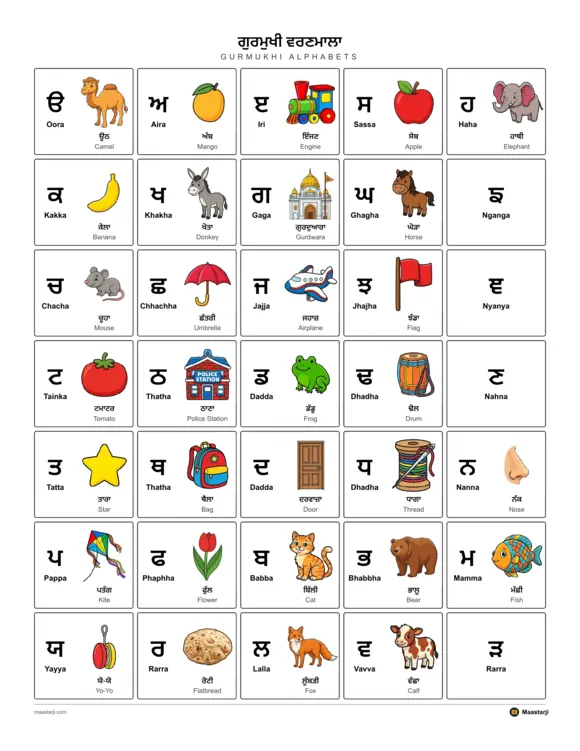
All 35 Gurmukhi Letters
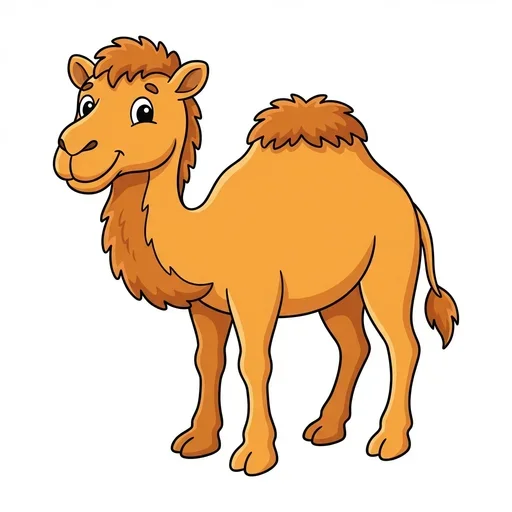
Letter 1
Oora
ਊਠ — Camel
 ਅ
ਅ Letter 2
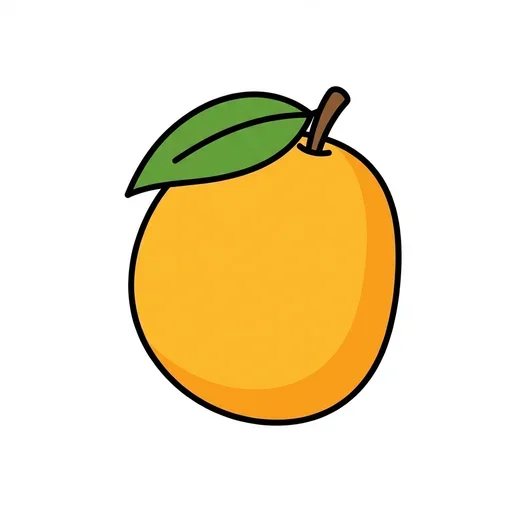
Aira
ਅੰਬ — Mango
 ੲ
ੲ Letter 3
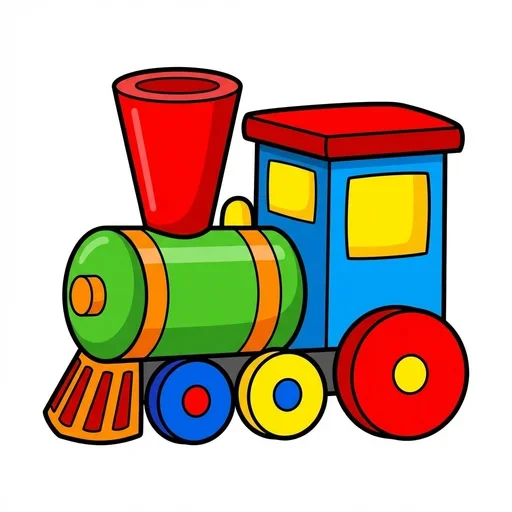
Iri
ਇੰਜਣ — Engine
 ਸ
ਸ Letter 4
Sassa
ਸੇਬ — Apple
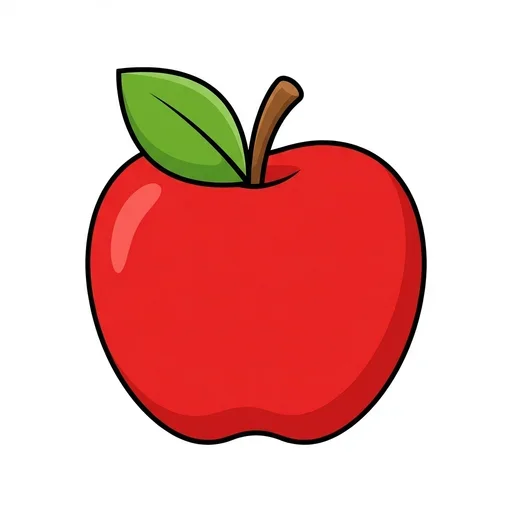 ਹ
ਹ Letter 5
Haha
ਹਾਥੀ — Elephant
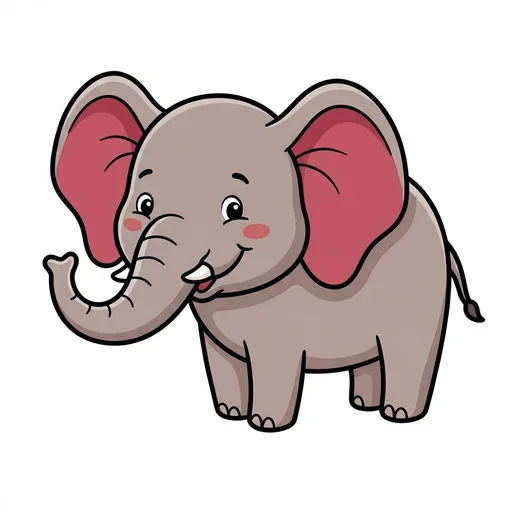 ਕ
ਕ Letter 6
Kakka
ਕੇਲਾ — Banana
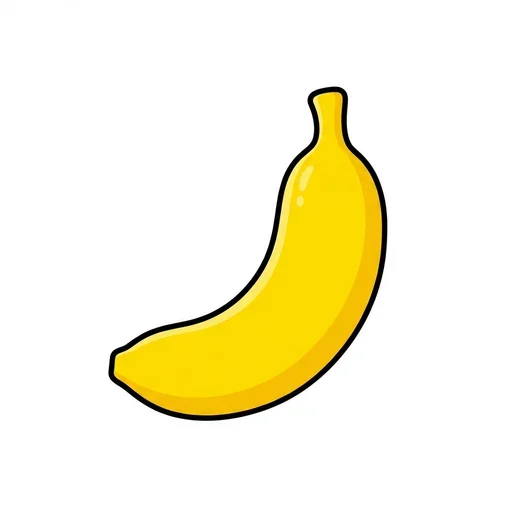 ਖ
ਖ Letter 7
Khakha
ਖੋਤਾ — Donkey
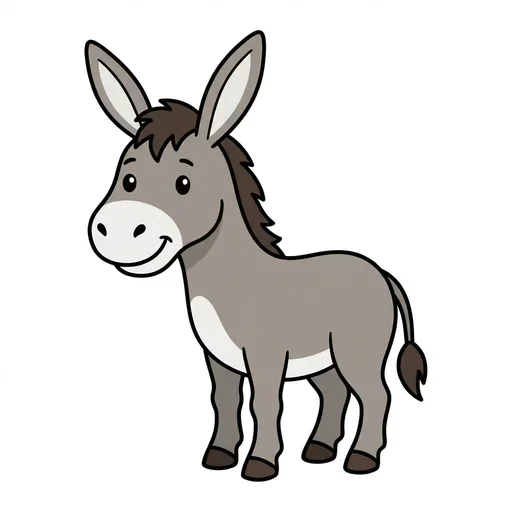 ਗ
ਗ Letter 8
Gaga
ਗੁਰਦੁਆਰਾ — Gurdwara
 ਘ
ਘ Letter 9
Ghagha
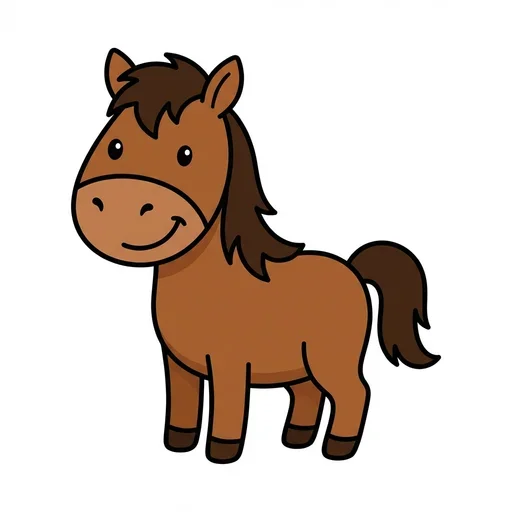
ਘੋੜਾ — Horse
 ਙ
ਙ Letter 10
Nganga
Letter 11
Chacha
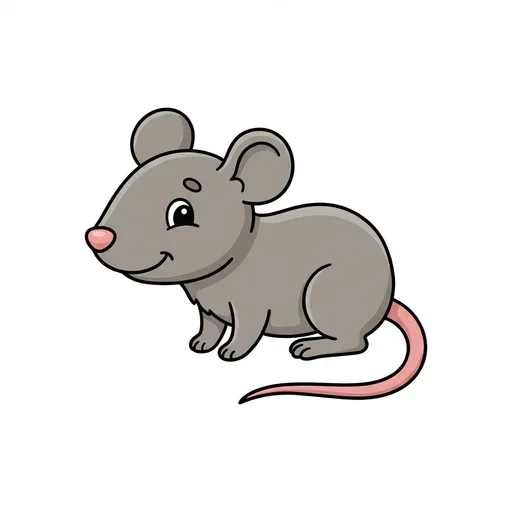
ਚੂਹਾ — Mouse
 ਛ
ਛ Letter 12
Chhachha
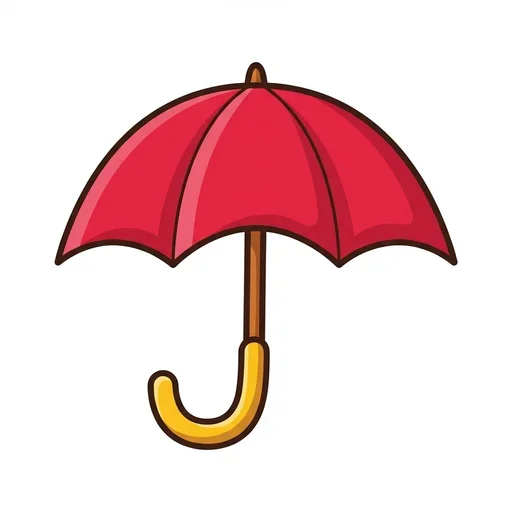
ਛੱਤਰੀ — Umbrella
 ਜ
ਜ Letter 13
Jajja
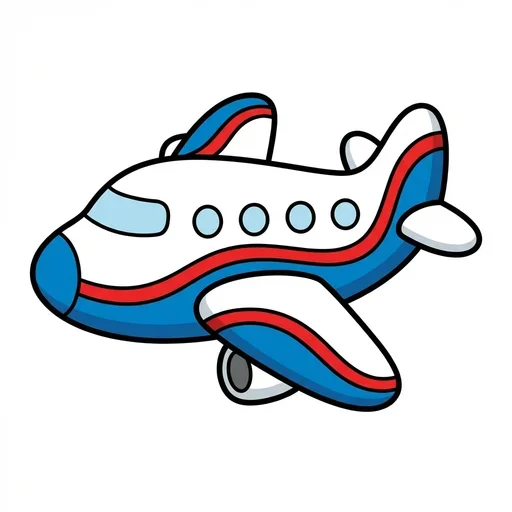
ਜਹਾਜ਼ — Airplane
 ਝ
ਝ Letter 14
Jhajha
ਝੰਡਾ — Flag
 ਞ
ਞ Letter 15
Nyanya
Letter 16
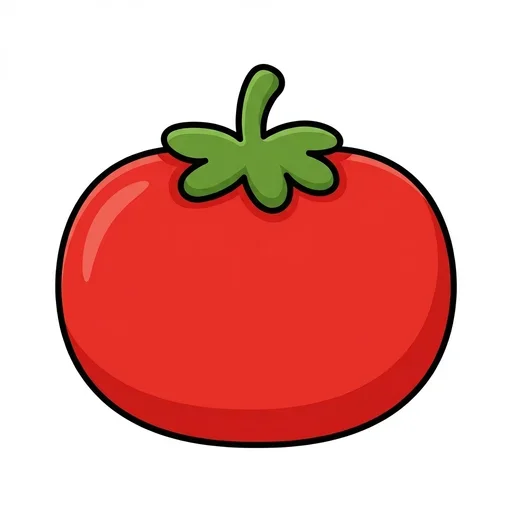
Tainka
ਟਮਾਟਰ — Tomato
 ਠ
ਠ Letter 17
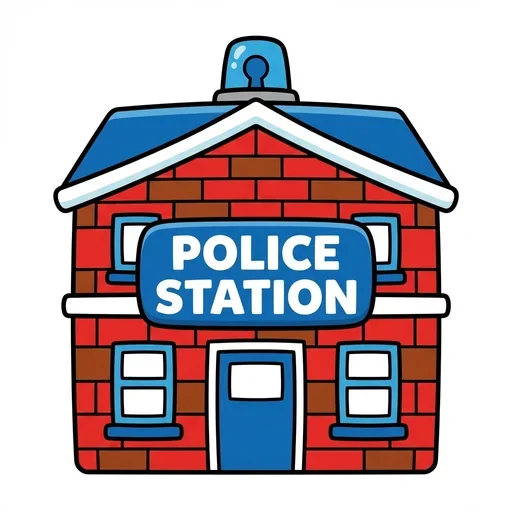
Thatha
ਠਾਣਾ — Police Station
 ਡ
ਡ Letter 18
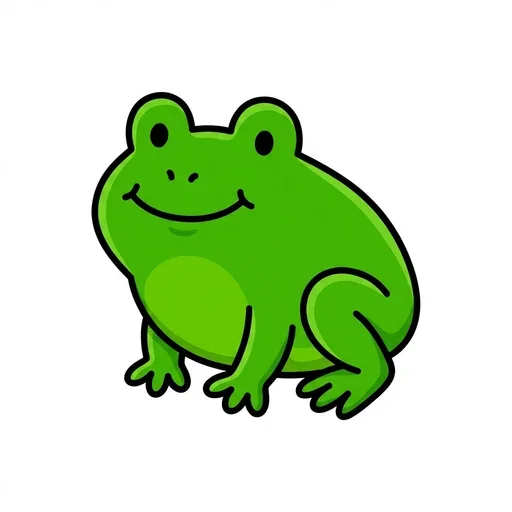
Dadda
ਡੱਡੂ — Frog
 ਢ
ਢ Letter 19
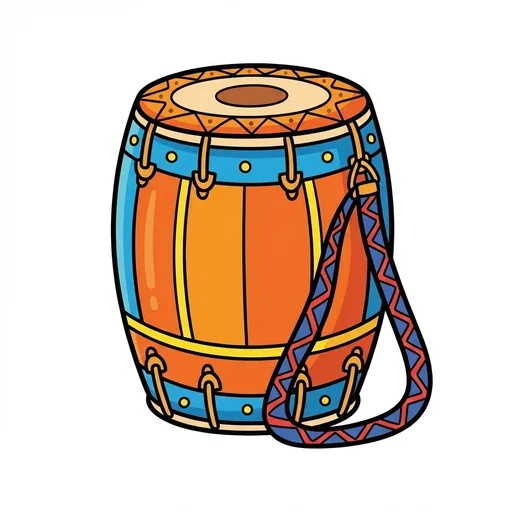
Dhadha
ਢੋਲ — Drum
 ਣ
ਣ Letter 20
Nahna
Letter 21
Tatta
ਤਾਰਾ — Star
 ਥ
ਥ Letter 22
Thatha
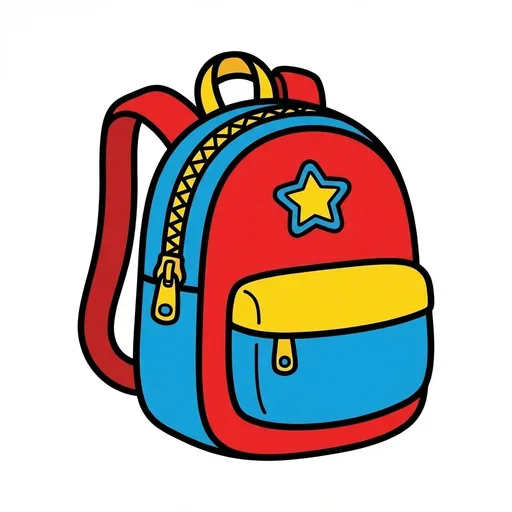
ਥੈਲਾ — Bag
 ਦ
ਦ Letter 23
Dadda
ਦਰਵਾਜ਼ਾ — Door
 ਧ
ਧ Letter 24
Dhadha
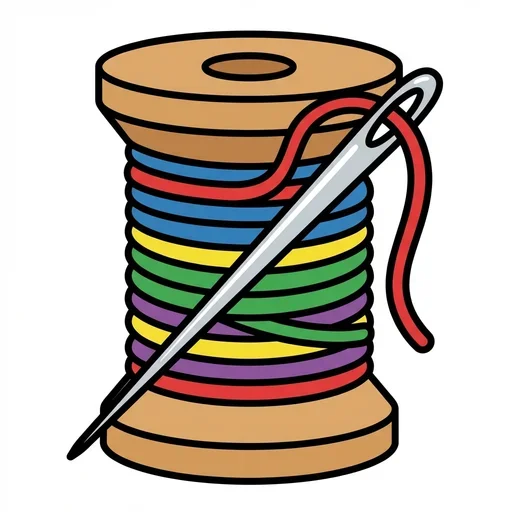
ਧਾਗਾ — Thread
 ਨ
ਨ Letter 25
Nanna
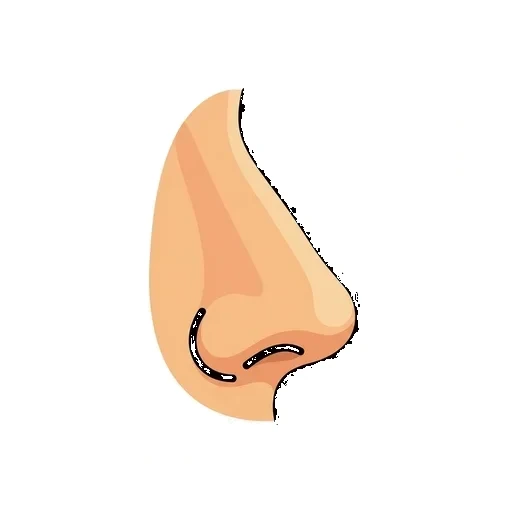
ਨੱਕ — Nose
 ਪ
ਪ Letter 26
Pappa
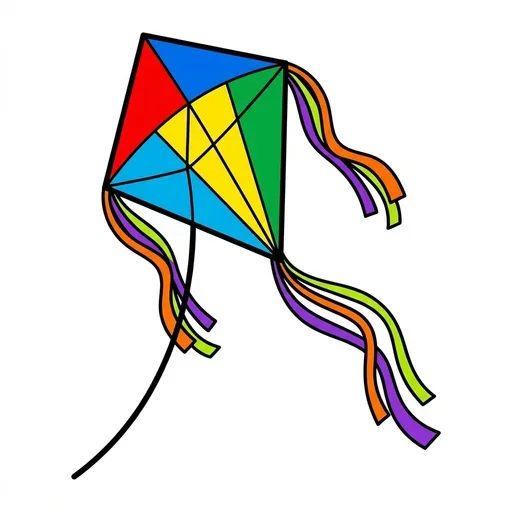
ਪਤੰਗ — Kite
 ਫ
ਫ Letter 27
Phaphha
ਫੁੱਲ — Flower
 ਬ
ਬ Letter 28
Babba
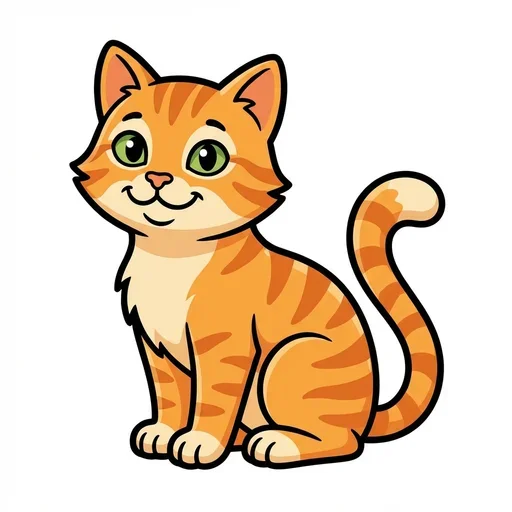
ਬਿੱਲੀ — Cat
 ਭ
ਭ Letter 29
Bhabbha
ਭਾਲੂ — Bear
 ਮ
ਮ Letter 30
Mamma
ਮੱਛੀ — Fish
 ਯ
ਯ Letter 31
Yayya
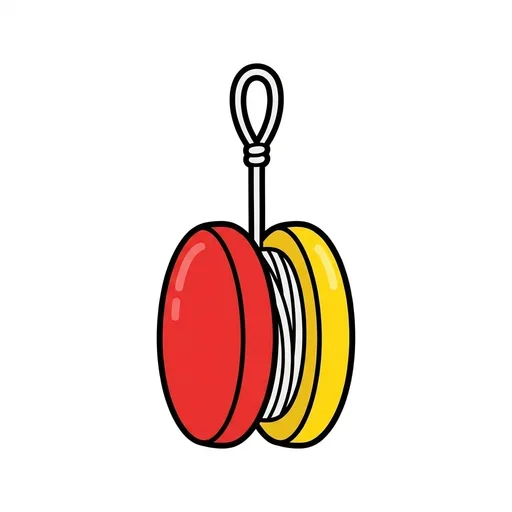
ਯੋ-ਯੋ — Yo-Yo
 ਰ
ਰ Letter 32
Rarra
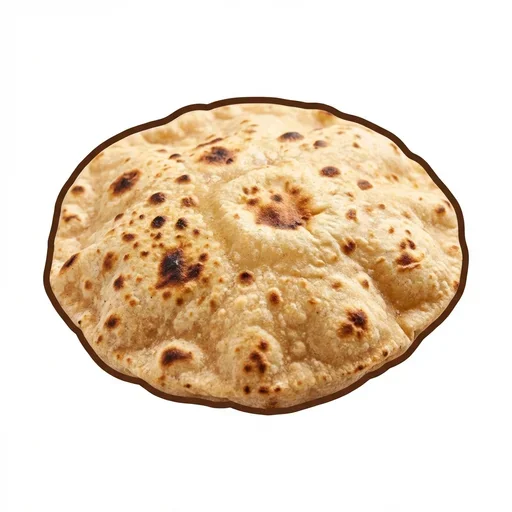
ਰੋਟੀ — Flatbread
 ਲ
ਲ Letter 33
Lalla
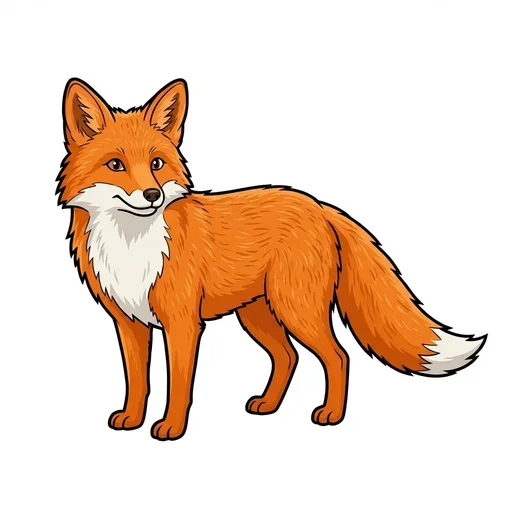
ਲੂੰਬੜੀ — Fox
 ਵ
ਵ Letter 34
Vavva
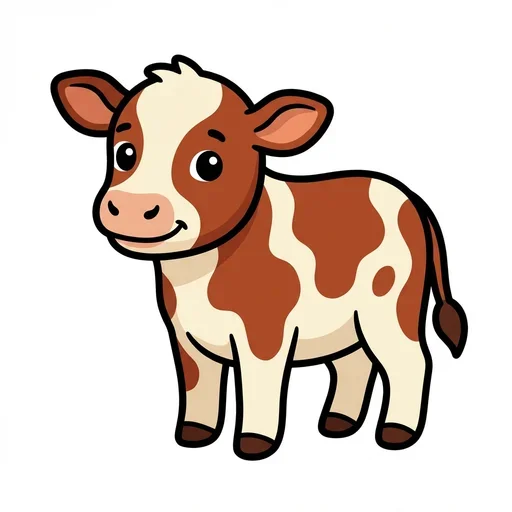
ਵੱਛਾ — Calf
 ੜ
ੜ Letter 35
Rarra
Tap any letter for the full lesson — pronunciation, example word, the letter with each vowel mark, and a printable tracing worksheet.
Pairin Bindi Letters
Five extra sounds Punjabi borrowed from other languages — each is a base letter with a ਪੈਰ ਬਿੰਦੀ (a dot below). Tap one to print its free coloring sheet.
Do you read Hindi?
Most of these letters map almost exactly onto Devanagari — and the six pair-bindi letters above use the very same dot convention Hindi does. See all 41 letters matched to Devanagari, including the five that look identical but are pronounced differently in Punjabi.
The Teaching Guide — 12 Chapters
Chapter 1 — How Gurmukhi Works
Punjabi is a language. Gurmukhi is the way we write it down.
That’s the same relationship English has with the ABCs — English is what you speak, the alphabet is what you write. So when someone says “I’m learning Punjabi”, they usually mean two things at once: they’re learning to say new words, and they’re learning a new set of letters to read those words.
This book is about the letters.
There are 35 of them. Most live in groups of five, called rows, and the rows are organized by where in your mouth the sound happens. The first row of consonants is made at the very back of your mouth (ਕ, like “k”). The last row of consonants is made with your lips touching each other (ਪ, like “p”). It’s an anatomy chart as much as an alphabet.
Three of the 35 letters are special. They’re called vowel carriers — they don’t make any sound on their own. Instead, they sit there waiting for small marks called matras to land on them, and those marks are what tell you which vowel to say. We meet them in the next chapter.
You’ll also meet ten matras (the vowel marks), and three tiny extras — Tippi, Bindi, and Adhak — that change how a letter sounds. By the end of the book, you can read your first Punjabi words.
How to use this book. Read it together, parent and child. When you see a letter card with a colored letter, tap it — your child will hear that letter spoken aloud by a native speaker. The “Try it together” boxes are 30-second activities you can do right where you’re sitting. The “Did you know?” boxes are deeper notes for the grown-up reading along — your kid can skip them.
There’s no rush. Two chapters a sitting is plenty. By the time you get to chapter 12, the alphabet won’t feel like a list of shapes to memorize — it’ll feel like a system that makes sense.
Chapter 2 — The Three Special Letters: Vowel Carriers
Most letters in Gurmukhi make a sound. These three don’t.
ੳ — Oora #1
ੳ doesn't make a sound by itself — it's a holder that lets vowel marks like ੁ and ੂ sit on top to give you 'u' and 'oo'.
ਊਠ (Ooth) — Camel
Open the letter page →ਅ — Aira #2
Every Punjabi word that starts with a vowel sound starts with ਅ wearing a different vowel hat.
ਅੰਬ (Amb) — Mango
Open the letter page →ੲ — Iri #3
ੲ is the home of the 'i' and 'ee' sounds — wear a ੀ on top for 'ee', a ਿ in front for 'ih'.
ਇੰਜਣ (Injan) — Engine
Open the letter page →ੳ, ਅ, and ੲ are vowel carriers. They’re shaped like holders — empty platforms waiting for vowel marks to land on top of, below, or beside them. The mark that lands is what tells you which vowel sound to make.
For example: ੳ on its own says “u” (short, like the u in put). Add a horizontal line below it (ੁ) and it says “u”. Add two lines (ੂ) and it stretches to “oo”. Add a curl on top (ੋ) and it becomes “o”. The carrier never changes — only the marks do.
ਅ is the busiest of the three. Almost any Punjabi word that starts with a vowel sound starts with ਅ wearing a different hat: ਆ (aa), ਐ (ai), ਔ (au), and so on. If your child sees ਅ at the start of a word, you read the vowel sound that the matra is telling you.
ੲ is the home of the i and ee sounds. ੲ with a hat (ੀ) becomes “ee”. ੲ with a leading hook (ਿ) becomes “ih”.
You don’t need to memorize the matras yet — chapter 10 is all about them. For now, the important thing is the idea: vowel sounds need a place to live, and these three letters are their houses.
Chapter 3 — The Soft Friends: ਸ and ਹ
Two more letters finish off the first row of the traditional Gurmukhi chart.
ਸ — Sassa #4
ਸ is the snake-sound 's' — hiss it long. Shows up everywhere, in words like ਸਾਰੇ (everyone) and ਸੇਬ (apple).
ਸੇਬ (Seb) — Apple
Open the letter page →ਹ — Haha #5
ਹ is just a soft breath — like fogging up a mirror. Easy to say but easy to drop, so listen for it carefully.
ਹਾਥੀ (Haathi) — Elephant
Open the letter page →ਸ is the snake-sound “s” — hiss it long and you’ve got it. It shows up in everyday words like ਸਾਰੇ (saare, “everyone”) and ਸੇਬ (seb, “apple”). Once your child knows ਸ, they can already half-read these words.
ਹ is the breath “h” — soft, like fogging up a cold mirror. Easy to say, but also easy to drop in fast speech, so listen carefully when a native speaker uses it. ਹਾਥੀ (haathi, “elephant”) needs that ਹ to be heard at the start.
These two letters sit right after the vowel carriers in the traditional chart — together they make “row 1” — even though phonetically they’re not really related to each other or to the carriers. Just one of those things you remember.
Chapter 4 — The Ka-Row (back of the mouth)
Now the real alphabet starts. The next 30 letters come in rows of five, each row made at a different spot in your mouth. This is the first row — the Ka-row — made at the very back of the mouth, where the tongue touches the soft palate.
Ka-Row — 5 letters
Notice the shape of the row. The five letters follow the same pattern that every row in chapters 4 through 8 will follow:
- Crisp — no puff of air, throat doesn’t buzz
- Crisp with a puff — air escapes after the letter
- Voiced — throat buzzes, no puff
- Voiced with a puff — throat buzzes AND air escapes
- Nasal — sound goes through the nose
Once your child sees this pattern, the next four rows become much easier — they’re the same template at different spots in the mouth.
ਕ — Kakka #6
ਕ is the crisp K in 'sky' — no puff. First of five letters made at the back of your mouth.
ਕੇਲਾ (Kela) — Banana
Open the letter page →ਖ — Khakha #7
ਖ is ਕ with a puff of air — hold your hand by your mouth and you'll feel the breath escape.
ਖੋਤਾ (Khota) — Donkey
Open the letter page →ਗ — Gaga #8
ਗ is ਕ's voiced twin — put a finger on your throat and you'll feel it buzz. Like 'g' in 'go'.
ਗੁਰਦੁਆਰਾ (Gurdwara) — Gurdwara
Open the letter page →ਘ — Ghagha #9
ਘ is ਗ with a puff — throat buzzes AND breath puffs. Both signals at once.
ਘੋੜਾ (Ghoda) — Horse
Open the letter page →ਙ — Nganga #10
ਙ is the 'ng' at the end of 'sing' — air goes through your nose. Almost never starts a word.
Open the letter page →The last letter, ਙ, almost never starts a word — you’ll meet it as the “ng” sound at the end of words. It’s there to complete the row pattern, not because you’ll use it every day.
Chapter 5 — The Cha-Row (palate)
Same five-letter pattern as the Ka-row. Different spot in the mouth.
Cha-Row — 5 letters
The Ka-row was made at the back of your mouth. This row is made a little further forward, where the middle of your tongue meets the hard roof of your mouth (the palate). Hold your tongue against the roof of your mouth and say “ch” — that’s where these letters live.
ਚ — Chacha #11
ਚ is the crisp 'ch' in 'cheese' — no puff. Made with the middle of your tongue against the roof of your mouth.
ਚੂਹਾ (Chooha) — Mouse
Open the letter page →ਛ — Chhachha #12
ਛ is ਚ with a puff — paper held near your mouth will flutter when you say it right.
ਛੱਤਰੀ (Chhatri) — Umbrella
Open the letter page →ਜ — Jajja #13
ਜ is ਚ's voiced twin — throat buzzes. The 'j' in 'jump'.
ਜਹਾਜ਼ (Jahaz) — Airplane
Open the letter page →ਝ — Jhajha #14
ਝ is ਜ with a puff — throat buzzes and breath puffs at the same time.
ਝੰਡਾ (Jhanda) — Flag
Open the letter page →ਞ — Nyanya #15
ਞ is the 'ny' in 'canyon' — almost extinct in modern Punjabi but still in the chart.
Open the letter page →The pattern is the same as before: crisp, crisp-puffy, voiced, voiced-puffy, nasal. ਚ is “ch” in cheese. ਛ is the same sound but with a puff of breath. ਜ is “j” in jam. ਝ is “j” with a puff. ਞ — like ਙ before it — exists to complete the row pattern but barely appears in modern Punjabi.
If your child can already say “cheese”, “jam”, and “no thank you” in English, they’ve already got 80% of this row. The only new skill is hearing (and producing) the puff of air on ਛ and ਝ.
Chapter 6 — The Ta-Row: Curled Tongue (retroflex)
This is where Punjabi starts to feel really different from English.
Ta-Row (retroflex) — 5 letters
The five letters in this row are made with the tongue tip curled up and back, touching the bony ridge behind your upper front teeth — or even further back, on the roof of your mouth. Linguists call this a retroflex sound. English doesn’t have a real retroflex t or d — both English “t” and “d” are made with the tongue flat against the back of your teeth.
So when an English speaker says “doctor”, they’re actually making a sound that’s pretty close to ਡ — the American “t” in butter or ladder is closer to ਟ than to anything in Punjabi’s other t-row. Use that as your kid’s hook: when they say “doctor” the American way, point out that they’re already producing a retroflex sound. It’s not a foreign skill — it just needs a name.
ਟ — Tainka #16
ਟ is a 'curled-tongue t' — tongue tip reaches up and back. Closer to American 'doctor' than to 'tip'.
ਟਮਾਟਰ (Tamatar) — Tomato
Open the letter page →ਠ — Thatha #17
ਠ is ਟ with a puff — curled tongue PLUS breath escaping.
ਠਾਣਾ (Thaana) — Police Station
Open the letter page →ਡ — Dadda #18
ਡ is ਟ's voiced twin — same curled tongue, throat buzzes.
ਡੱਡੂ (Daddu) — Frog
Open the letter page →ਢ — Dhadha #19
ਢ is ਡ with a puff — curled tongue, throat buzz, AND breath.
ਢੋਲ (Dhol) — Drum
Open the letter page →ਣ — Nahna #20
ਣ is a curled-tongue 'n' — tongue tip pulled back, sound through the nose. Rare at word starts.
Open the letter page →Same 5-pattern as before: crisp, crisp-puffy, voiced, voiced-puffy, nasal. The only new skill is the position — tongue curled back instead of resting flat.
The next chapter is the other t-row — the soft one. Comparing the two is where most diaspora kids stumble, so we’re going to slow down for chapter 7.
Chapter 7 — The Tta-Row: Soft Tongue (dental)
This row looks almost identical to the last one. But it’s made in a completely different spot.
Tta-Row (dental) — 5 letters
Tongue tip touches the back of your top front teeth. Flat, not curled. Linguists call this a dental sound, because the tongue actually touches teeth. Hold a mirror in front of your child and have them watch — for ਤ and ਦ, you should see the tongue tip peek out between the upper and lower teeth, just for an instant.
This is the single biggest pronunciation trap for diaspora learners. Kids raised in English-dominant homes default to retroflex (chapter 6) for both rows, and then native speakers gently re-correct them for years. Once your child sees the difference — tongue tip up and back vs. tongue tip forward and flat — it becomes a switch they can flip.
ਤ — Tatta #21
ਤ is a 'soft t' — tongue tip touches the back of your top teeth. Gentler than the English 't' — listen carefully.
ਤਾਰਾ (Tara) — Star
Open the letter page →ਥ — Thatha #22
ਥ is ਤ with a puff — soft tongue, breath behind it.
ਥੈਲਾ (Thaila) — Bag
Open the letter page →ਦ — Dadda #23
ਦ is ਤ's voiced twin — soft tongue, throat buzzes. Closer to Spanish 'd' in 'todo' than English 'd'.
ਦਰਵਾਜ਼ਾ (Darvaza) — Door
Open the letter page →ਧ — Dhadha #24
ਧ is ਦ with a puff — soft tongue, buzz, AND breath.
ਧਾਗਾ (Dhaga) — Thread
Open the letter page →ਨ — Nanna #25
ਨ is the everyday 'n' — soft tongue against teeth, sound through the nose. The 'n' your child already knows.
ਨੱਕ (Nakk) — Nose
Open the letter page →Compare them directly to chapter 6: ਤ vs ਟ, ਦ vs ਡ, ਨ vs ਣ. Same row pattern, totally different tongue position.
ਨ — the last letter in this row — is the everyday “n” your child already knows from English. It’s a friendly anchor in this otherwise tricky row.
Chapter 8 — The Pa-Row (lips)
The last row of “regular” consonants. Made with your lips touching each other.
Pa-Row — 5 letters
By now you’ve watched the rows march forward through your mouth: Ka-row at the back, Cha-row at the palate, Ta and Tta rows at the teeth, and now the Pa-row at the very front — the lips. That’s the entire architecture of Gurmukhi’s main consonants: a tour from the back of the mouth to the front, with five letters at each stop.
ਪ — Pappa #26
ਪ is the crisp 'p' in 'spy' — lips touch, no puff. The lip-rows come last in Gurmukhi's mouth-to-lips order.
ਪਤੰਗ (Patang) — Kite
Open the letter page →ਫ — Phaphha #27
ਫ is ਪ with a puff — paper held near your lips will flutter.
ਫੁੱਲ (Phull) — Flower
Open the letter page →ਬ — Babba #28
ਬ is ਪ's voiced twin — lips touch, throat buzzes. The 'b' in 'ball'.
ਬਿੱਲੀ (Billi) — Cat
Open the letter page →ਭ — Bhabbha #29
ਭ is ਬ with a puff — lips, throat buzz, AND breath.
ਭਾਲੂ (Bhaalu) — Bear
Open the letter page →ਮ — Mamma #30
ਮ is the 'm' in 'mama' — lips close, sound through the nose. The friendliest letter to learn first.
ਮੱਛੀ (Machhi) — Fish
Open the letter page →Same five-letter pattern, one last time. ਪ is “p” in spy (no puff). ਫ is the puffy version. ਬ is “b” in ball. ਭ is “b” with a puff. ਮ is “m” in mama — sound goes through the nose, like every nasal at the end of every row in this book.
Most kids find this row easiest. The lips are visible and the sounds are familiar from English. ਪ ਬ ਮ are essentially the English p, b, m. Only ਫ and ਭ — the puffy versions — feel unusual at first.
Chapter 9 — The Ya-Row (semivowels & friends)
The last row breaks the pattern. Acknowledge that with your child — these five aren’t a “voiceless / voiceless-aspirated / voiced / …” set. They’re a grab bag of sounds that don’t fit anywhere else in the chart.
Ya-Row — 5 letters
Each one has its own personality:
ਯ — Yayya #31
ਯ is the 'y' in 'yes' — half consonant, half vowel. Often pairs with other letters to soften them.
ਯੋ-ਯੋ (Yo-Yo) — Yo-Yo
Open the letter page →ਯ is the “y” in yes. Half-consonant, half-vowel. In Punjabi it often shows up paired with other letters to soften their sound.
ਰ — Rarra #32
ਰ is a quickly-tapped 'r' — say 'butter' the American way and listen to the 'tt'. That tap is close to ਰ.
ਰੋਟੀ (Roti) — Flatbread
Open the letter page →ਰ is a quickly-tapped “r” — not the smooth American “r” in red, but a brief tap of the tongue against the roof of the mouth. Spanish speakers have it (pero). For English speakers, listen to the “tt” in American butter — that quick tap is very close.
ਲ — Lalla #33
ਲ is the 'l' in 'love' — straightforward. The English 'l' your child already says.
ਲੂੰਬੜੀ (Loomri) — Fox
Open the letter page →ਲ is the easiest letter in the whole alphabet. It’s the “l” in love, identical to English. No new skill required.
ਵ — Vavva #34
ਵ sits between English 'v' and 'w' — lips don't quite close. Either pronunciation is usually fine.
ਵੱਛਾ (Vachha) — Calf
Open the letter page →ਵ sits somewhere between English “v” and “w”. The lips don’t quite close all the way — they make an arch, not a seal. Either pronunciation (a soft “v” or a soft “w”) is usually fine, and you’ll hear native speakers vary it themselves.
ੜ — Rarra #35
ੜ is a single flap of the tongue against the roof of the mouth — like the soft 'tt' in 'butter'. The trickiest sound for English speakers.
Open the letter page →ੜ is the trickiest sound in the book. A single flap of the tongue against the roof of the mouth — like the “tt” in butter or ladder in American English. Most English speakers can already produce this sound; they just don’t know they can.
Chapter 10 — The Matra Chart: Sound Shapers
Remember from chapter 1 — every consonant in Gurmukhi secretly carries an “uh” vowel sound. ਕ alone reads as “ka”, not “k”. ਮ alone reads as “ma”.
But what if you need a different vowel? What if you need “ki” or “ko” or “kee”?
You add a matra.
A matra is a small mark that sits on, below, or beside a consonant to change the vowel sound. Without matras, every Punjabi word would just be a string of “uh” sounds. Matras are what make reading possible.
There are 10 matras in Punjabi. Here they all are, attached to ਕ (kakka) so you can see how each one changes the sound:
| Matra | Name | On ਕ it says… | Like English… |
|---|---|---|---|
| (none — mukta) | “without mark” | ਕ = “ka” | the u in cup |
| ਾ | kanna | ਕਾ = “kaa” | the a in father |
| ਿ | sihari | ਕਿ = “ki” | the i in sit |
| ੀ | bihari | ਕੀ = “kee” | the ee in see |
| ੁ | aunkar | ਕੁ = “ku” | the u in put |
| ੂ | dulainkar | ਕੂ = “koo” | the oo in moon |
| ੇ | lanv | ਕੇ = “kay” | the ay in say |
| ੈ | dulanvan | ਕੈ = “kai” | the ai in aisle |
| ੋ | horha | ਕੋ = “ko” | the o in go |
| ੌ | kanaurha | ਕੌ = “kau” | the aw in paw |
That’s the entire vowel system in one table.
One trick to flag now: the sihari (ਿ) is written to the left of the consonant, but it’s always pronounced after. Look at ਕਿ — the matra is in front of ਕ, but you read it as “ki” (consonant first, vowel second), not “ik”. Every other matra sits on top, below, or to the right. Sihari is the odd one out.
This trips up almost every beginning reader. Point it out once, explicitly, and your child will internalize it.
Chapter 11 — Three Tiny Marks That Change Everything
You’ve learned all 35 letters and all 10 matras. There are exactly three more marks to know before you can read.
Tippi — ੰ — a small notch above a consonant. Adds an “n” or “m” sound, picked automatically based on what comes next. Example: ਪੰਜ (panj, “five”). The little notch on top of ਪ is the Tippi — that’s where the n sound comes from.
Bindi — ਂ — a single dot above a consonant. Also nasalizes the vowel, but more lightly — the air goes through your nose without a hard “n” stop. Example: ਮਾਂ (maaṅ, “mom”). That tiny dot is what gives ਮਾਂ its breathy, drawn-out nasal ending.
Adhak — ੱ — a small “u” shape above a consonant. Doubles (lengthens, hardens) the next consonant. Compare:
- ਸਚ = “sach” (truth — said with a soft, quick “ch”)
- ਸੱਚ = “sach” (truth — said with a stronger, held “ch”)
Same word, different feel. Adhak is what tells you to hold the next consonant a beat longer.
These three marks look small but they matter. Punjabi is full of words that depend on them — without Tippi, ਪੰਜ becomes ਪਜ, which isn’t a word.
Chapter 12 — Now You Can Read!
If you’ve made it here, your child knows enough to read most basic Punjabi words.
Reading, at this stage, is decoding — looking at a word, breaking it into its letters and matras, and saying each piece in order. Let’s do one together.
ਪੰਜਾਬੀ — the word “Punjabi” itself.
Break it apart:
- ਪ = “pa” (the consonant)
- ੰ = Tippi (adds an “n” sound)
- ਜ = “ja”
- ਾ = kanna (stretches the vowel — “jaa”)
- ਬ = “ba”
- ੀ = bihari (changes the vowel to “ee” — “bee”)
Put it together: pan-jaa-bee. That’s the word.
Try a few more, decoding each one piece by piece:
- ਘਰ = ਘ (“gha”) + ਰ (“ra”) → “ghar” — house
- ਪਾਣੀ = ਪ + ਾ (“paa”) + ਣ + ੀ (“ṇee”) → “paaṇee” — water
- ਮਾਤਾ = ਮ + ਾ (“maa”) + ਤ + ਾ (“taa”) → “maataa” — mother
- ਸੇਬ = ਸ + ੇ (“say”) + ਬ (“b”) → “seb” — apple
- ਸਤਿਨਾਮ = ਸ + ਤ + ਿ (sihari — read after) + ਨ + ਾ + ਮ → “sat-i-naam” — the opening of the Mool Mantar
That last one — ਸਤਿਨਾਮ — uses the sihari trick from chapter 10. The ਿ is written before ਤ but pronounced after it: “ti”, not “it”. Once you see that pattern, you’ll see it everywhere.
What’s still ahead. A few things this book doesn’t cover, and your child will meet them later:
- Foreign-sound letters (ਸ਼ ਖ਼ ਗ਼ ਜ਼ ਫ਼ ਲ਼) — borrowed from Persian and Arabic, used in modern Punjabi words like ਸ਼ਾਮ (shaam, “evening”) and ਜ਼ਮੀਨ (zameen, “land”). They look like the letters you already know, with a small dot underneath.
- Half-letters (paer rara, paer bindi, paer halant) — used to stack consonants together, as in ਪਿਆਰ (pyaar, “love”). These are “level 2” — don’t worry about them yet.
But everything in this book is enough to start reading. Open a Punjabi children’s book. Look at a gurdwara sign. You’ll surprise yourself.
Keep going. Try the Gurmukhi flashcard game for daily 5-minute practice. Download a tracing worksheet to build muscle memory in the letters. Or visit the Gurmukhi learning path to find every game, quiz, and printable in one place.
Practise the Gurmukhi Alphabet
Flashcard Game
Interactive letter recognition with multiple choice — kid mode and regular mode.
Tracing Worksheets
Printable dotted letters for handwriting practice — all 35 letters.
Worksheet Generator
Build custom printable worksheets with the letters you choose.
Gurmukhi Basics Quiz
Test recognition of the first row of letters.
Gurmukhi Bingo
Print bingo cards for a group learning game.
Snakes & Ladders
A classic board game with a Gurmukhi twist.
Alphabet Coloring Pages
Colour every letter — big outline, picture word, and the sound it makes. Free printable pack.
Free Gurmukhi Alphabet Coloring Pages
Every letter has its own free coloring sheet — a big outline to trace and colour, its picture word, and the sound it makes. Open any letter above to print its sheet, or download all 35 as a single coloring book.
Download all 35 — Coloring Book (PDF)Take it home, print it, use it offline
The same alphabet guide as a single printable PDF — perfect for car rides, gurdwara classes, screen-free practice, and parents who want a physical reference.
Download printable PDF