
Your first five minutes
Press it, then have your child say it back. That's the first minute. why this order? →
Step 1 — 5 letters
Press it, then have your child say it back. That's the first minute.

ਸੇਬ · Apple
Step 1 — the other four letters
- ਹ Haha

- ਮ Mamma

- ਨ Nanna
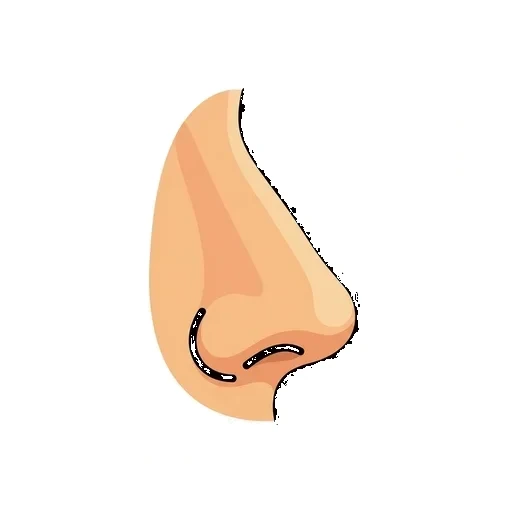
- ਰ Rarra
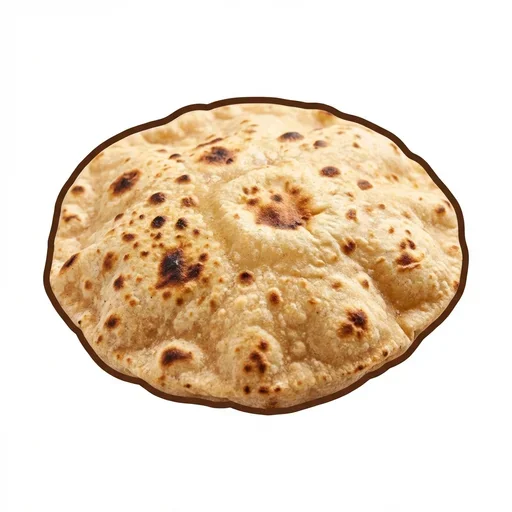
Four skills in this level · tap to jump · every level is open
Step 1 — first words
Read these to a grown-up
Your child reads each word aloud to any grown-up. Tick the ones they read. Two helps allowed.
Ticks are just for this sitting — nothing is saved.
Read
35 letters in 5 steps. Do one step at a sitting — or one a week. why this order? →
Step 1 is at the top of the page. Back to Step 1 ↑
Step 2 — 6 letters ਕ ਪ ਟ ਗ ਜ ਡ Open step →
 ਕੇਲਾ · Banana
  ਪਤੰਗ · Kite
  ਟਮਾਟਰ · Tomato
  ਗੁਰਦੁਆਰਾ · Gurdwara
  ਜਹਾਜ਼ · Airplane
  ਡੱਡੂ · Frog
 First words
Read these to a grown-up
Your child reads each word aloud to any grown-up. Tick the ones they read. Two helps allowed.
Ticks are just for this sitting — nothing is saved.
Step 3 — 7 letters ਤ ਥ ਦ ਧ ਠ ਢ ਣ Open step →
 ਤਾਰਾ · Star
 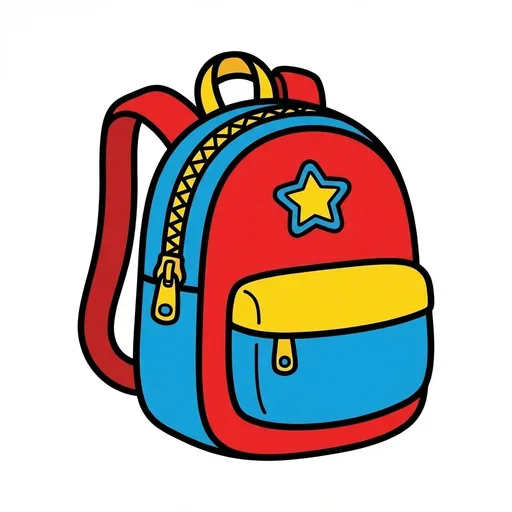 ਥੈਲਾ · Bag
  ਦਰਵਾਜ਼ਾ · Door
 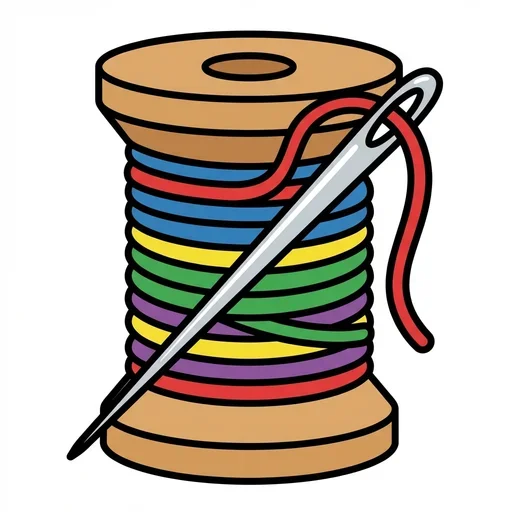 ਧਾਗਾ · Thread
  ਠਾਣਾ · Police Station
 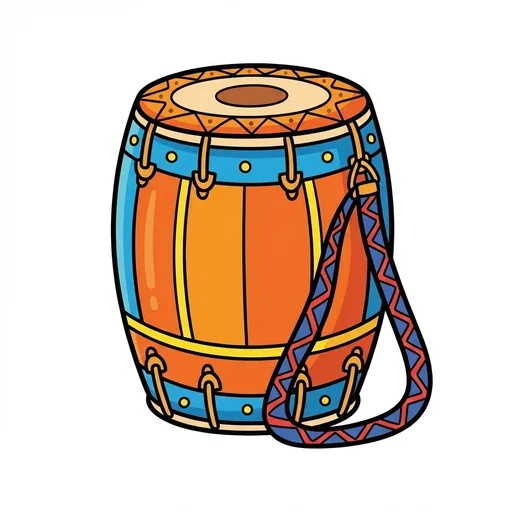 ਢੋਲ · Drum
 First words
Read these to a grown-up
Your child reads each word aloud to any grown-up. Tick the ones they read. Two helps allowed.
Ticks are just for this sitting — nothing is saved.
Step 4 — 10 letters ਚ ਛ ਝ ਖ ਘ ਫ ਬ ਭ ਲ ਵ Open step →
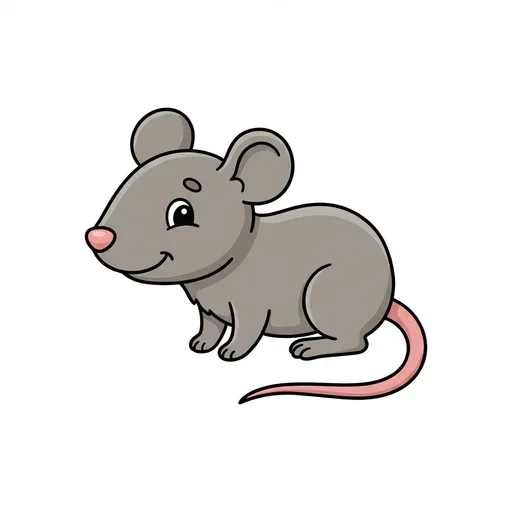 ਚੂਹਾ · Mouse
  ਛੱਤਰੀ · Umbrella
  ਝੰਡਾ · Flag
 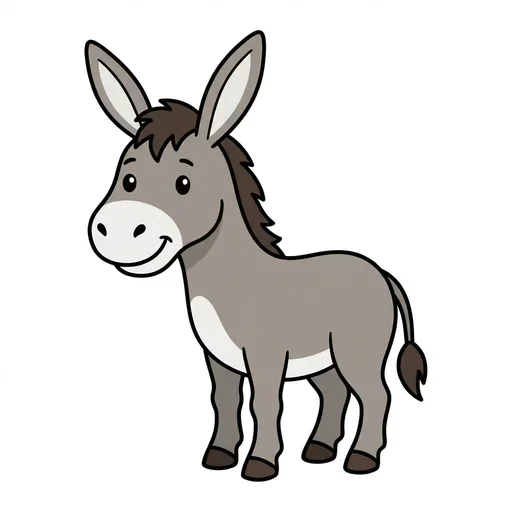 ਖੋਤਾ · Donkey
 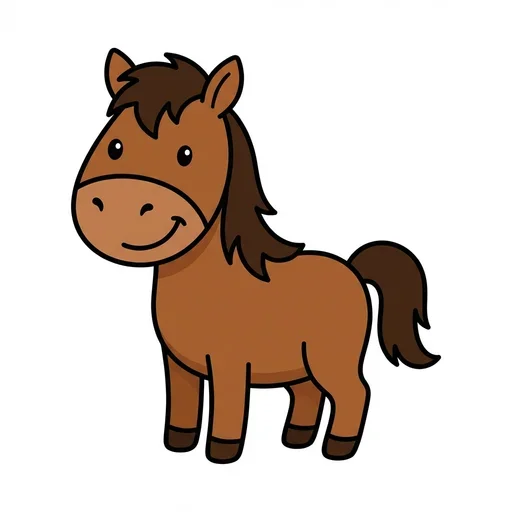 ਘੋੜਾ · Horse
  ਫੁੱਲ · Flower
 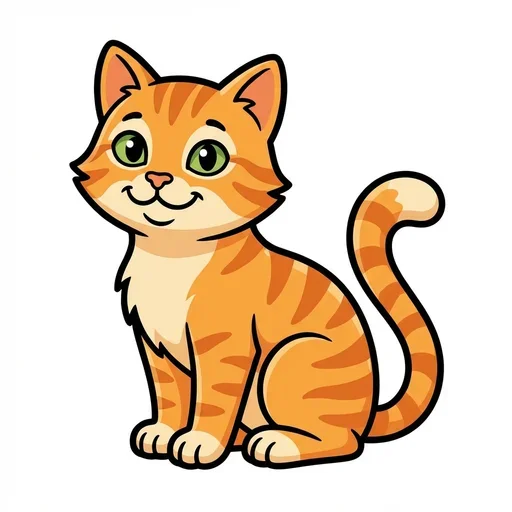 ਬਿੱਲੀ · Cat
  ਭਾਲੂ · Bear
 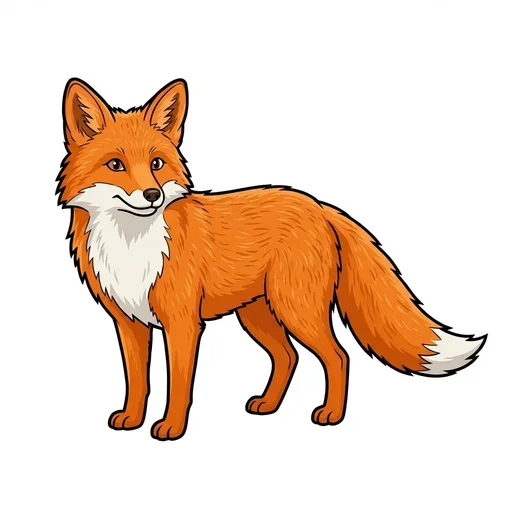 ਲੂੰਬੜੀ · Fox
  ਵੱਛਾ · Calf
 First words
Read these to a grown-up
Your child reads each word aloud to any grown-up. Tick the ones they read. Two helps allowed.
Ticks are just for this sitting — nothing is saved.
Step 5 — 7 letters ੜ ਯ ਙ ਞ ੳ ਅ ੲ Open step →
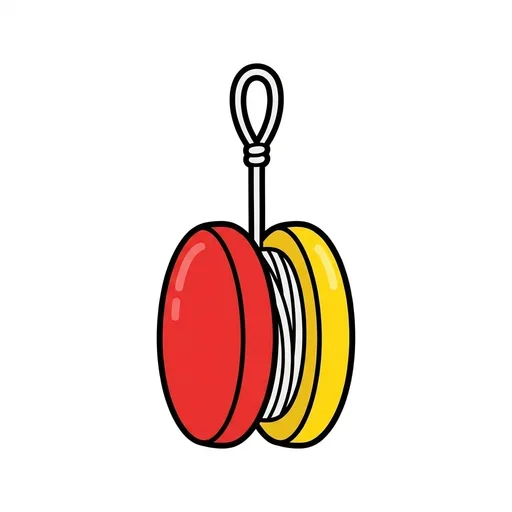 ਯੋ-ਯੋ · Yo-Yo
 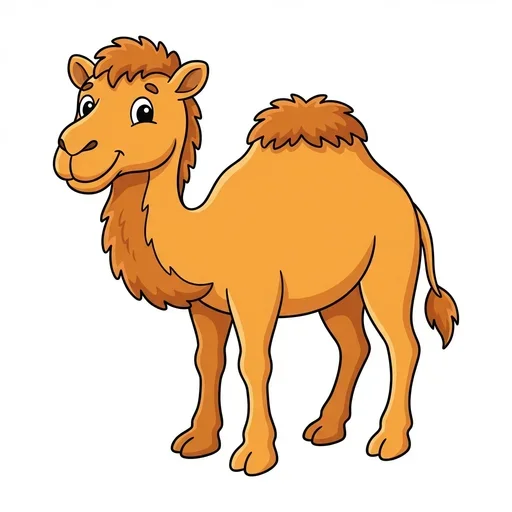 ਊਠ · Camel
 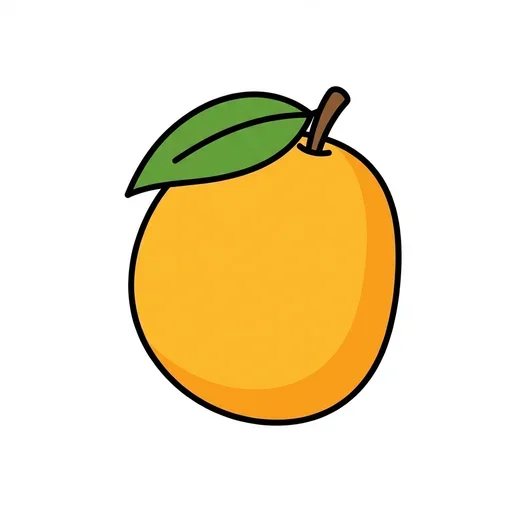 ਅੰਬ · Mango
 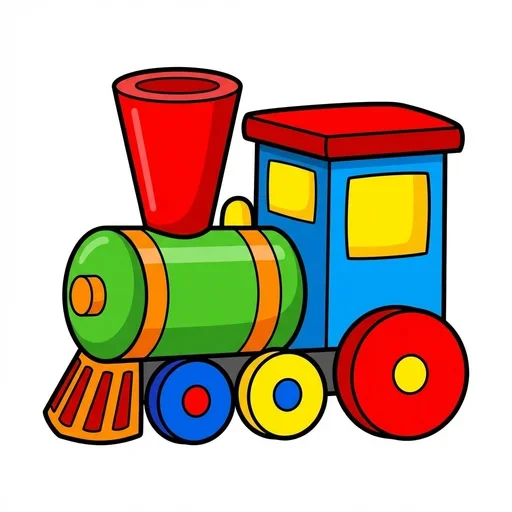 ਇੰਜਣ · Engine
 Listen
Every letter's sound is on its card. This game turns it into a listening check.
Hear it, point to it
Play a sound, then ask your child to point to the letter that makes it. You don't need to know the answer — the letter lights up when they get it. 6 letters at a time, drawn from every letter your child has met.
Speak
Four things to say out loud. Two have recordings today; two are waiting on them.
Talk mission 1
Ready nowGreet someone
For the grown-up
Greet your child with ਸਤਿ ਸ੍ਰੀ ਅਕਾਲ the moment they wake up, and wait — don't translate. Let the pause do the work. They answer with the same words.
Who to say it to
- A Punjabi-speaking parent
- Grandparents — in person or on a video call
- Someone at the gurdwara
- Or repeat after our recording
Talk mission 2
Ready nowSay thank you
For the grown-up
Hand your child something — a glass of water — and wait for them to say ਧੰਨਵਾਦ. Then swap: they hand you something.
Who to say it to
- A Punjabi-speaking parent
- Grandparents — in person or on a video call
- Someone at the gurdwara
- Or repeat after our recording
Talk mission 3
Ready nowSay sorry
For the grown-up
The next small spill or bump is the moment — not a lesson, just the word. Say ਮਾਫ਼ ਕਰਨਾ yourself when you knock something over, and they will copy it long before they are asked to.
Who to say it to
- A Punjabi-speaking parent
- Grandparents — in person or on a video call
- Someone at the gurdwara
- Or repeat after our recording
Talk mission 4
Ready nowAnswer "how are you?"
For the grown-up
Ask ਕਿੱਦਾਂ? in Punjabi and hold out for a Punjabi answer — ਠੀਕ ਹਾਂ. This is the one that turns a child who understands Punjabi into a child who speaks it: the question has to come in Punjabi and stay in Punjabi.
Who to say it to
- A Punjabi-speaking parent
- Grandparents — in person or on a video call
- Someone at the gurdwara
- Or repeat after our recording
More ways to say these — with replies, dialogues and when to use which — are on the phrase pages: thank you, sorry and happy birthday.
Write
Writing lives on paper — print, trace, then copy your first words.
Tracing worksheets — all 35 letters
Trace every letter in its step group, then copy your first words on the lines.
What your child will be able to do
-
Read Ready now
"…name all 35 letters and their sounds, and read a simple no-vowel word by myself."
-
Listen Ready now
"…point to the right letter when I hear its sound."
-
Speak Ready now
"…greet someone, say thank you and sorry, and answer "how are you" in Punjabi."
-
Write Ready now
"…trace all 35 letters and copy a short word."
Use these any time
Questions parents ask
- I don't read Gurmukhi — can I still help?
- Yes. Every letter in Level 1 has a sound button, so you can press it and learn right alongside your child. In the "Read these to a grown-up" checks your part is to listen, tick the words your child reads, and count the helps — each word is also written in English letters, so you can follow along without reading Gurmukhi. Plenty of parents learn the letters with their children.
- How long does a level take?
- There's no deadline and no schedule. A gentle rhythm that works well is one step at a sitting — five or ten minutes — coming back to it as often as your child enjoys. Every level is open, so you can move on, go back, or dip into Listen or Write whenever it suits you.
- Why aren't the letters in painti order?
- The painti (ੳ ਅ ੲ, ਸ ਹ, ਕ ਖ ਗ…) groups letters by where they are made in the mouth — perfect for reciting, but slow for reading: a child can learn ten letters and still not read a word. Level 1 starts with five common letters, ਸ ਹ ਮ ਨ ਰ, that make real words straight away — ਮਨ, ਨਰ, ਰਸ, ਸਰ — so your child reads a word in the very first sitting. Each step adds letters that unlock more words. The rarer letters and the vowel carriers ੳ ਅ ੲ come last, just before Level 2 puts vowel signs on them. English phonics works the same way: children start with s, a, t, p, i, n — not A to Z.
- Should we still learn the painti?
- Yes — keep reciting it. It is the order families, gurdwara classes and every letter chart use, and its rhythm is fun to say together. The letter chart shows all 35 letters in the traditional order. Reading in these steps and reciting the painti help each other.