Free Gurmukhi Alphabet Tracing Worksheets
Hand-crafted printable tracing sheets for all 41 Gurmukhi letters — no ads, no sign-ups, no tracking. Download instantly and start practicing.
Browse All 41 Gurmukhi Letters
The Gurmukhi alphabet is traditionally organized into seven lines of five letters each, plus six pair bindi letters. Click any letter to download the individual tracing sheet, or use the button above for the complete PDF.
Line 1 ੳ ਅ ੲ ਸ ਹ
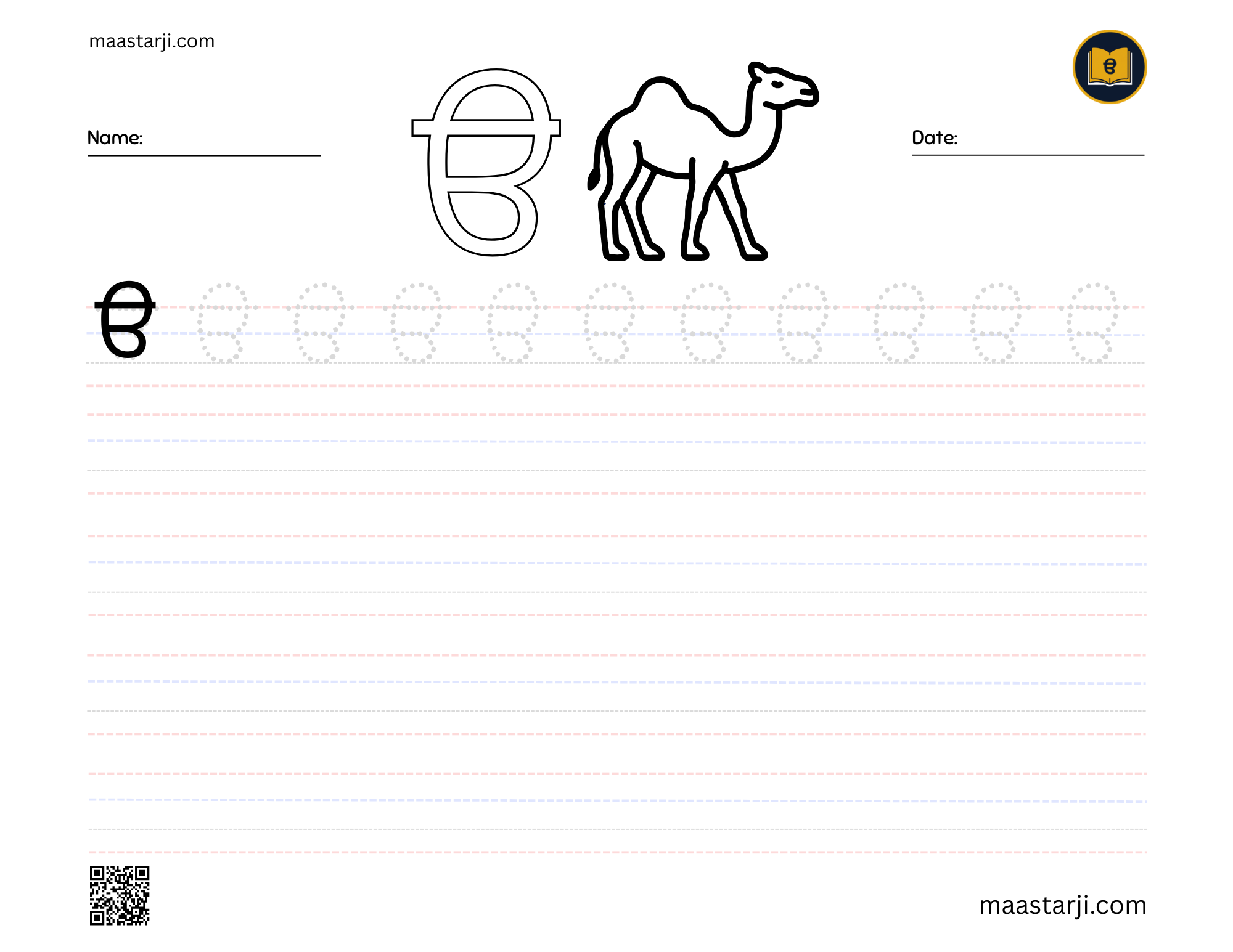
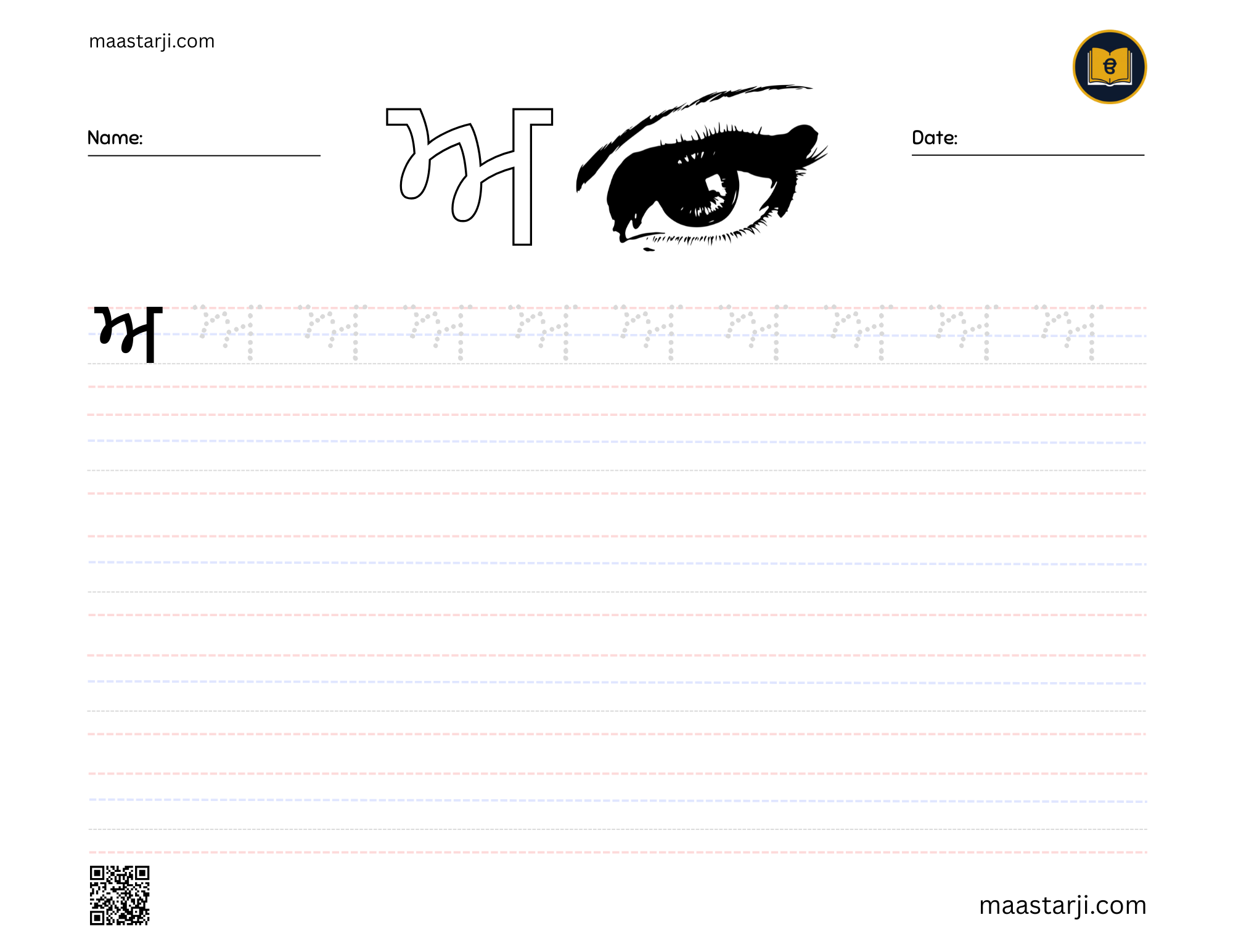
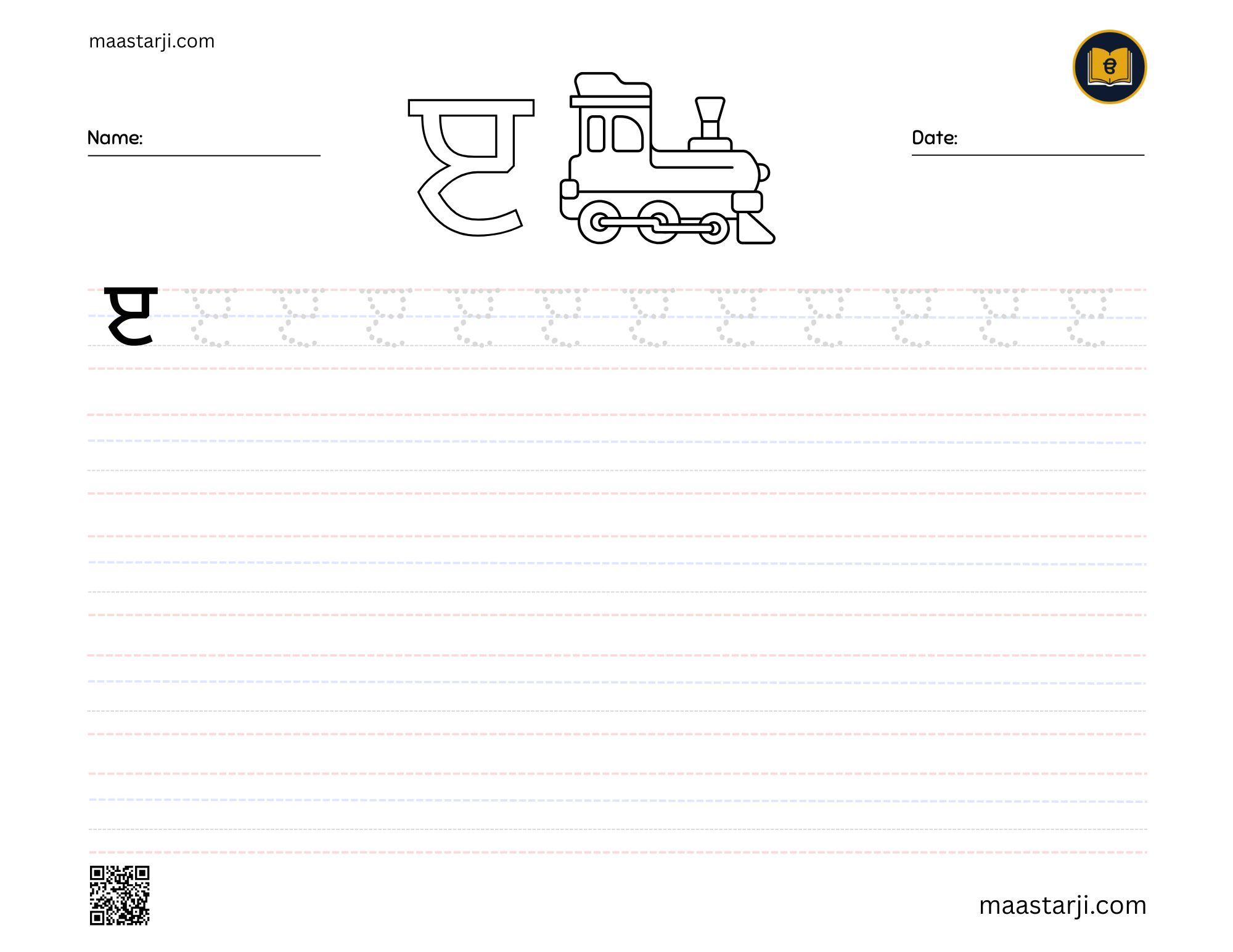
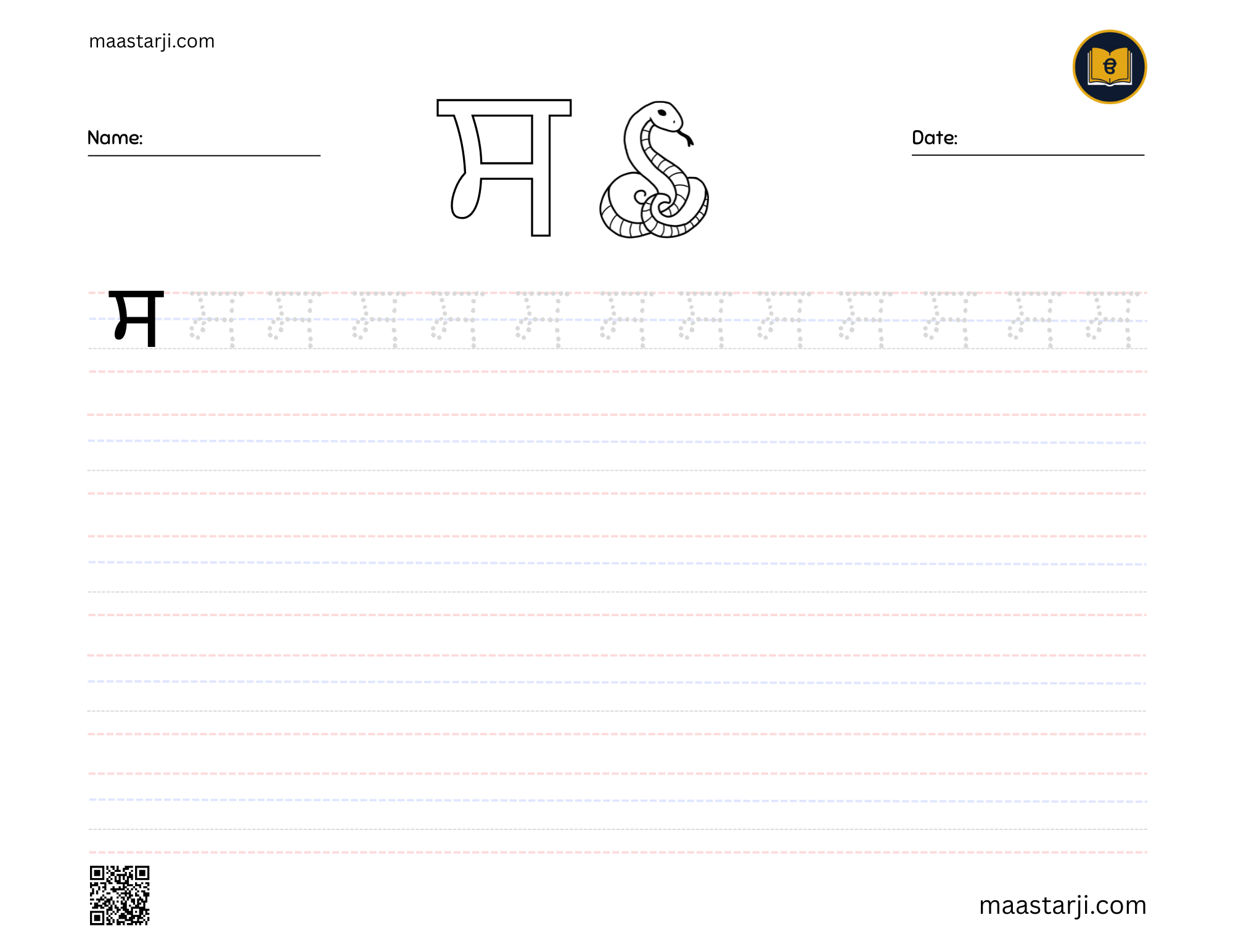
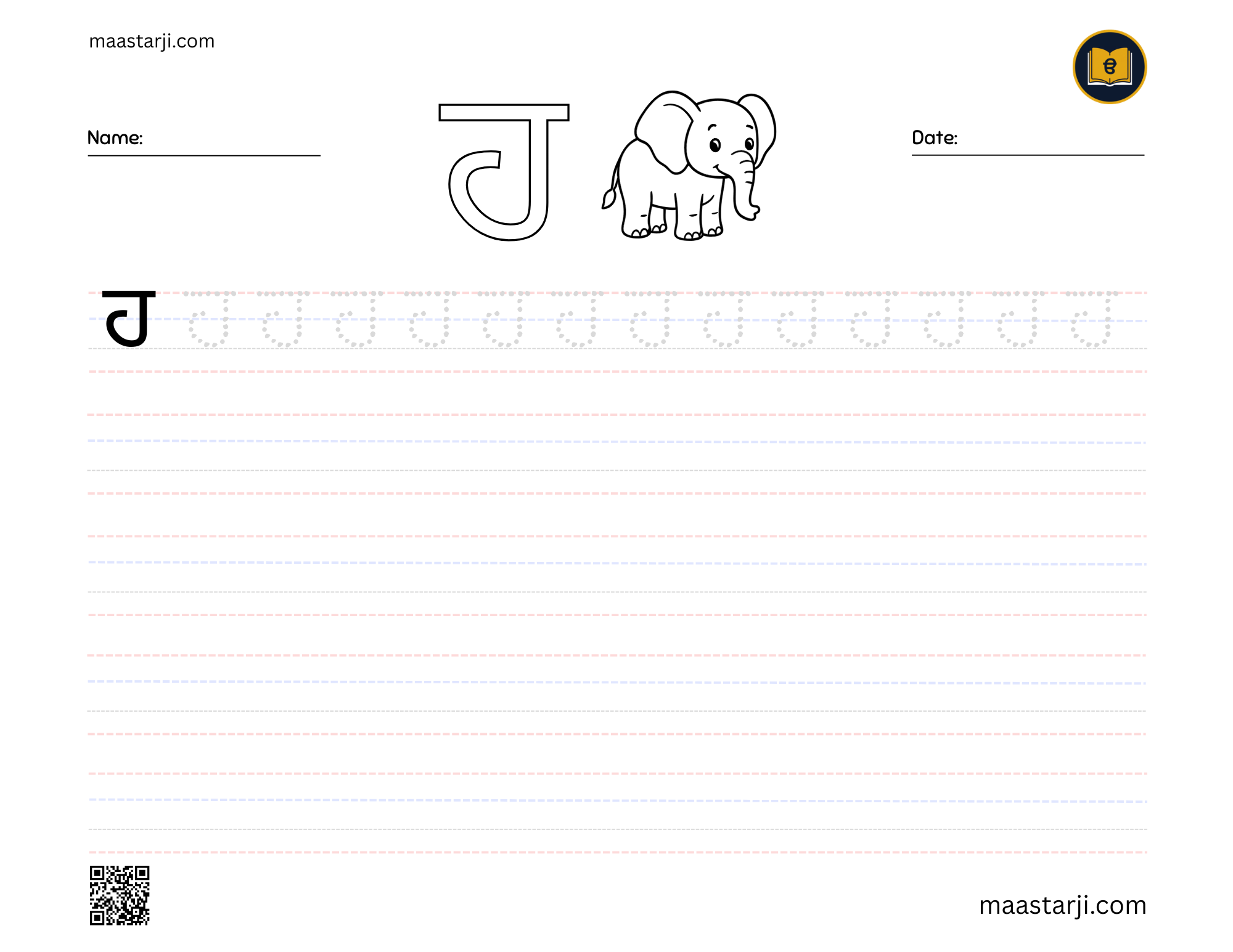
Line 2 ਕ ਖ ਗ ਘ ਙ
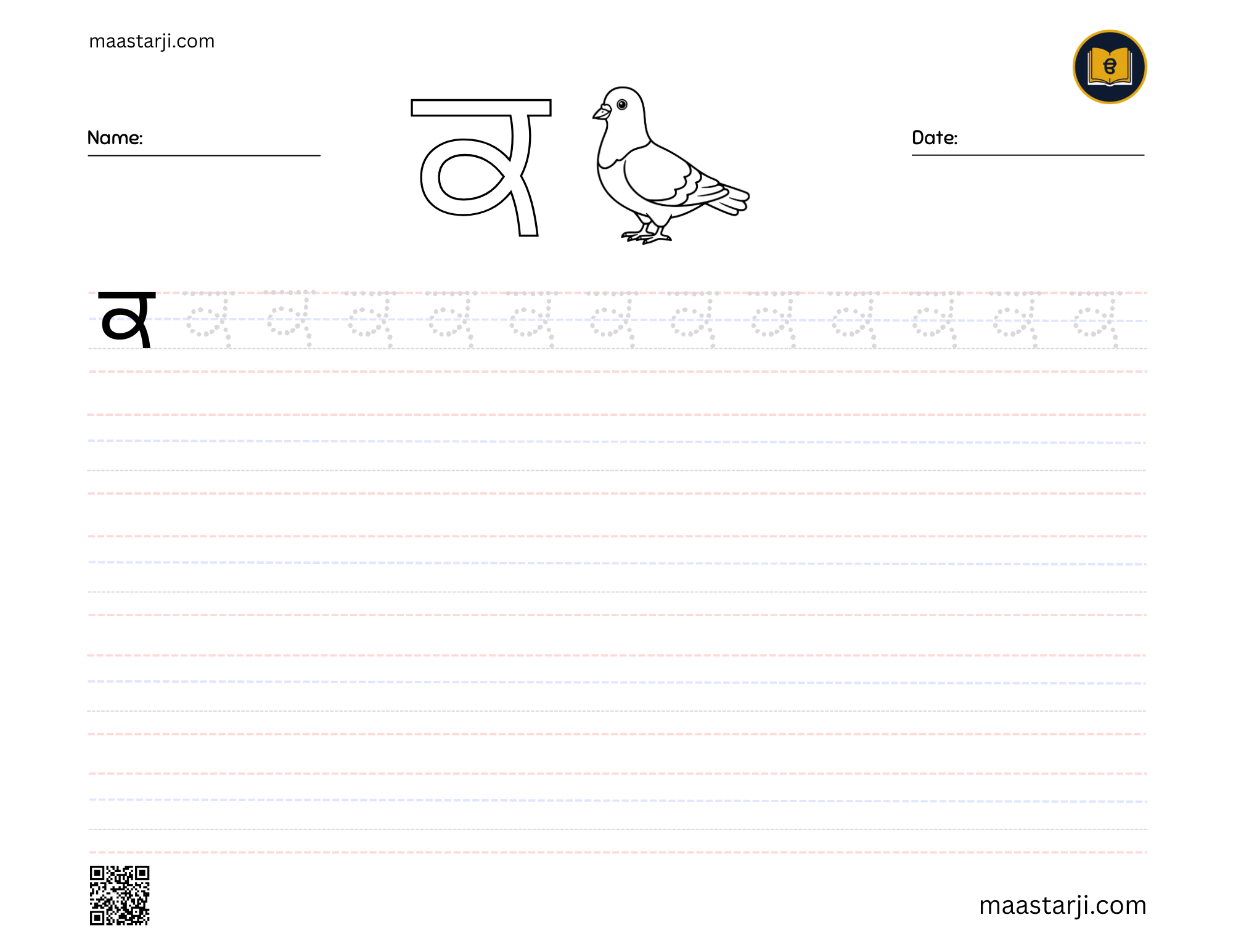
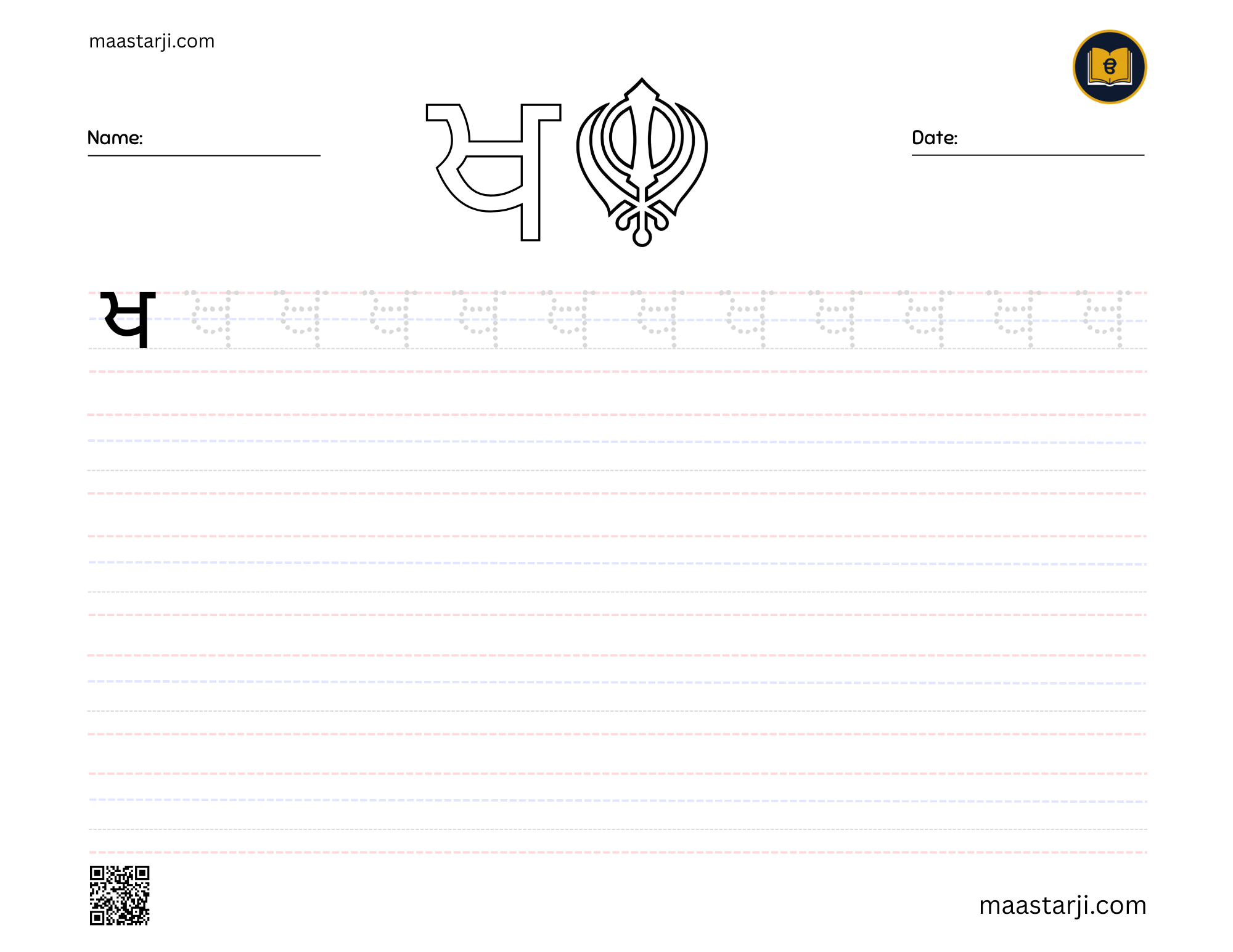
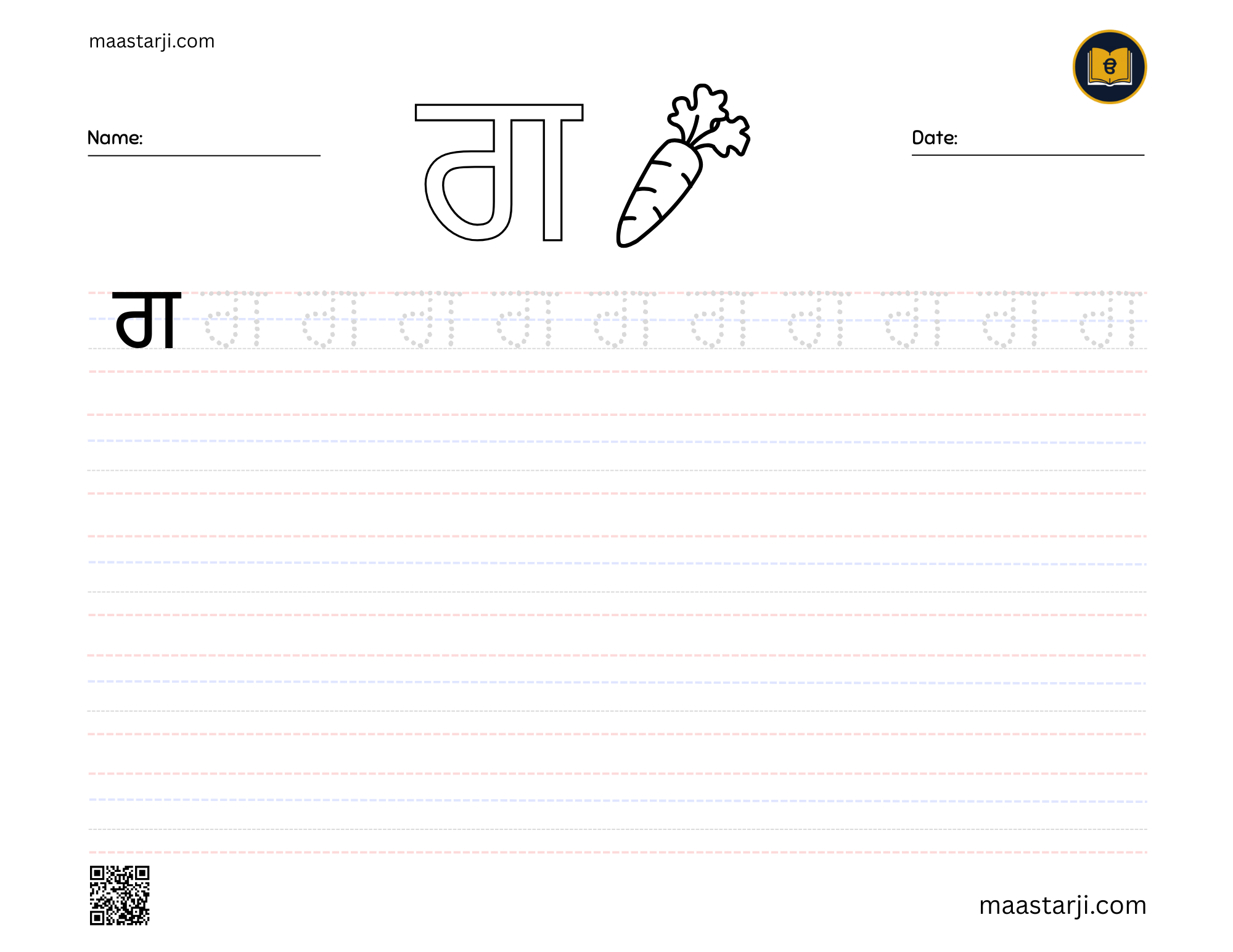
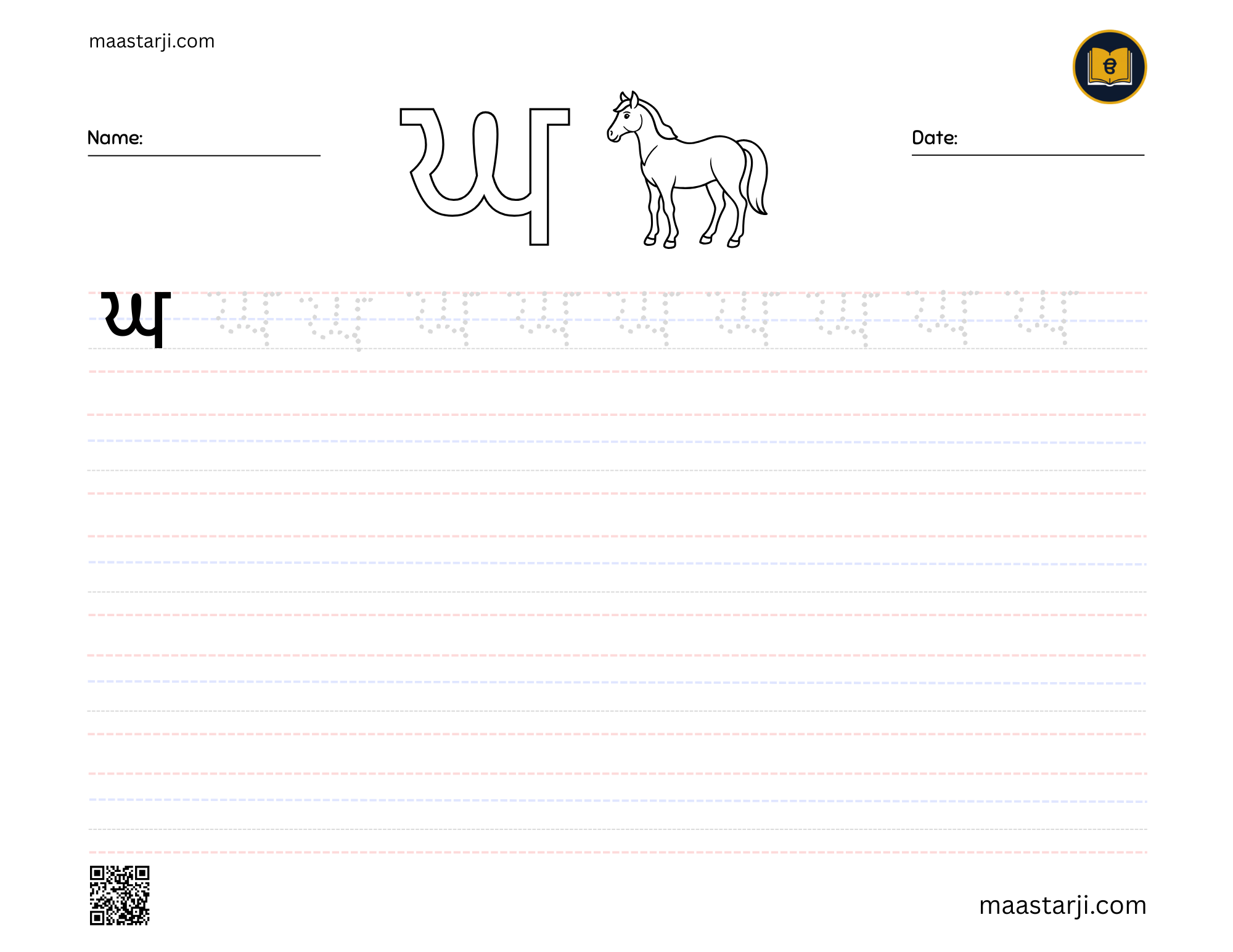
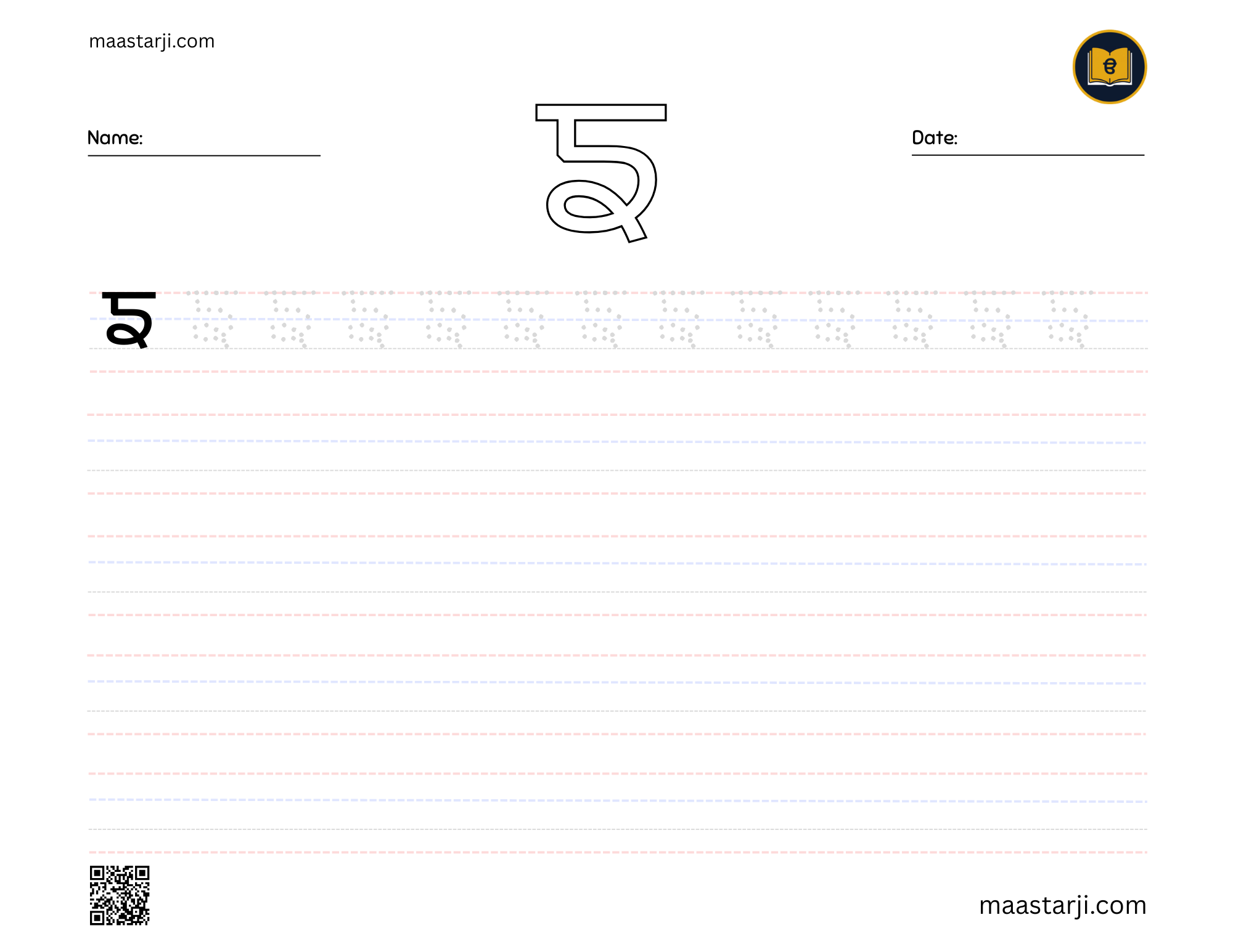
Line 3 ਚ ਛ ਜ ਝ ਞ
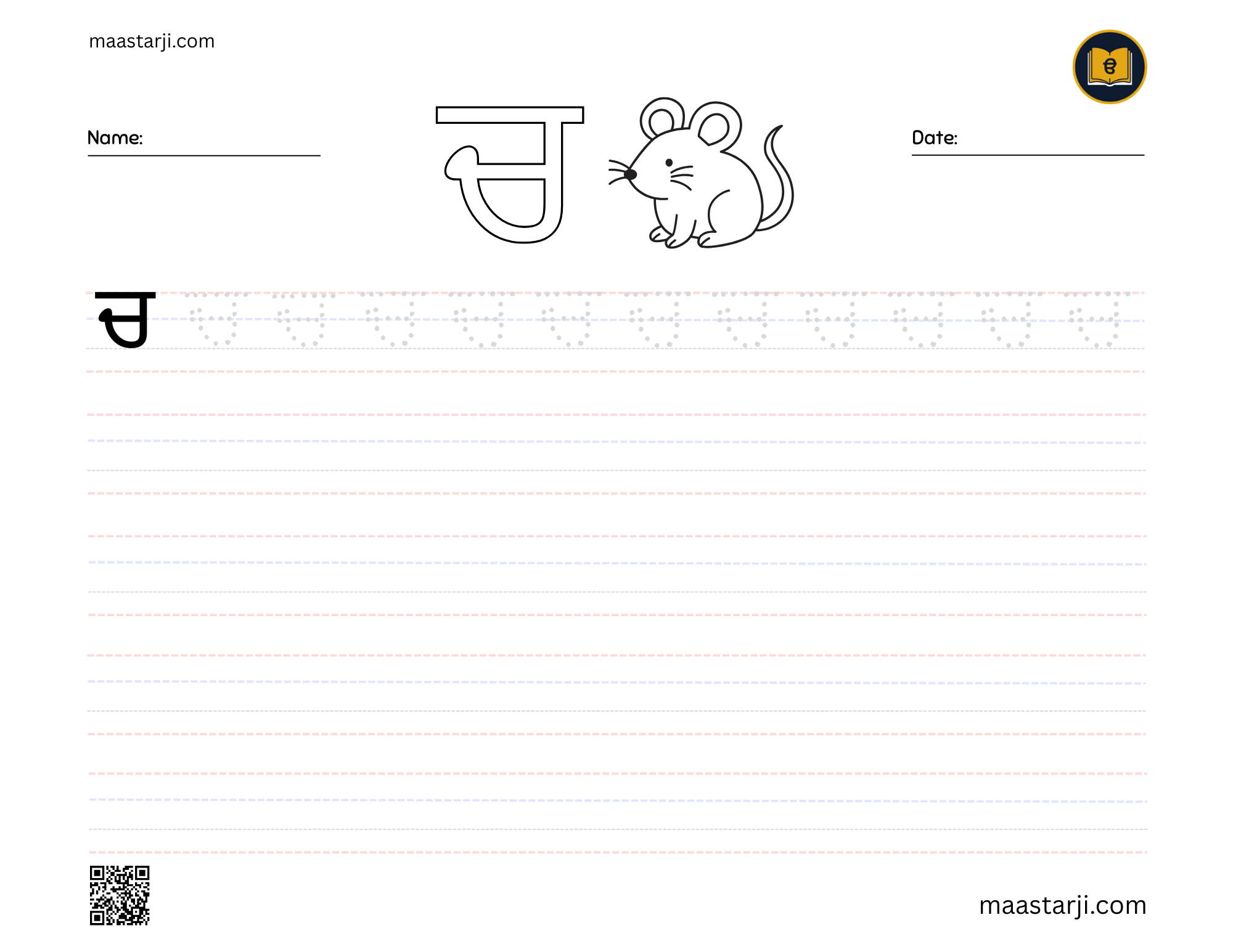
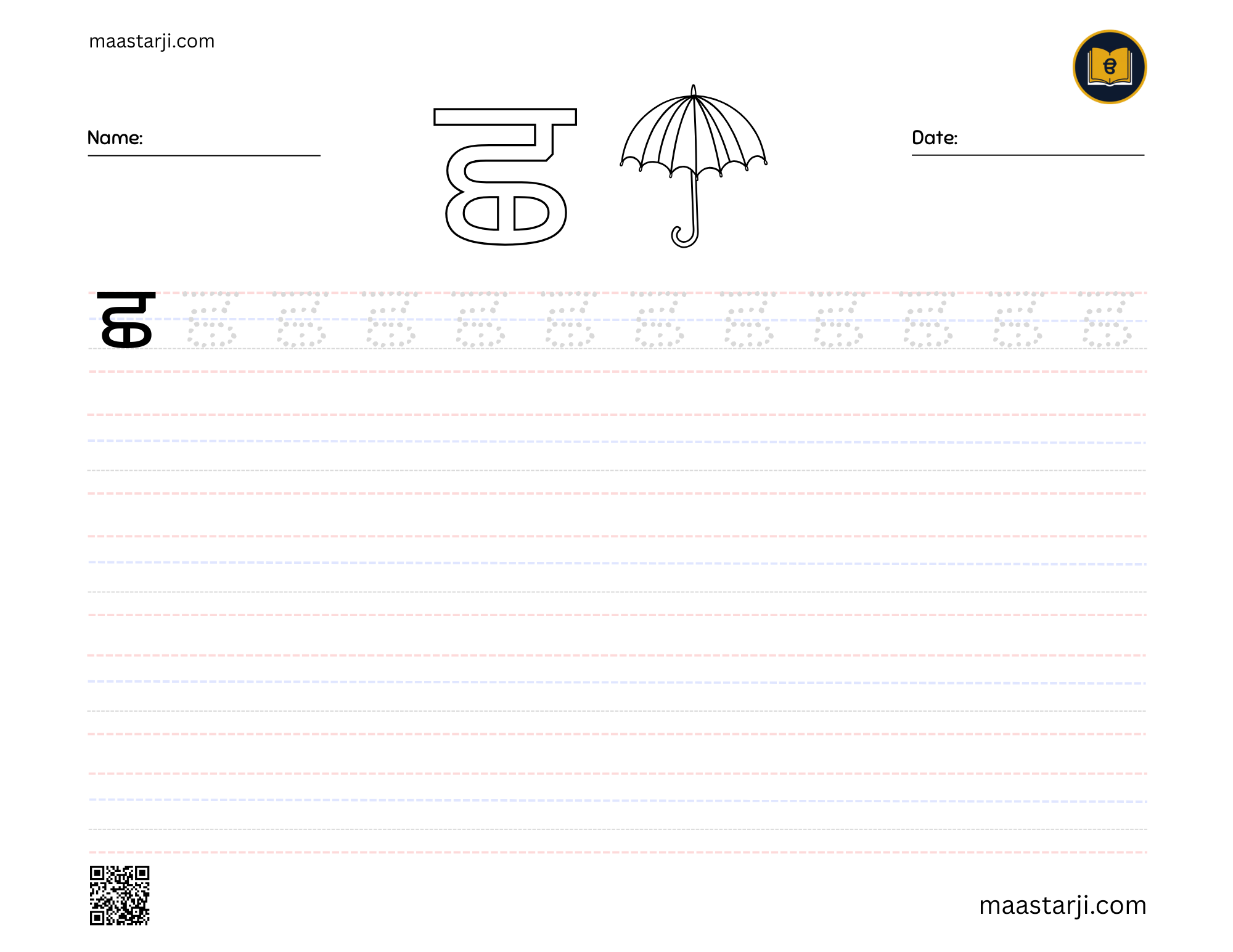
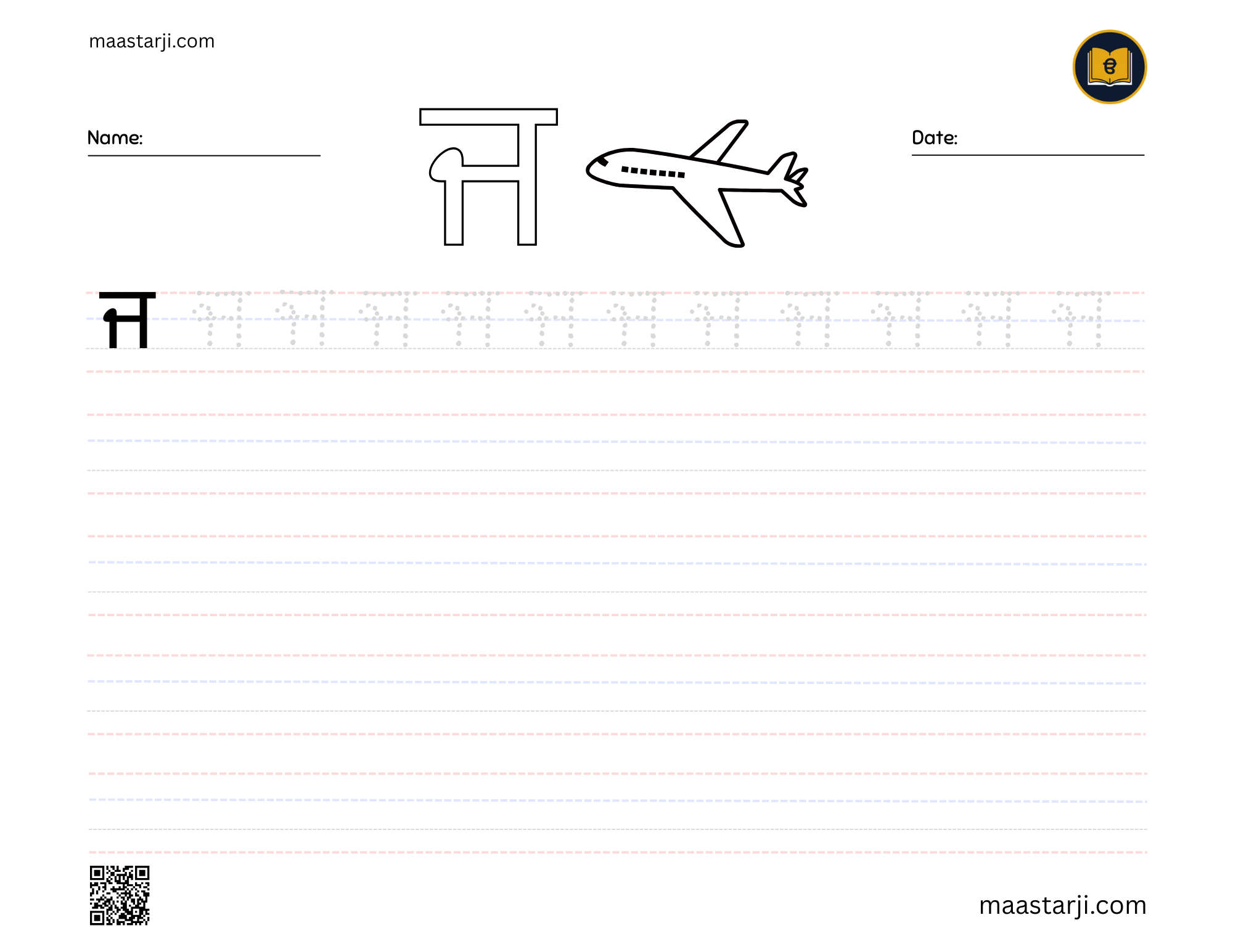
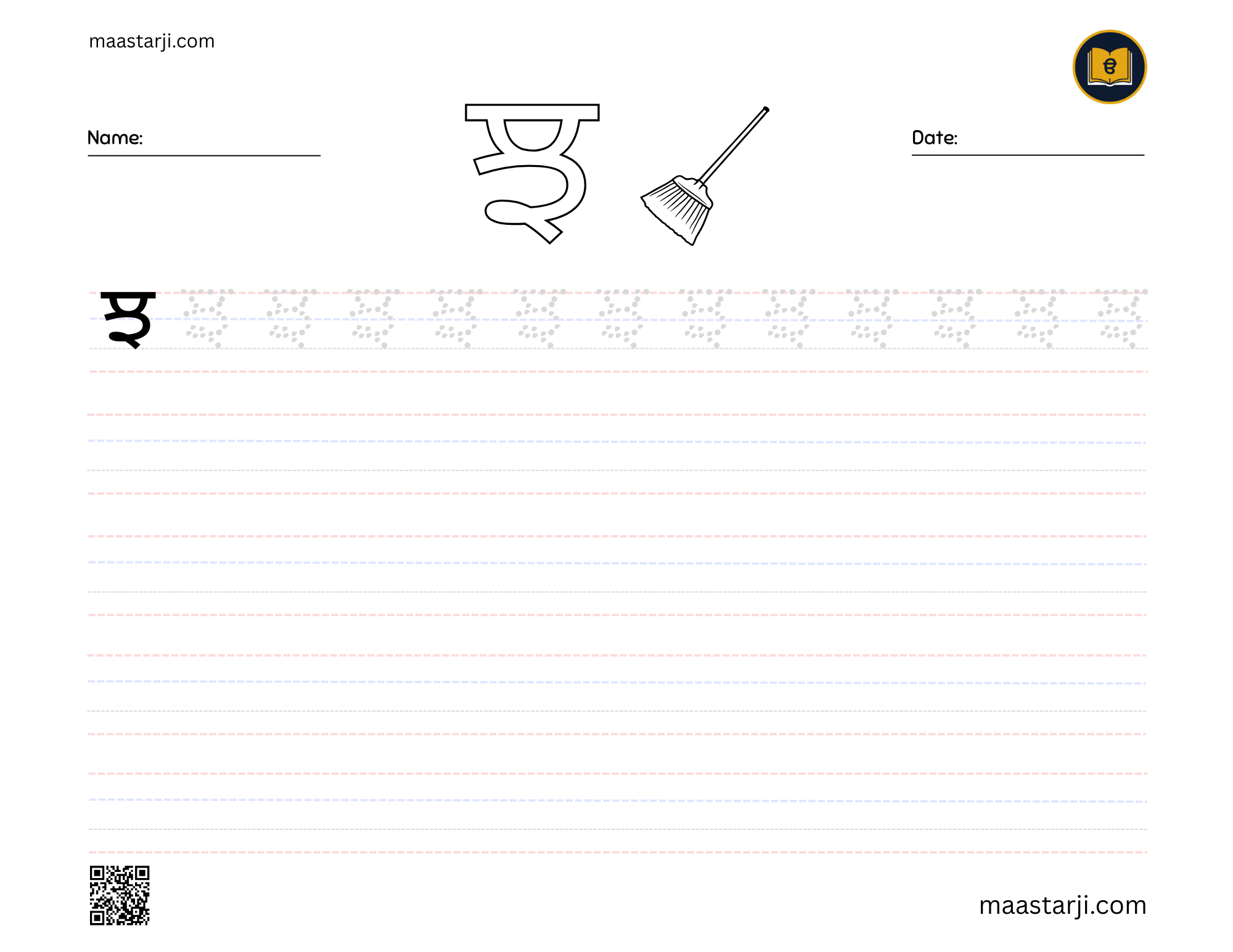
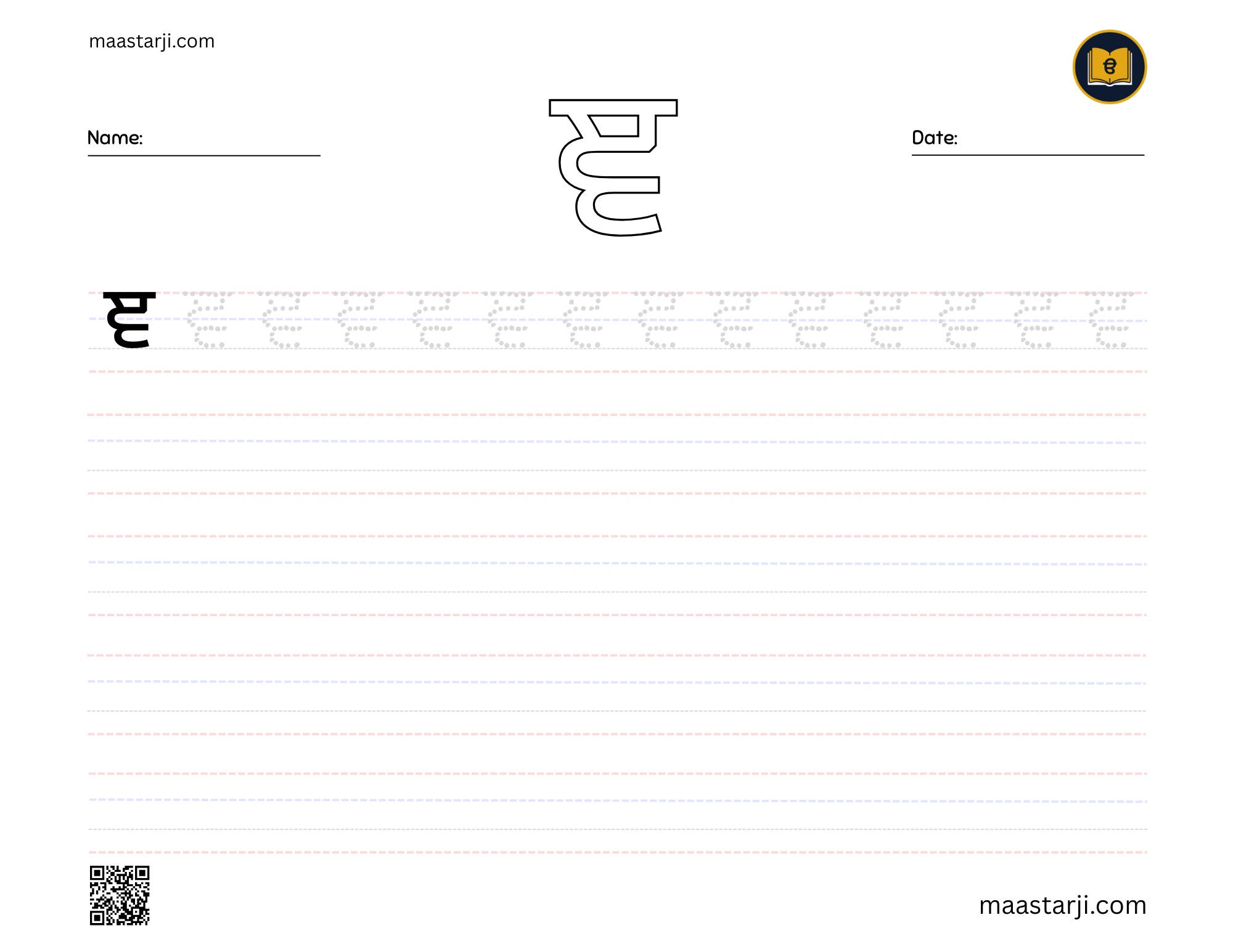
Line 4 ਟ ਠ ਡ ਢ ਣ
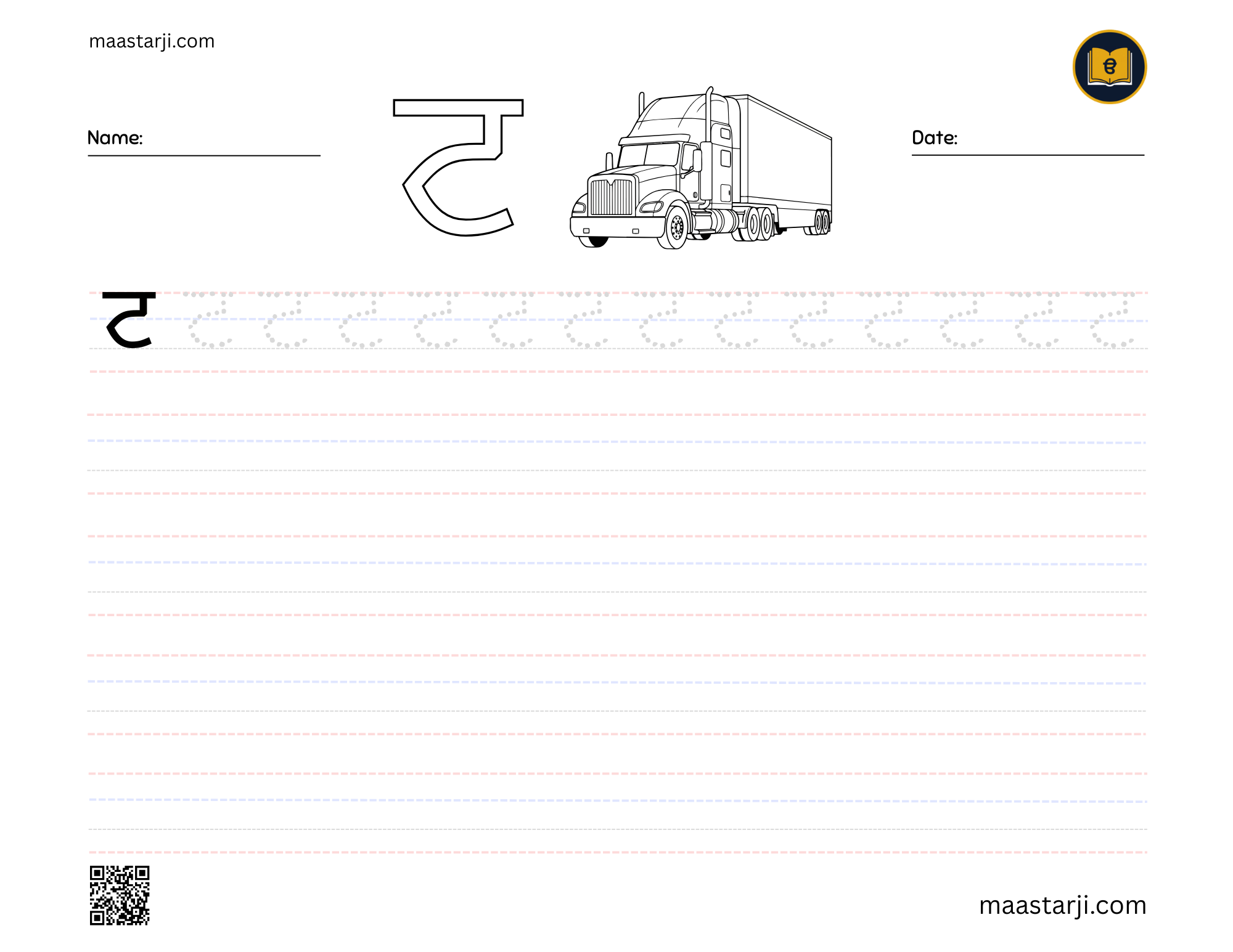
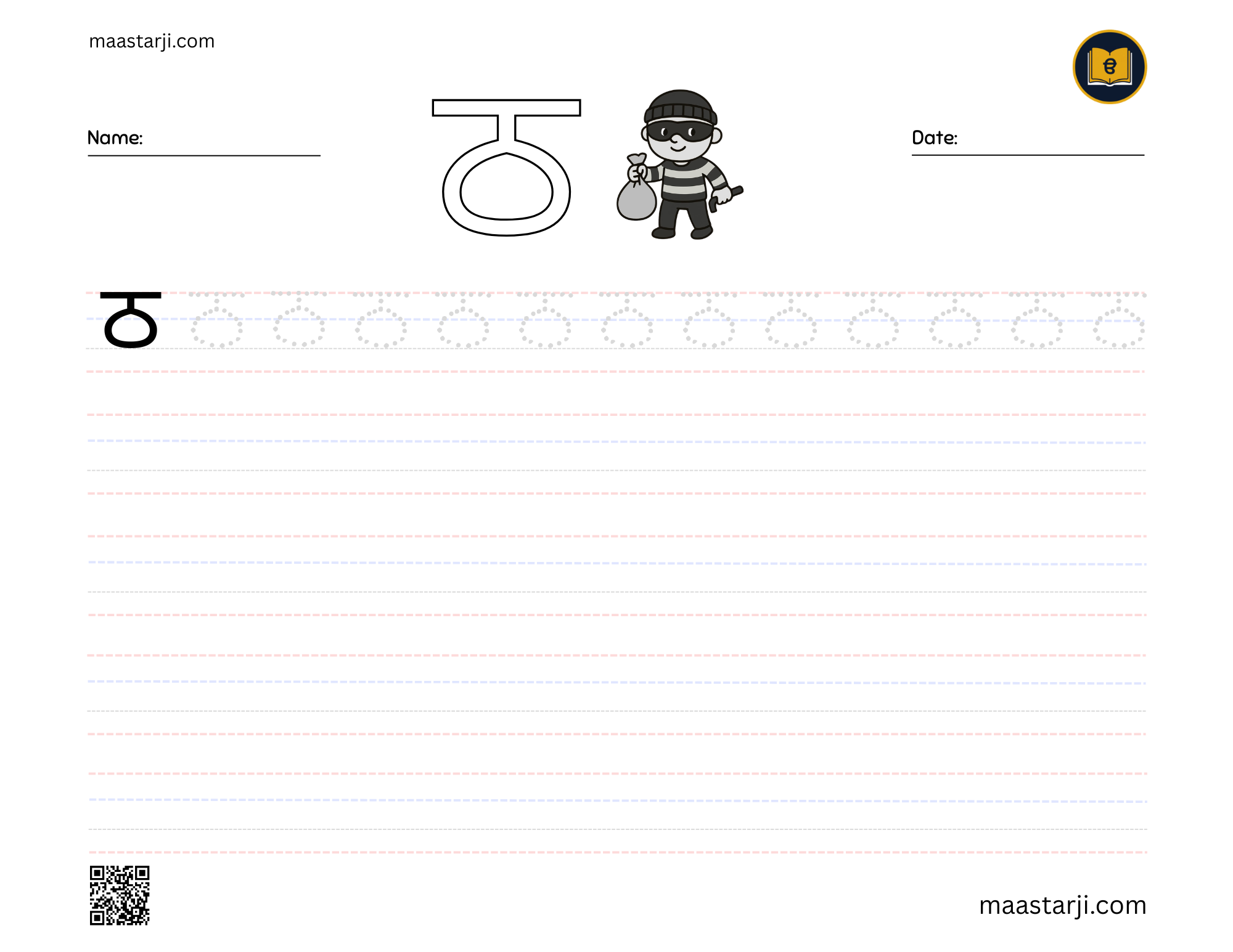
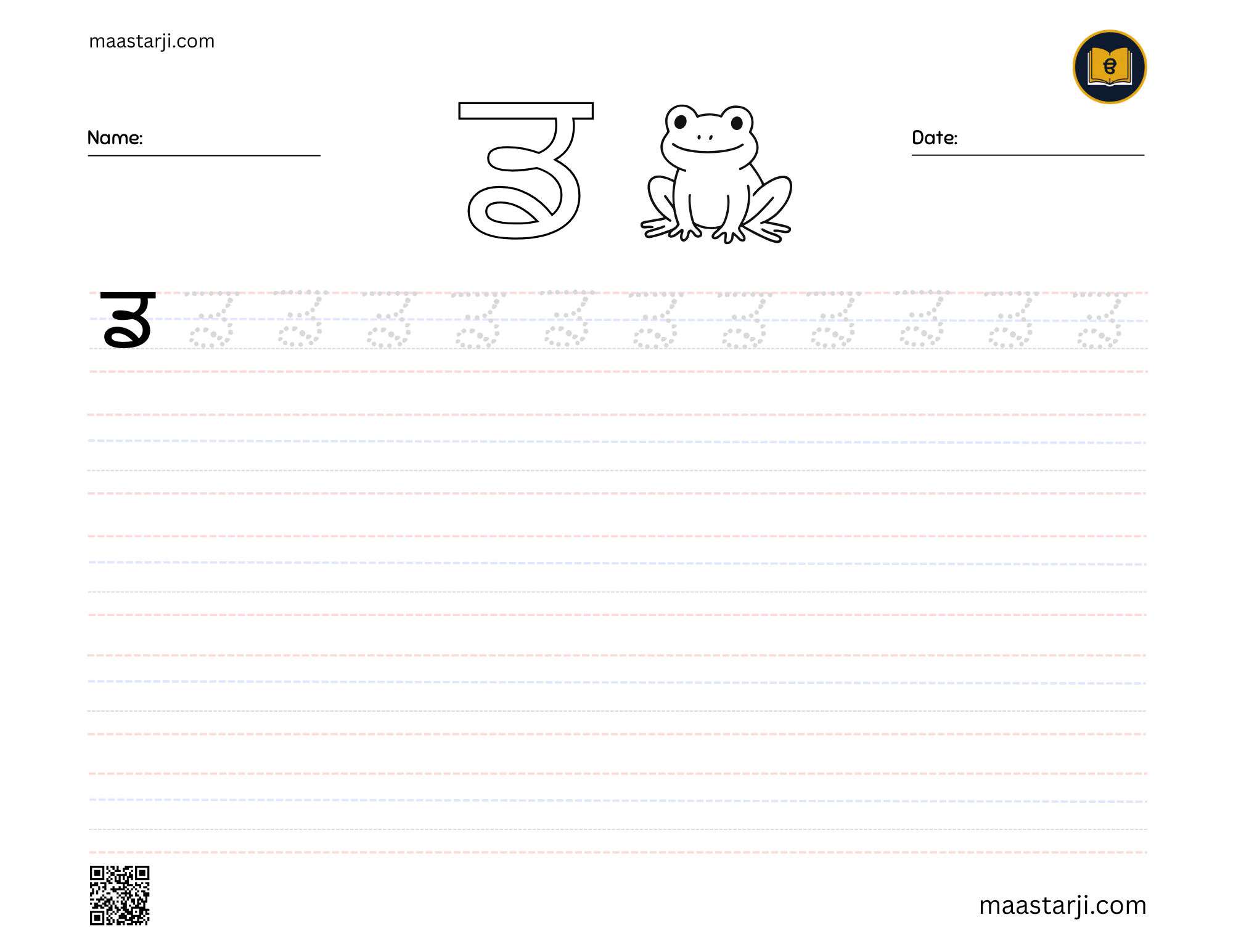
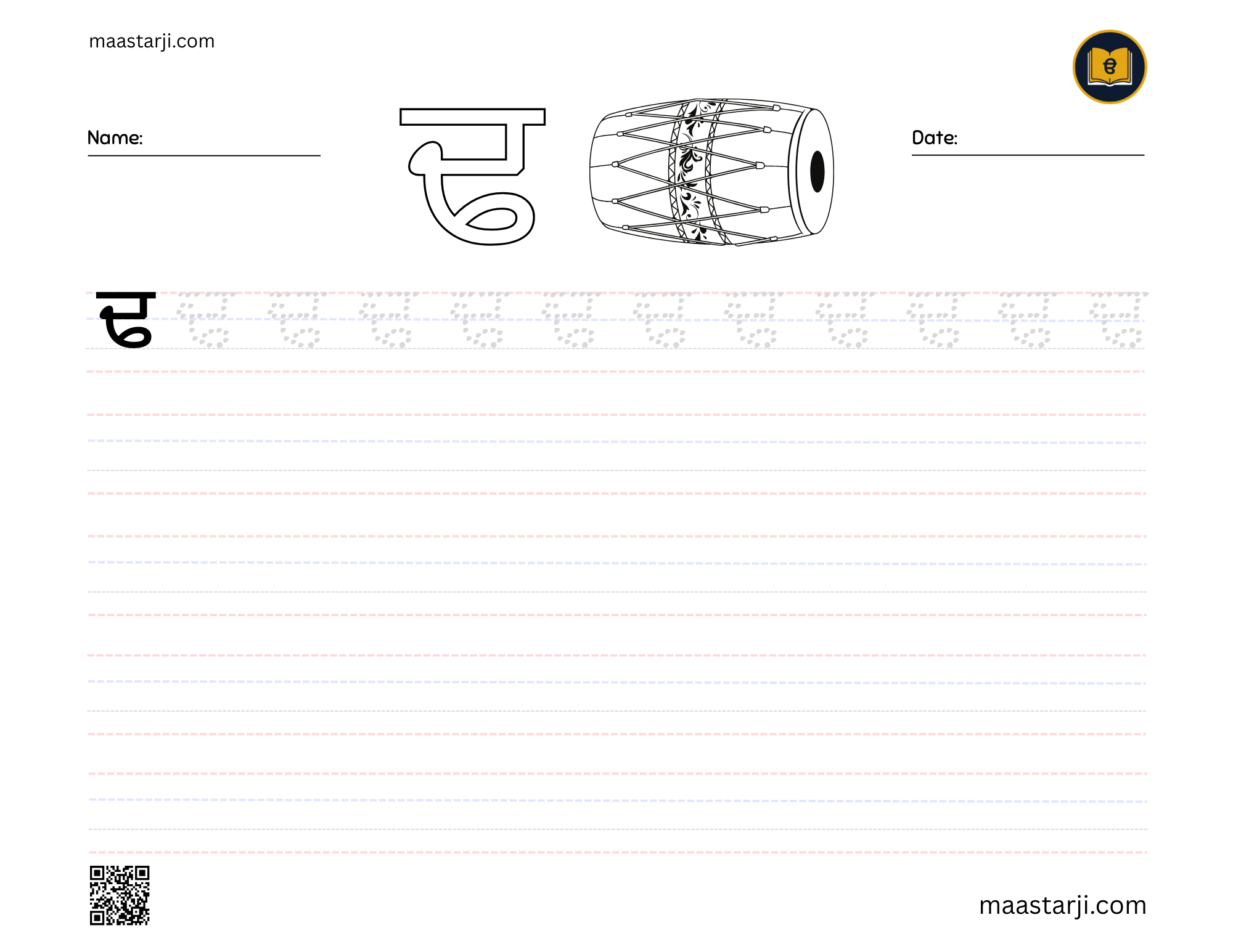
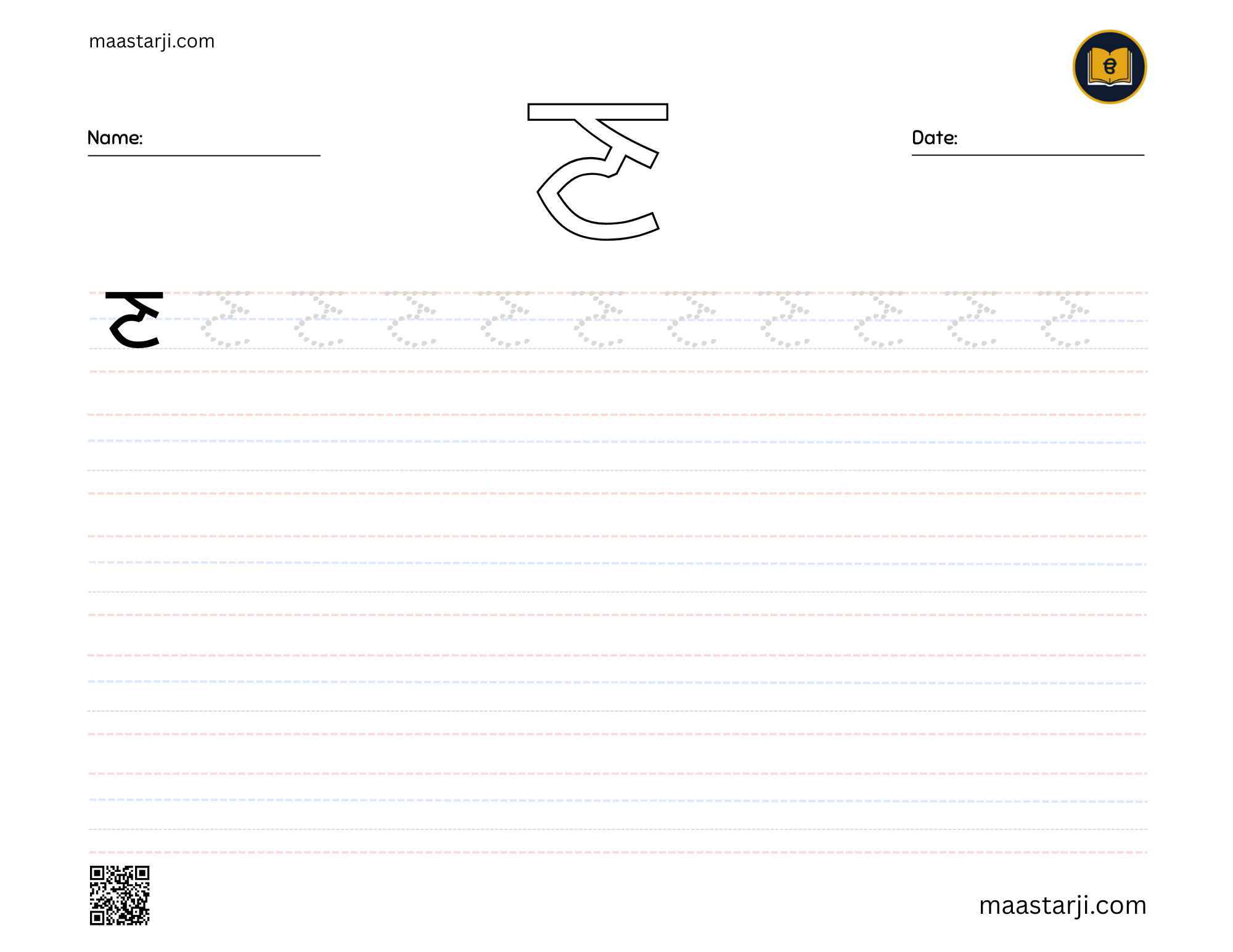
Line 5 ਤ ਥ ਦ ਧ ਨ
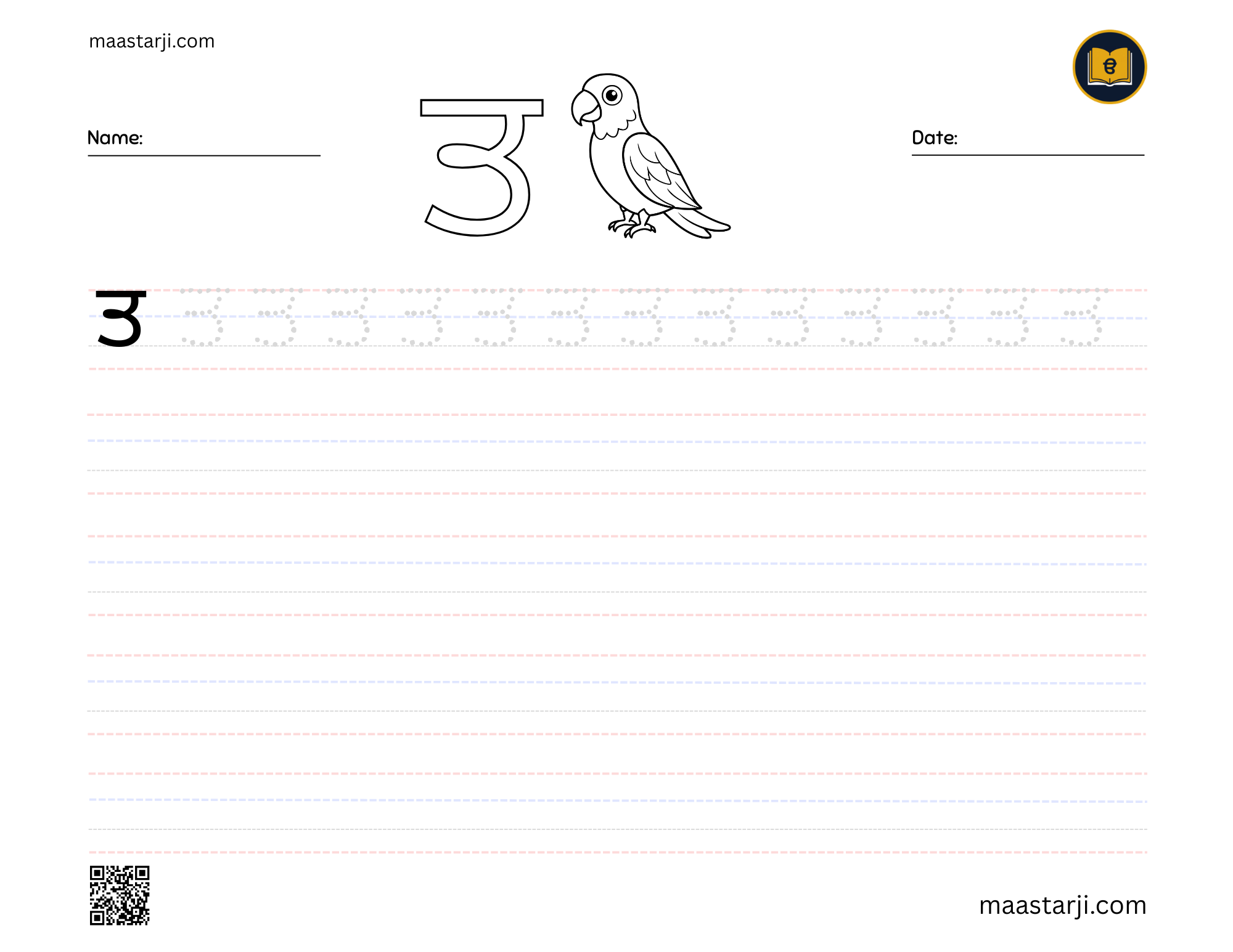
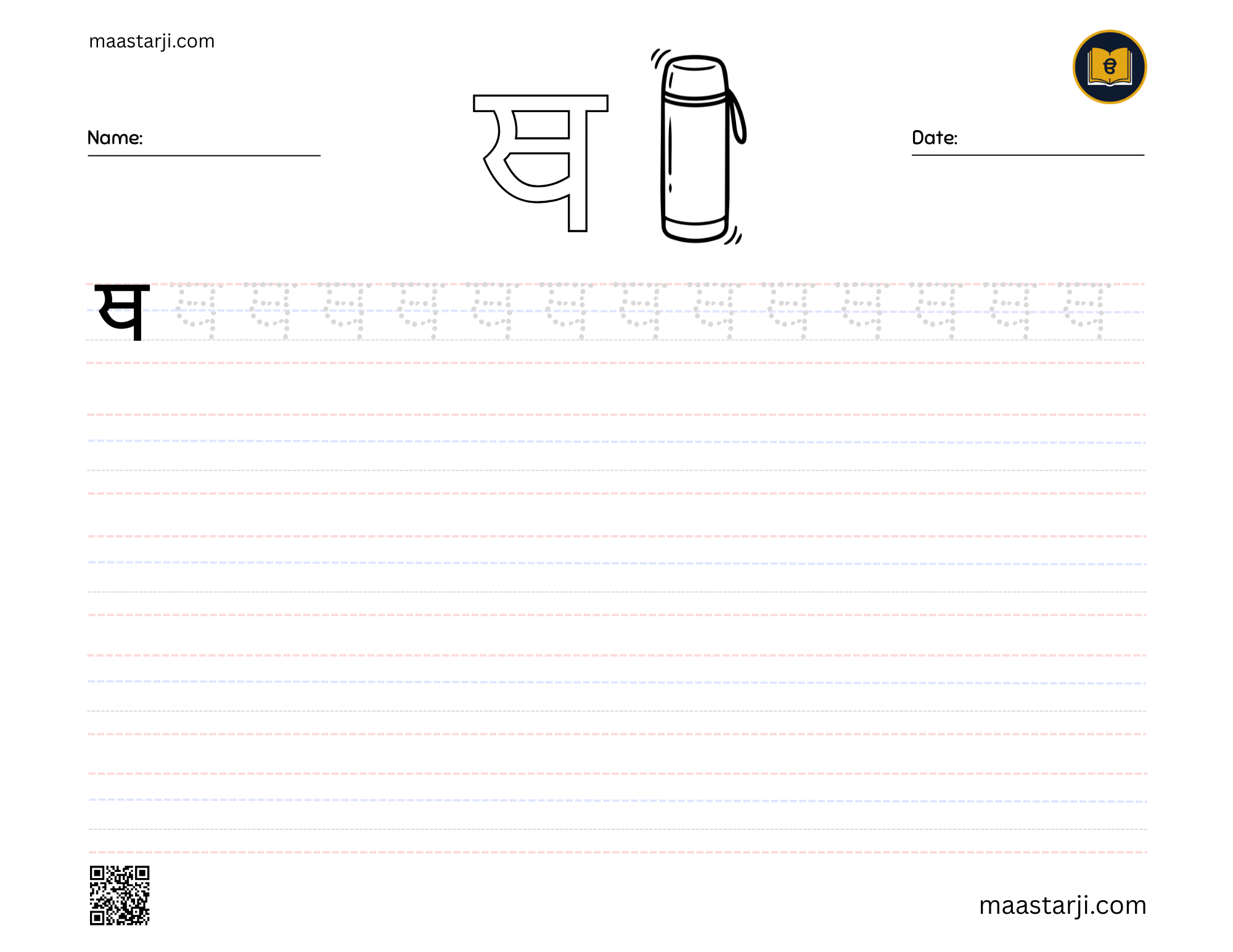
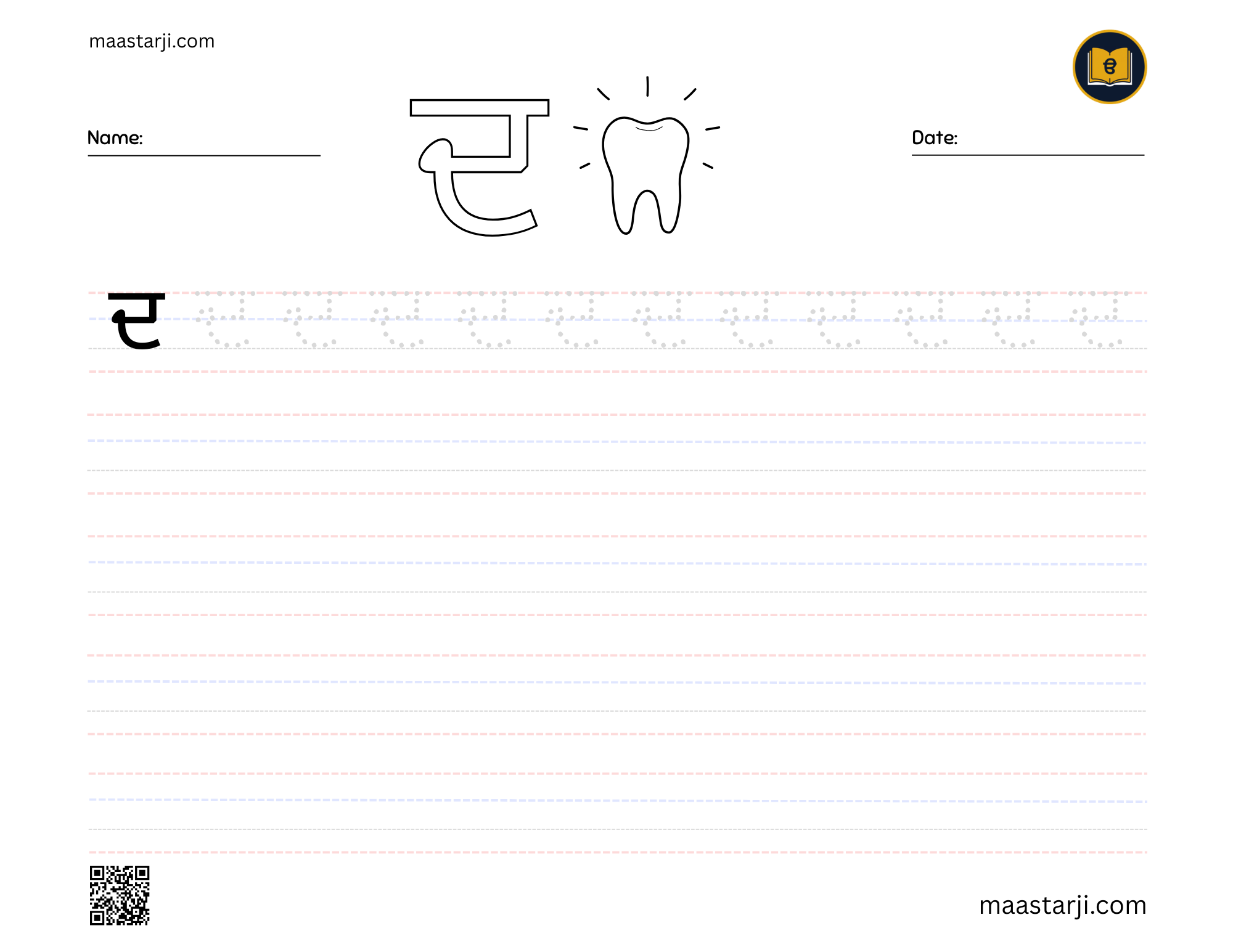
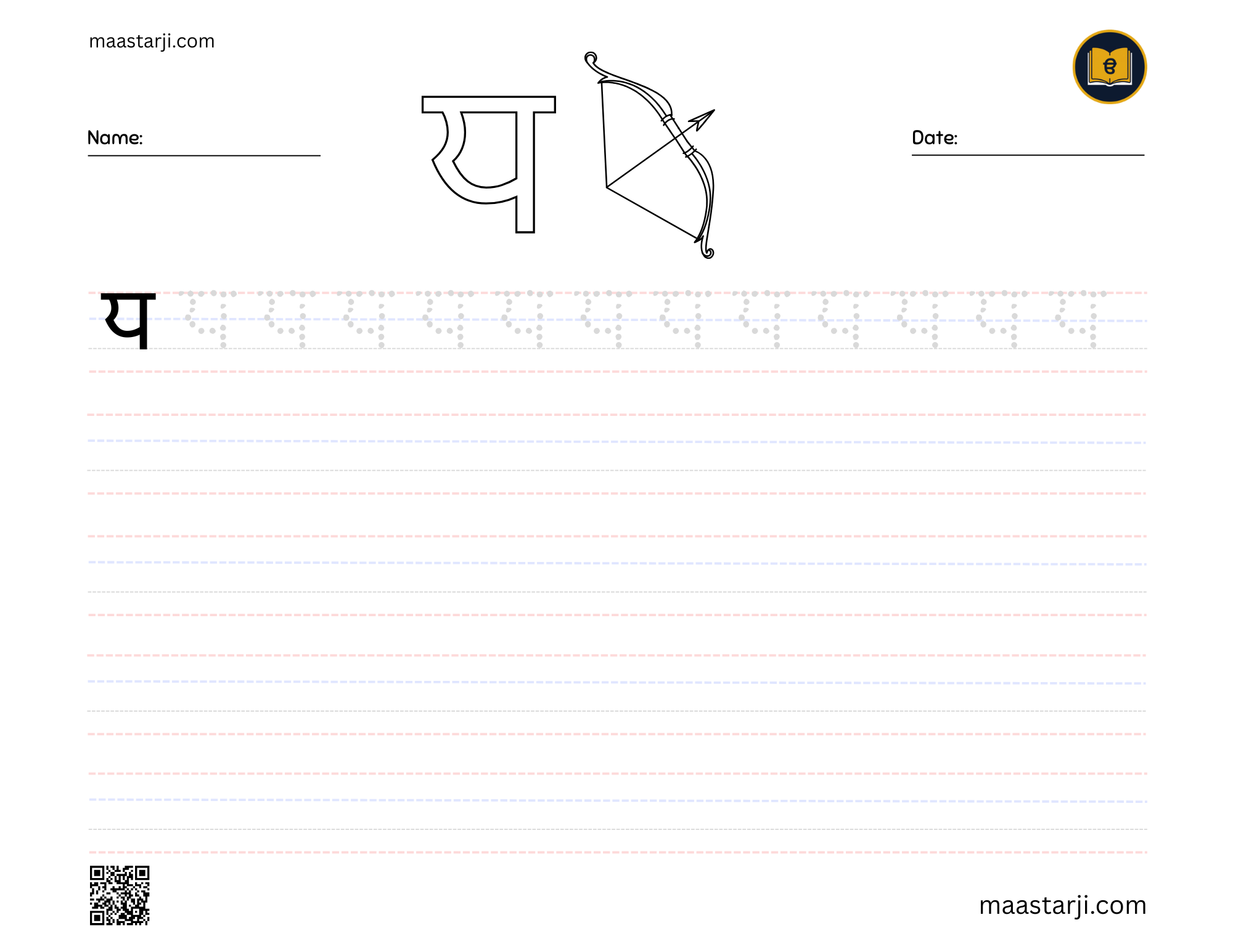
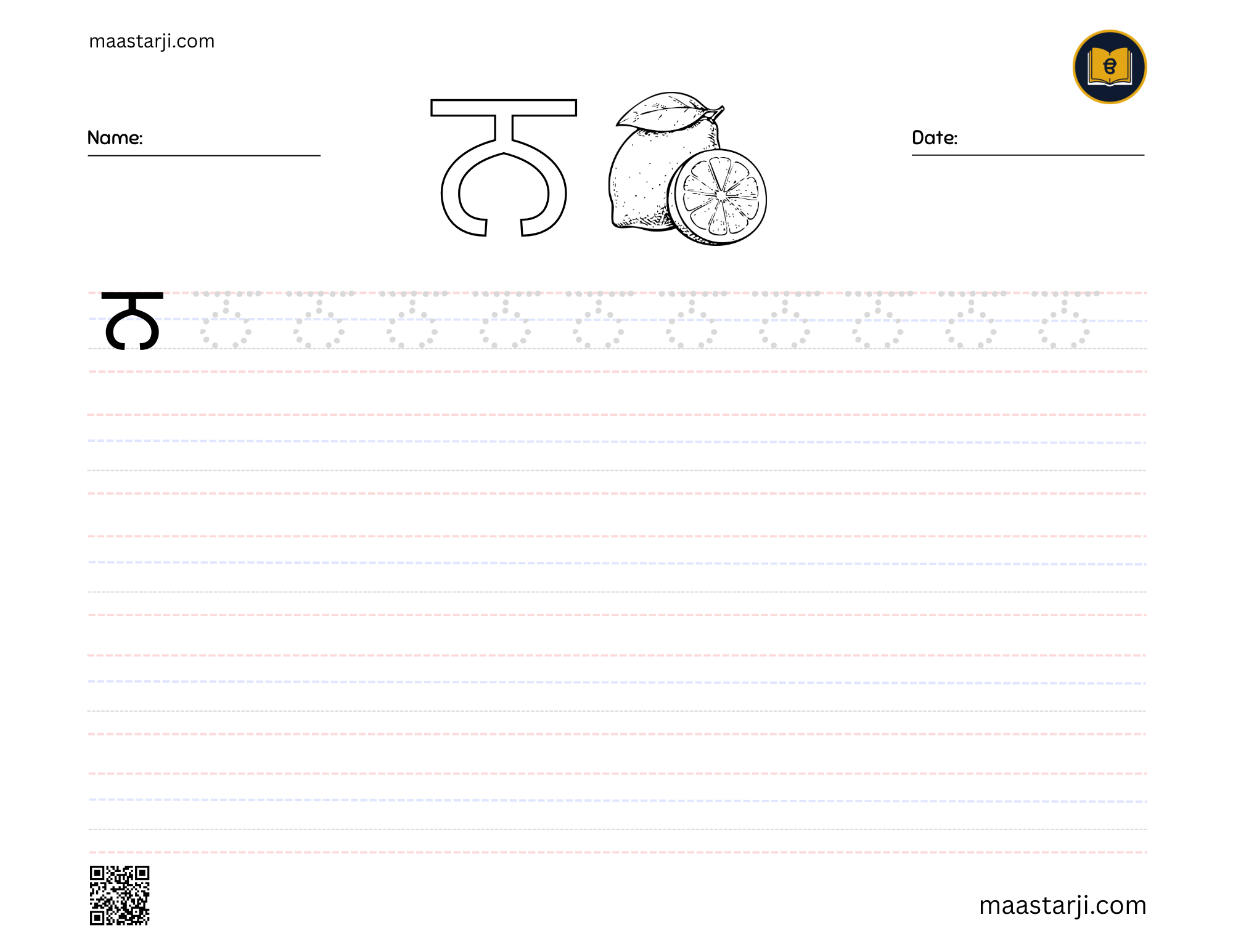
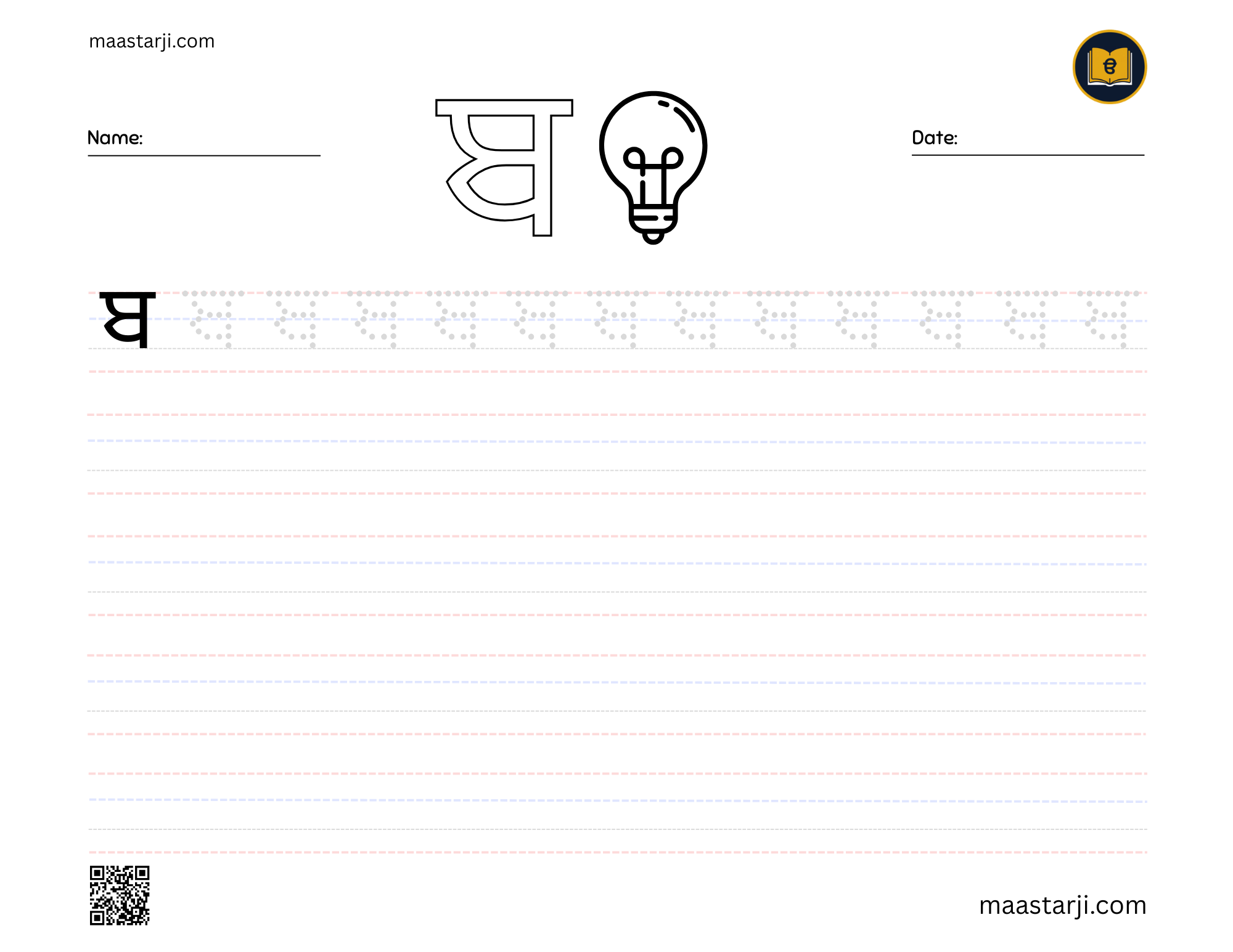
Line 6 ਪ ਫ ਬ ਭ ਮ
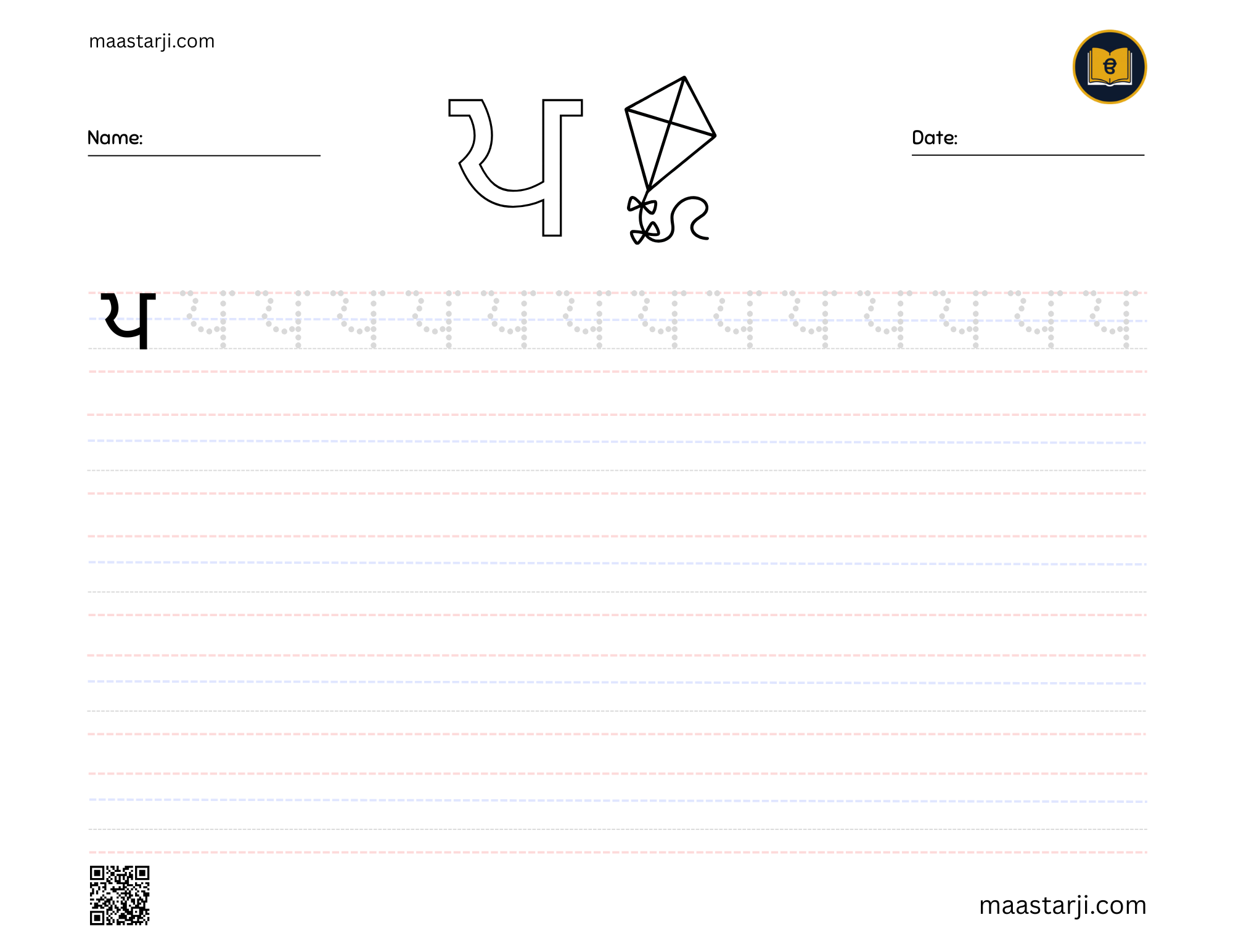
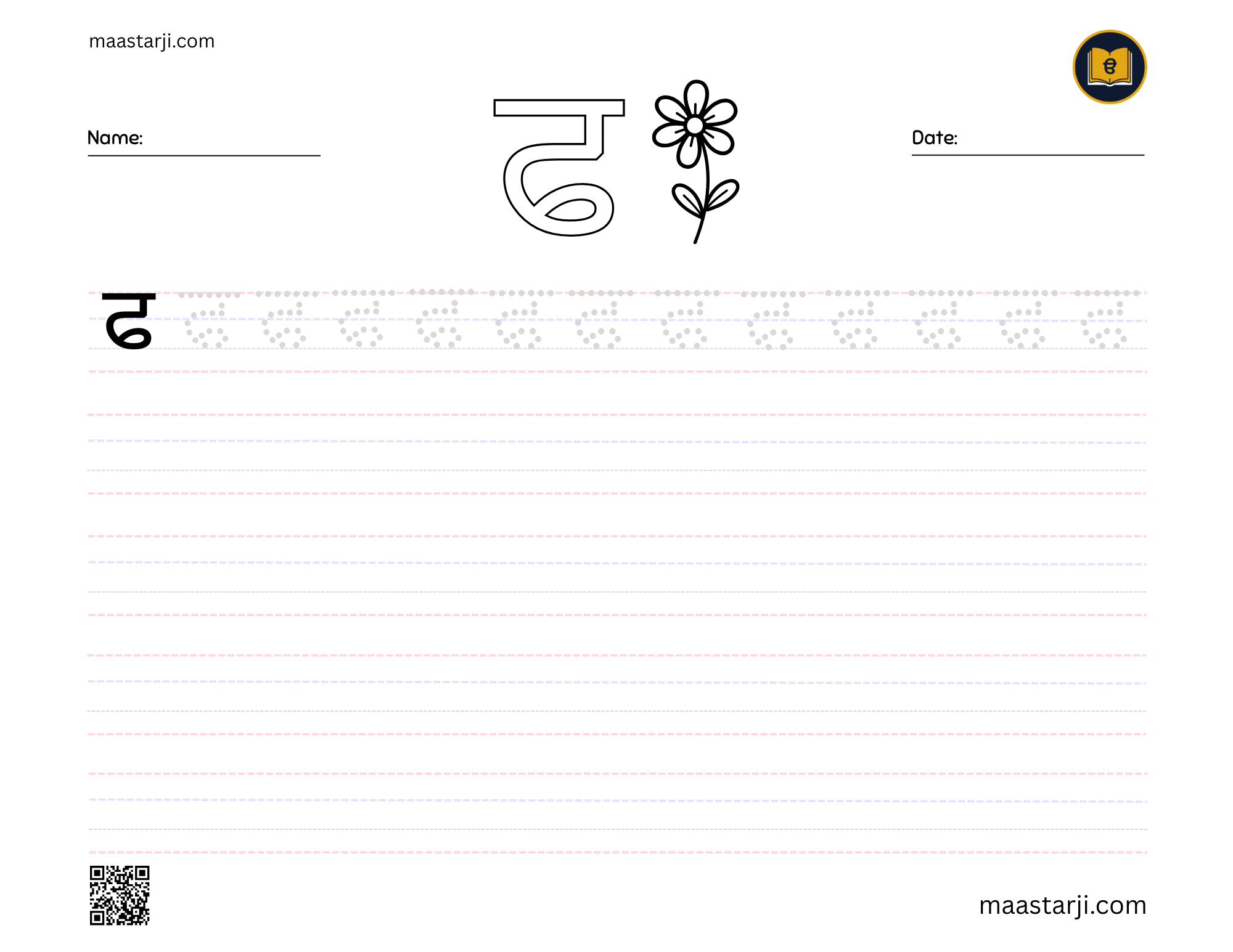
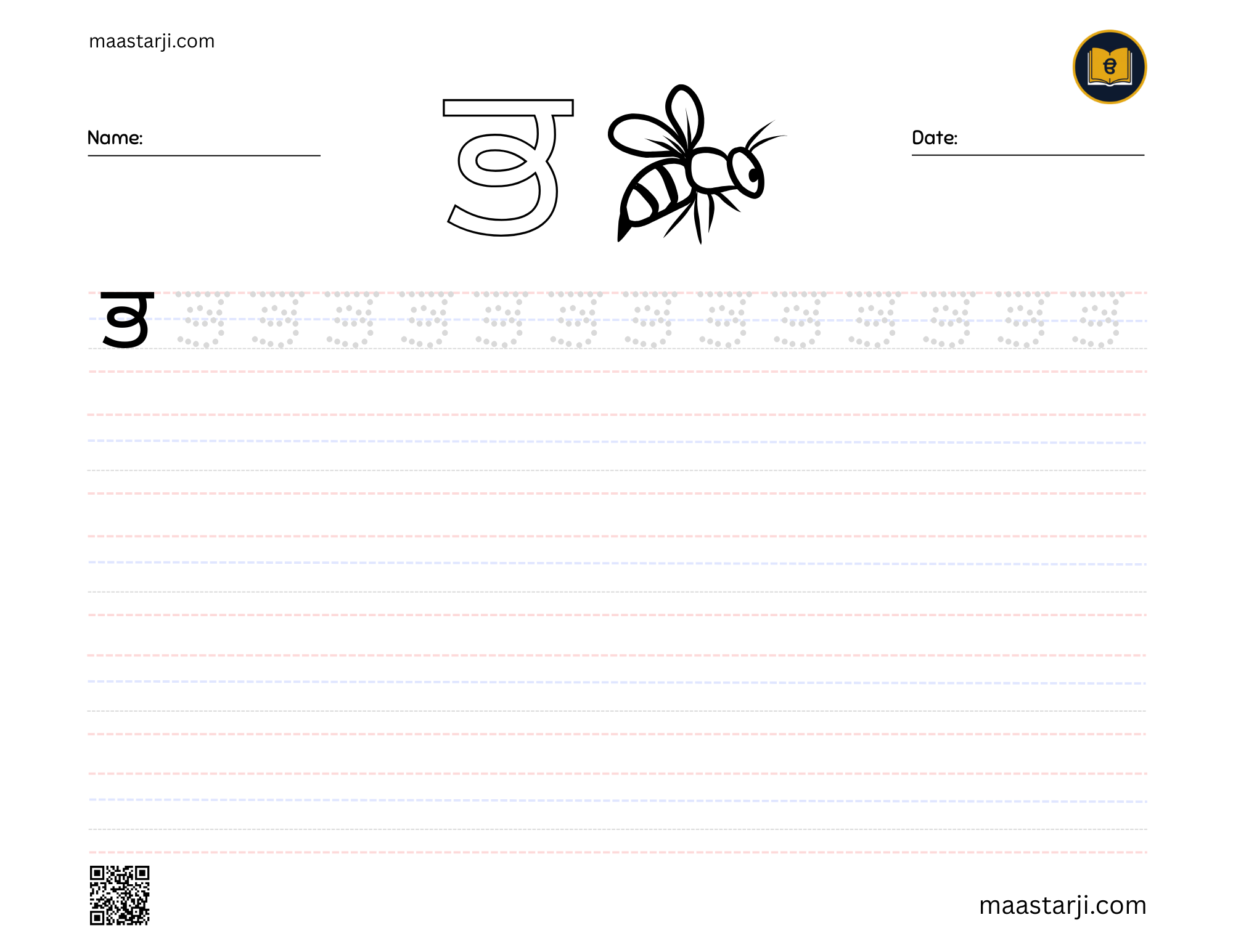
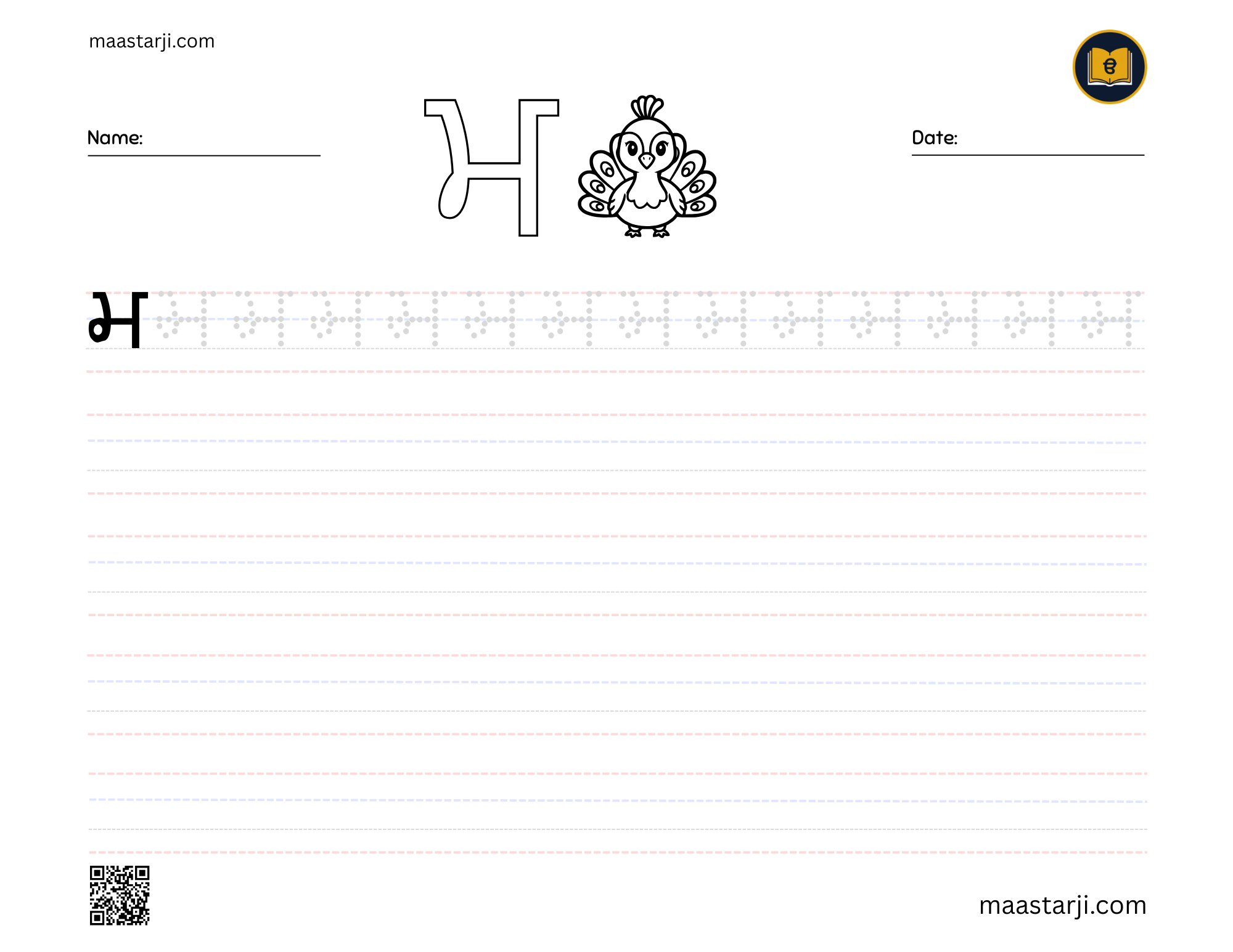
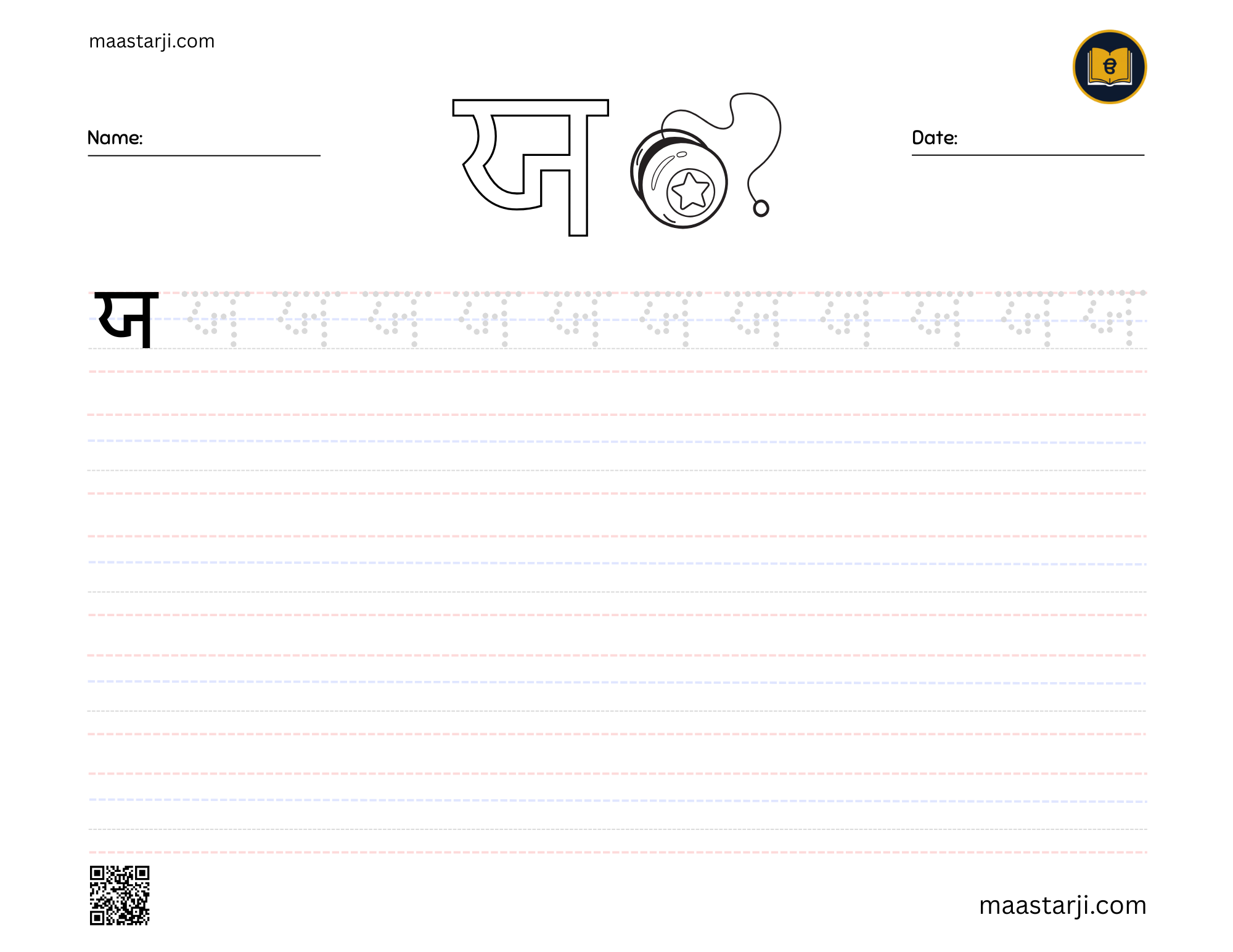
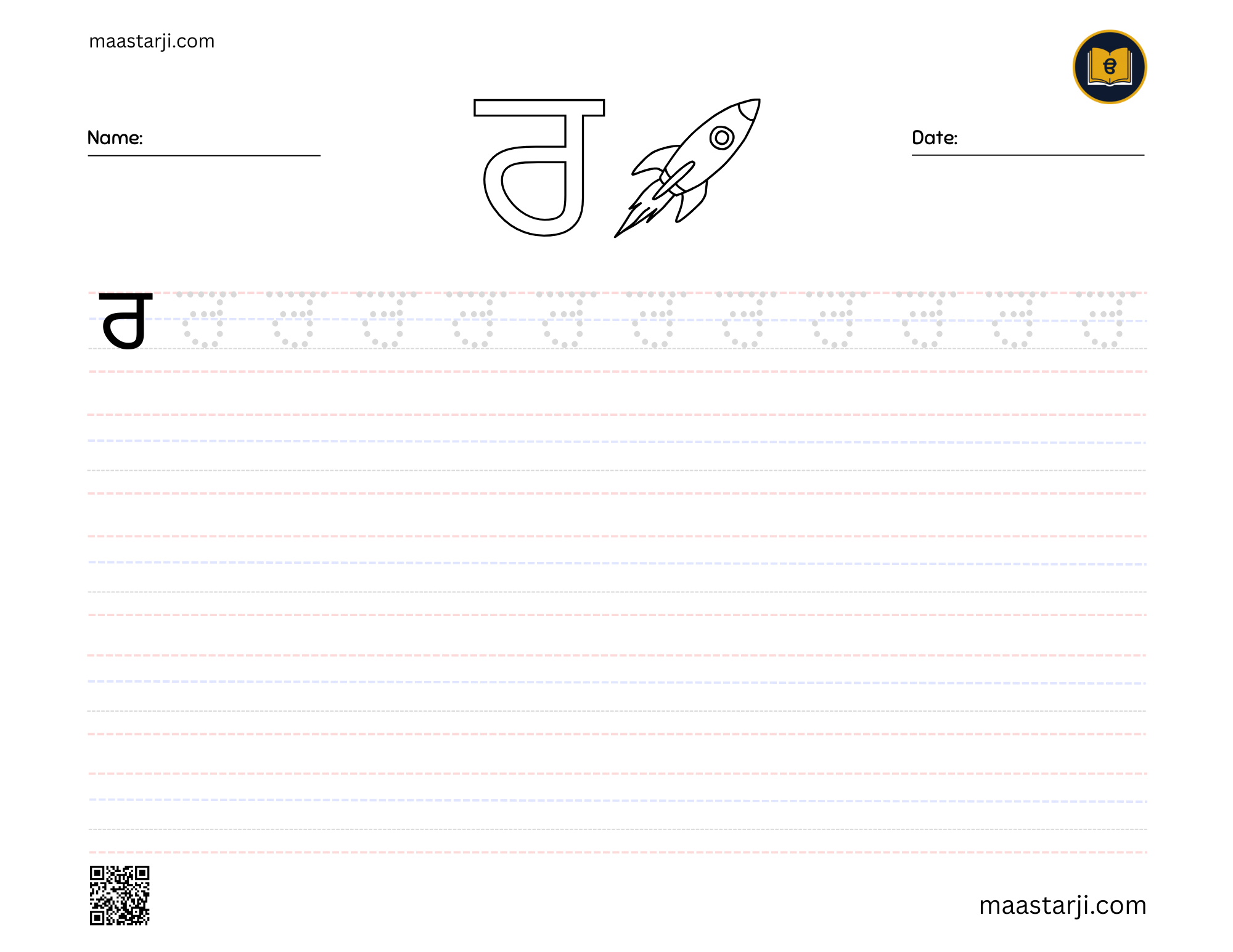
Line 7 ਯ ਰ ਲ ਵ ੜ
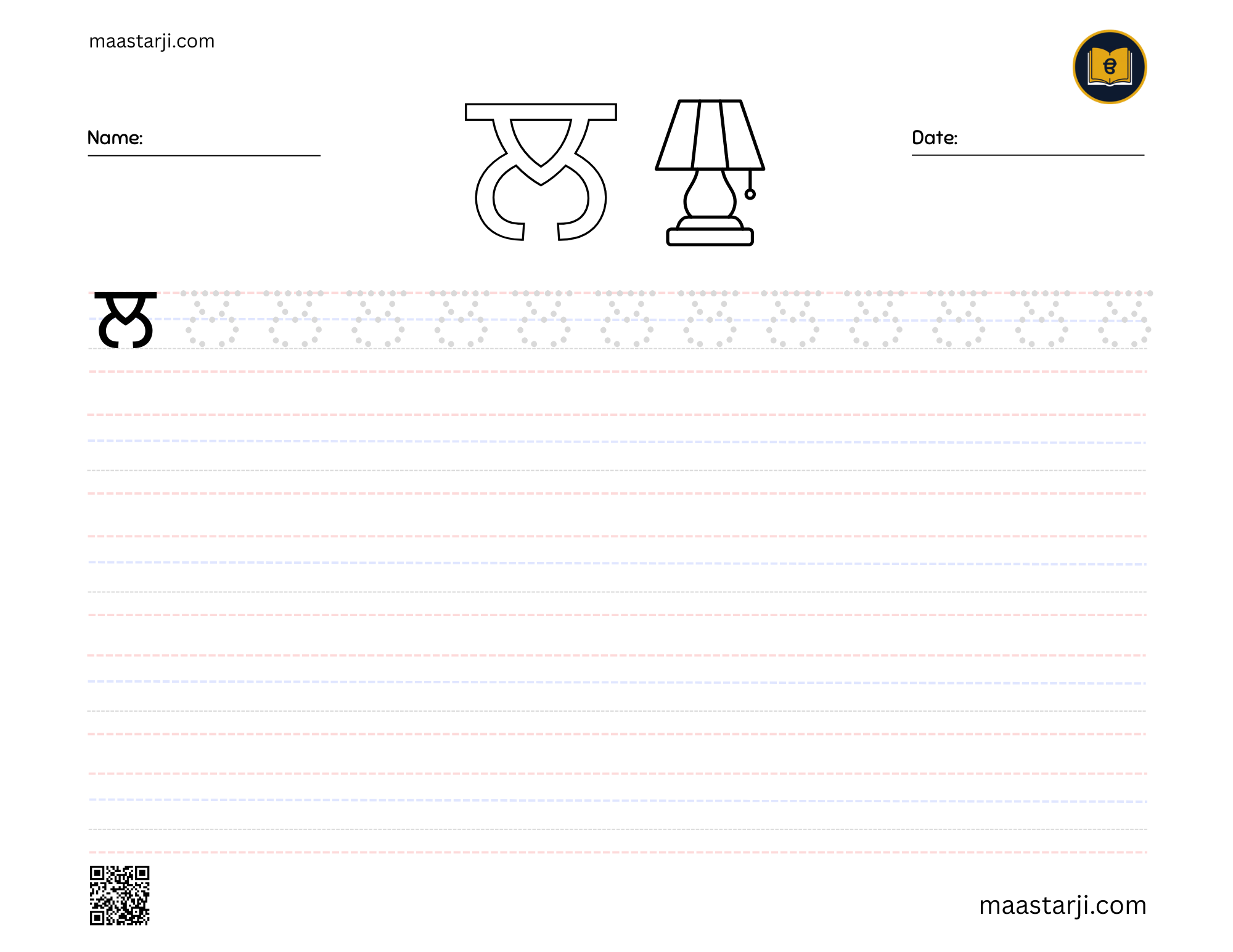
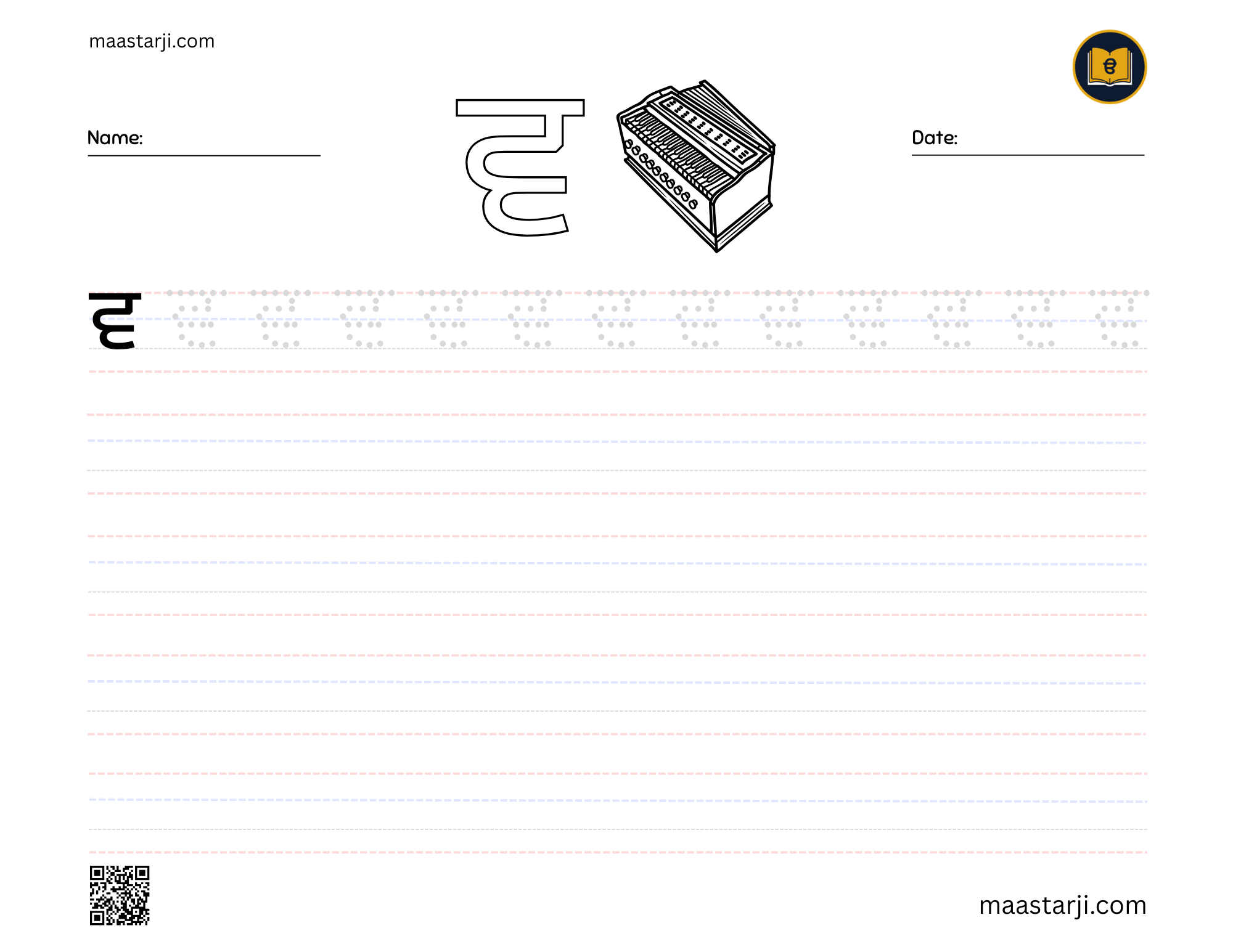
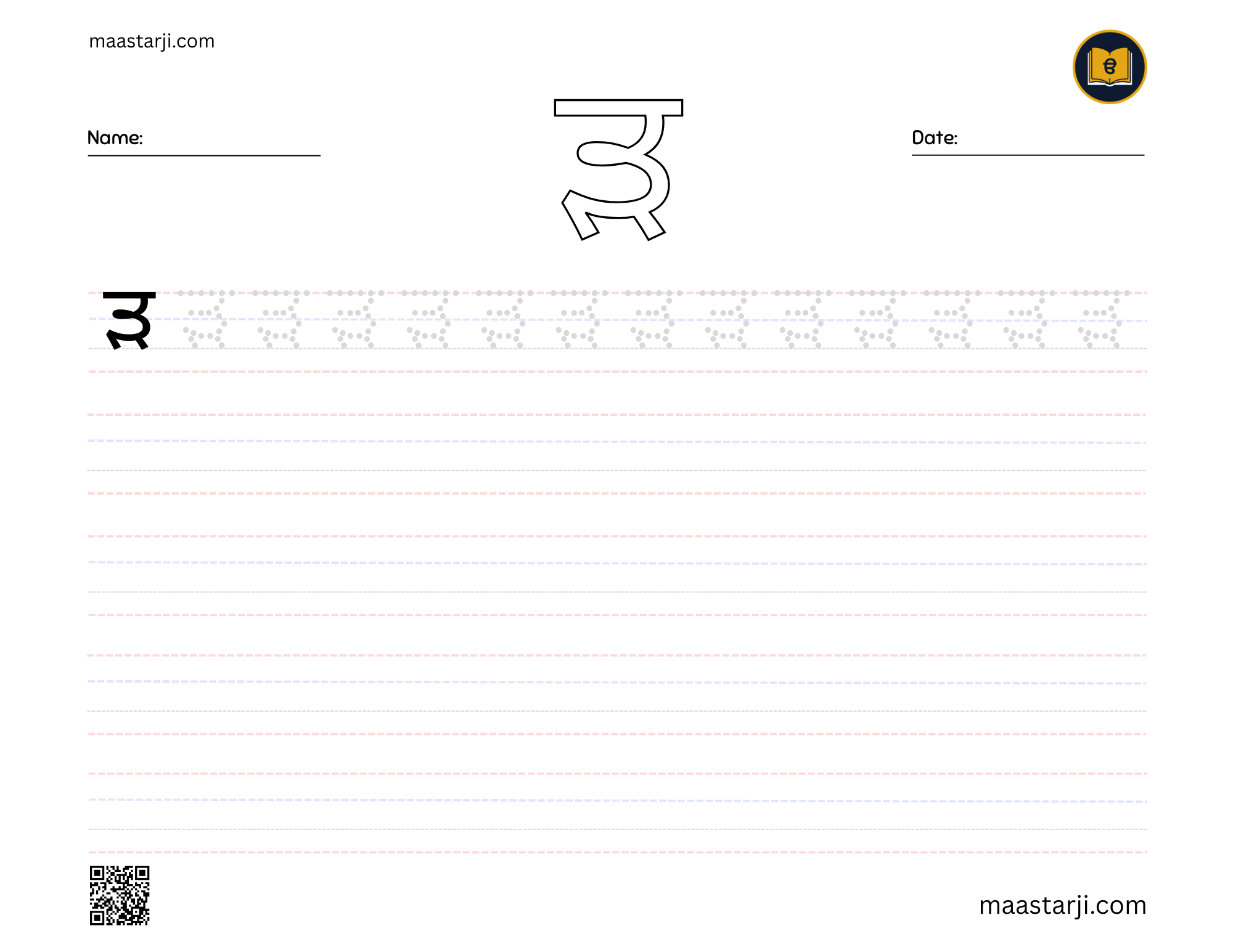
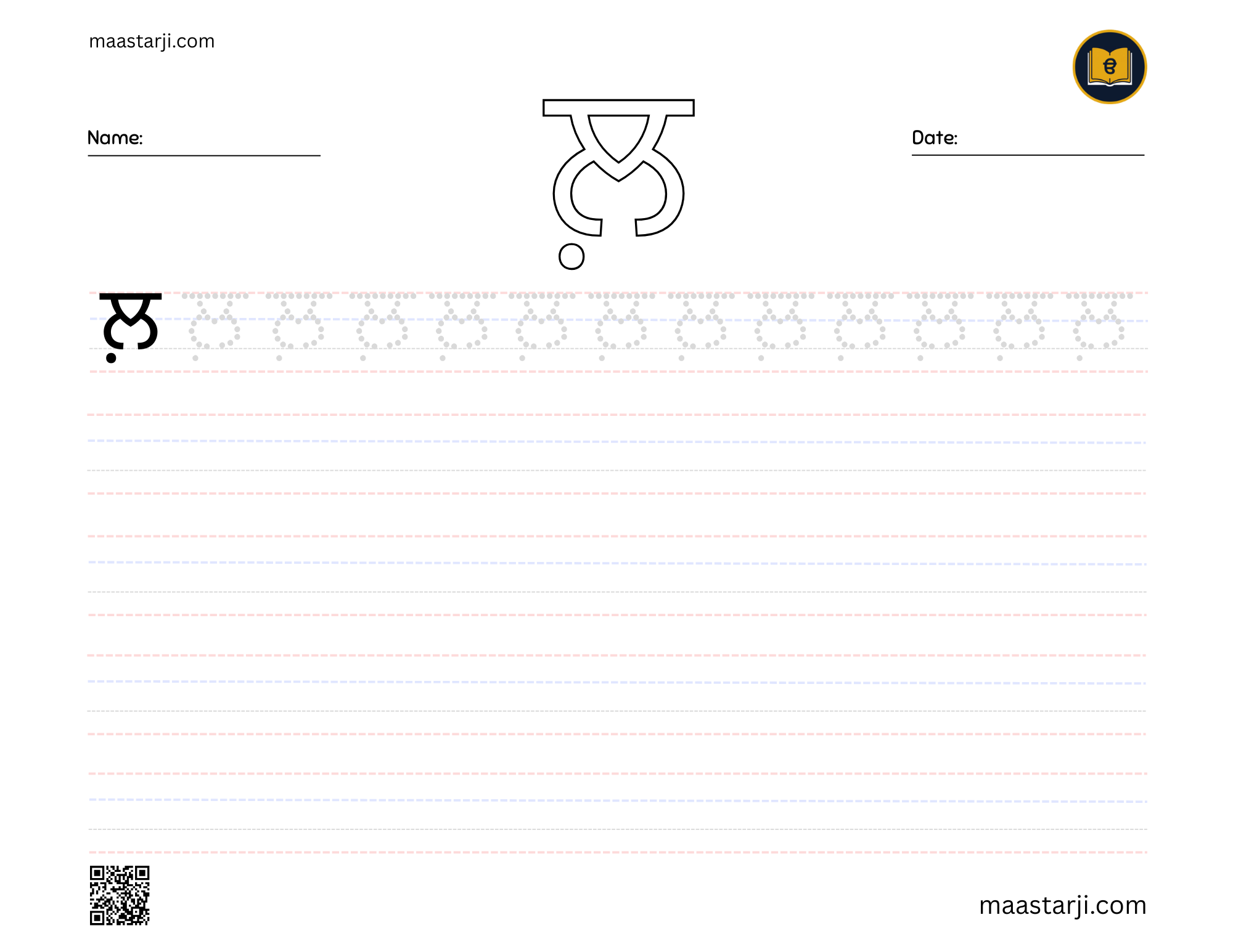
Pair Bindi Letters ਸ਼ ਖ਼ ਗ਼ ਜ਼ ਫ਼ ਲ਼
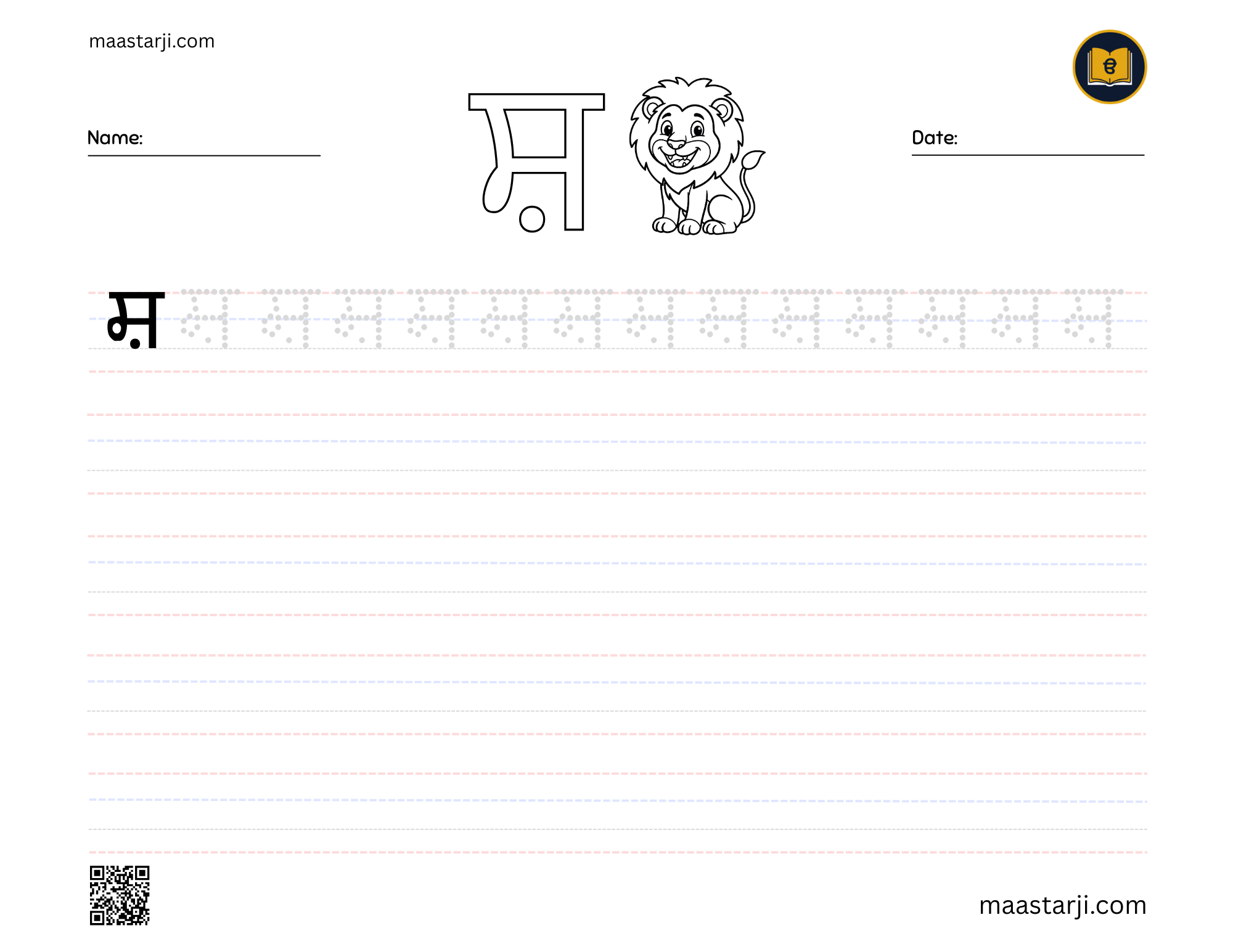
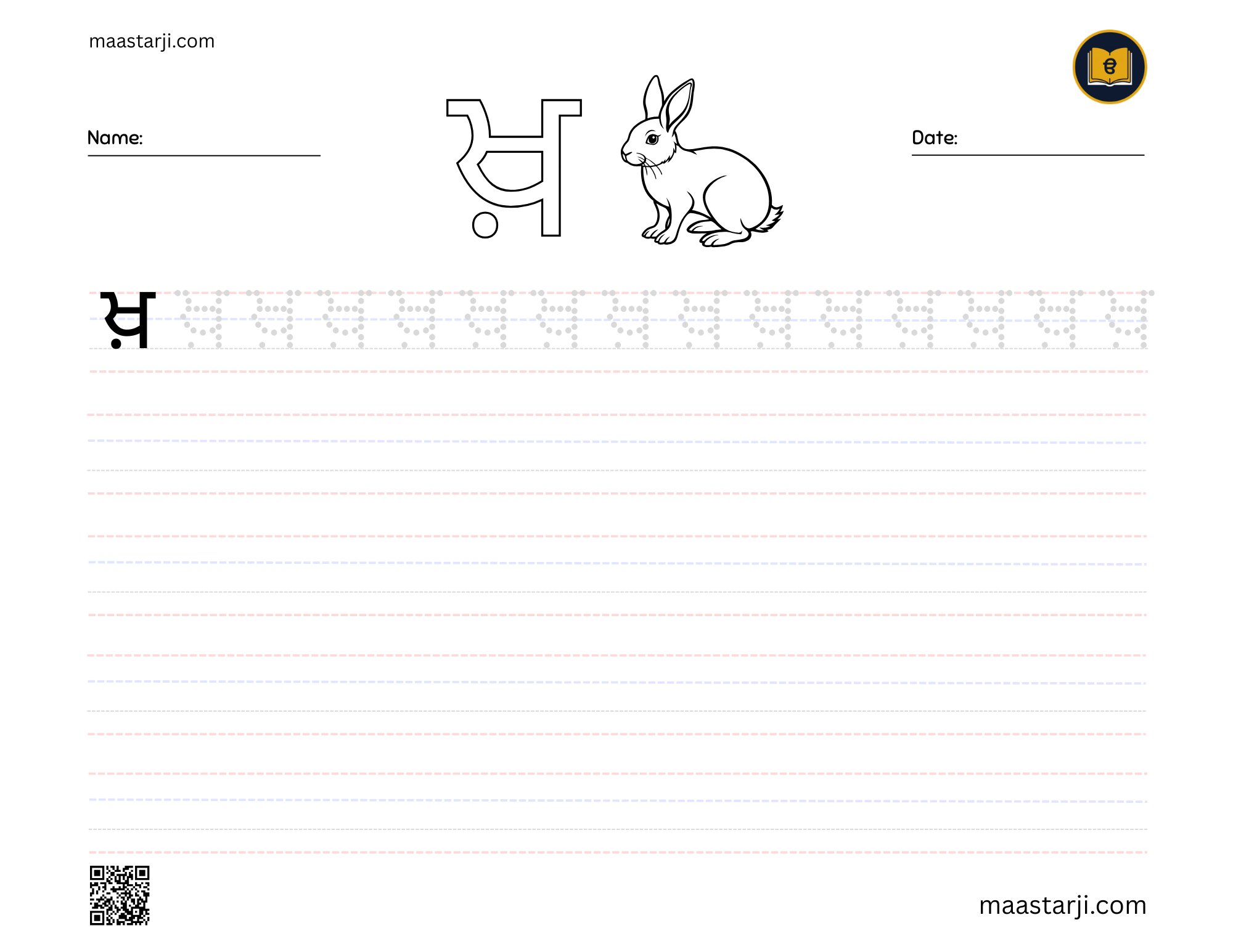
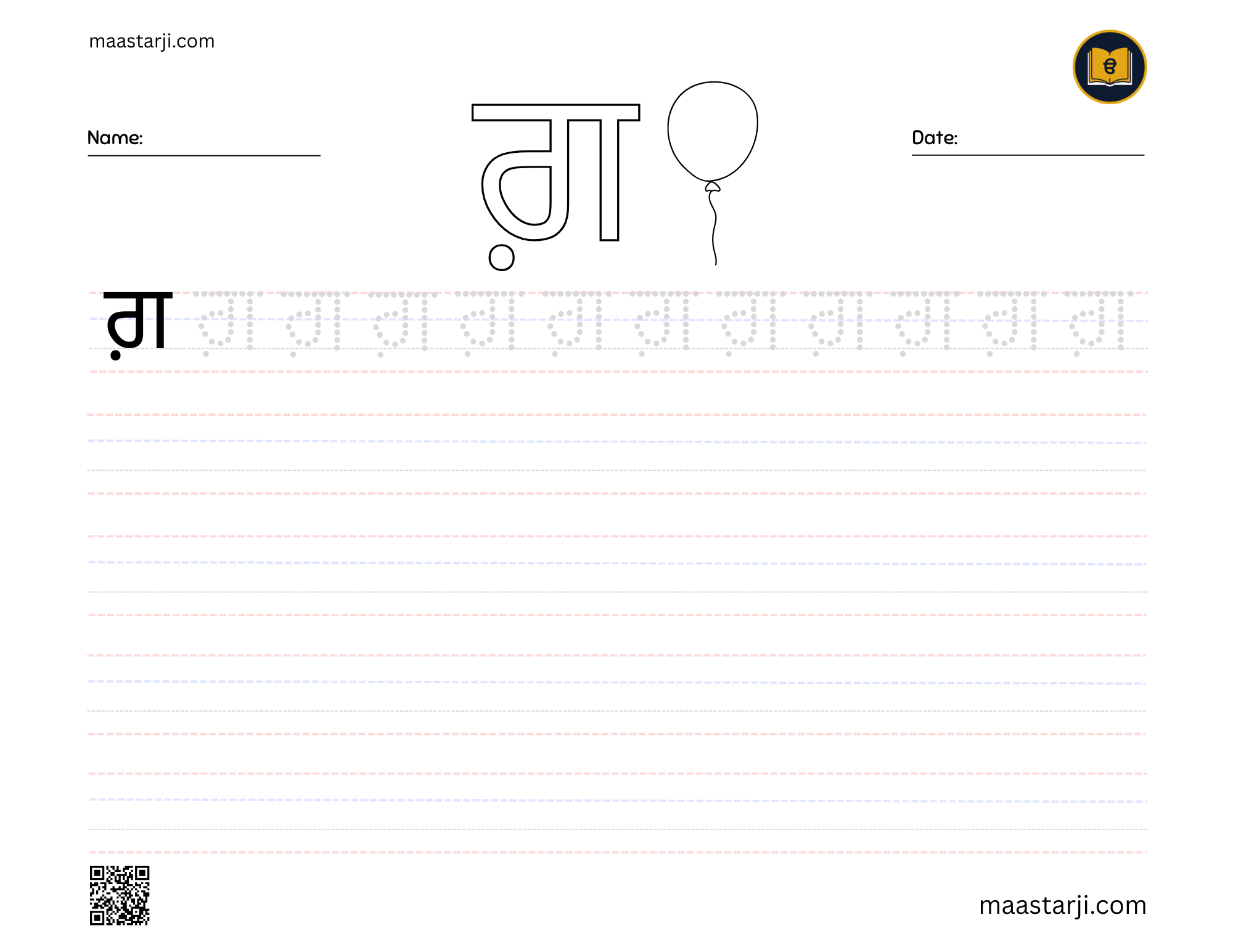
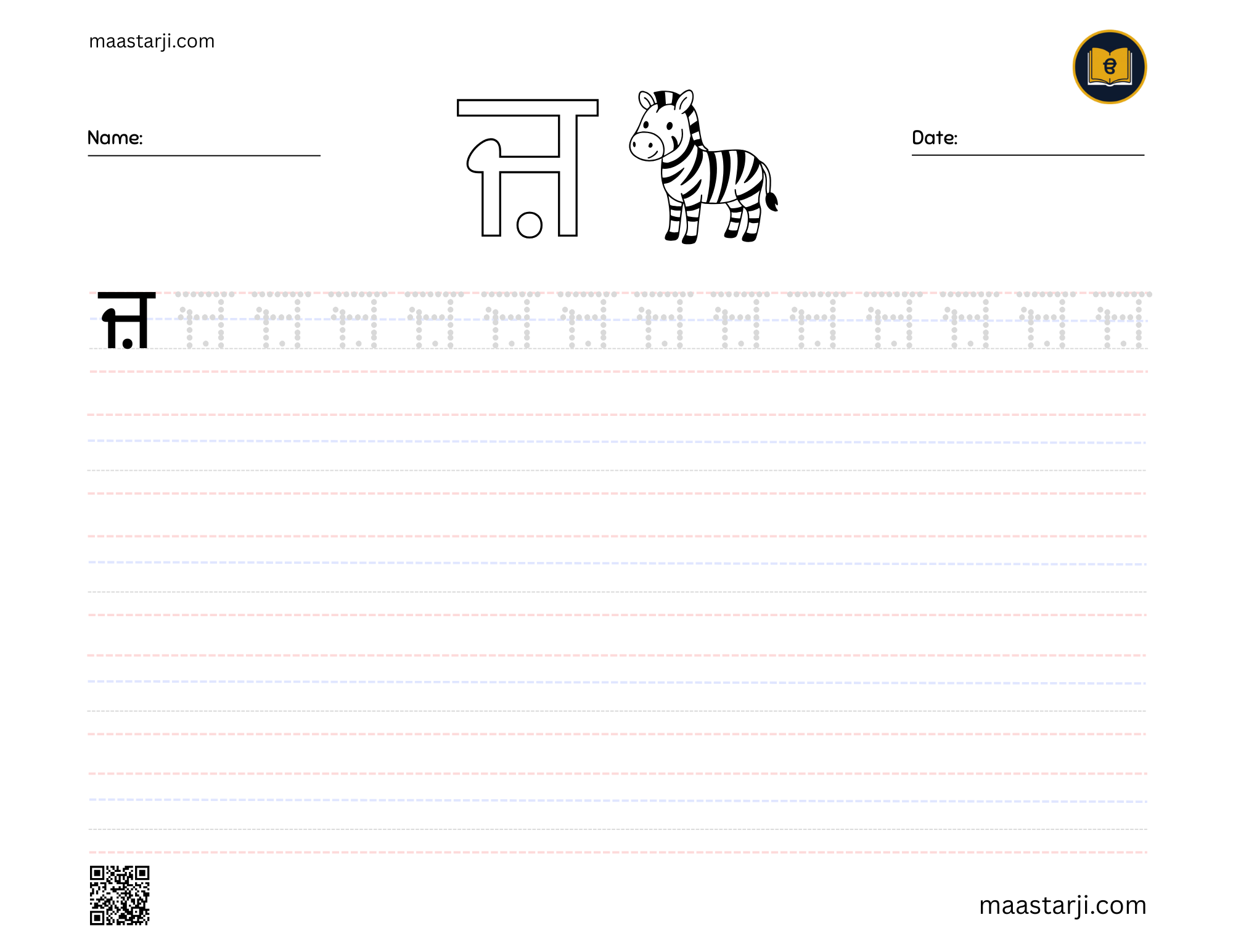
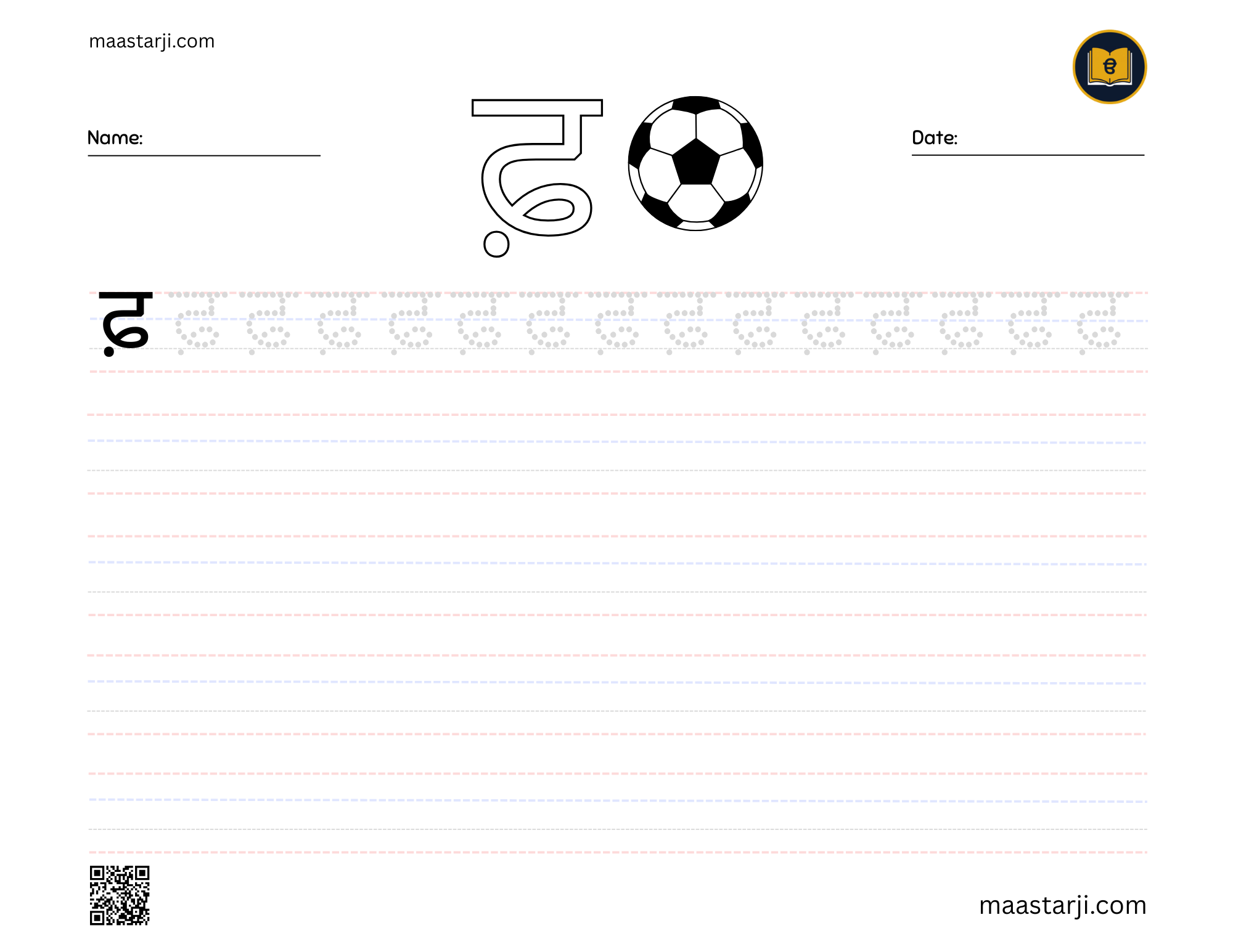
Want all 41 letters in one file? Download the complete PDF bundle.
Download Full PDF (41 pages)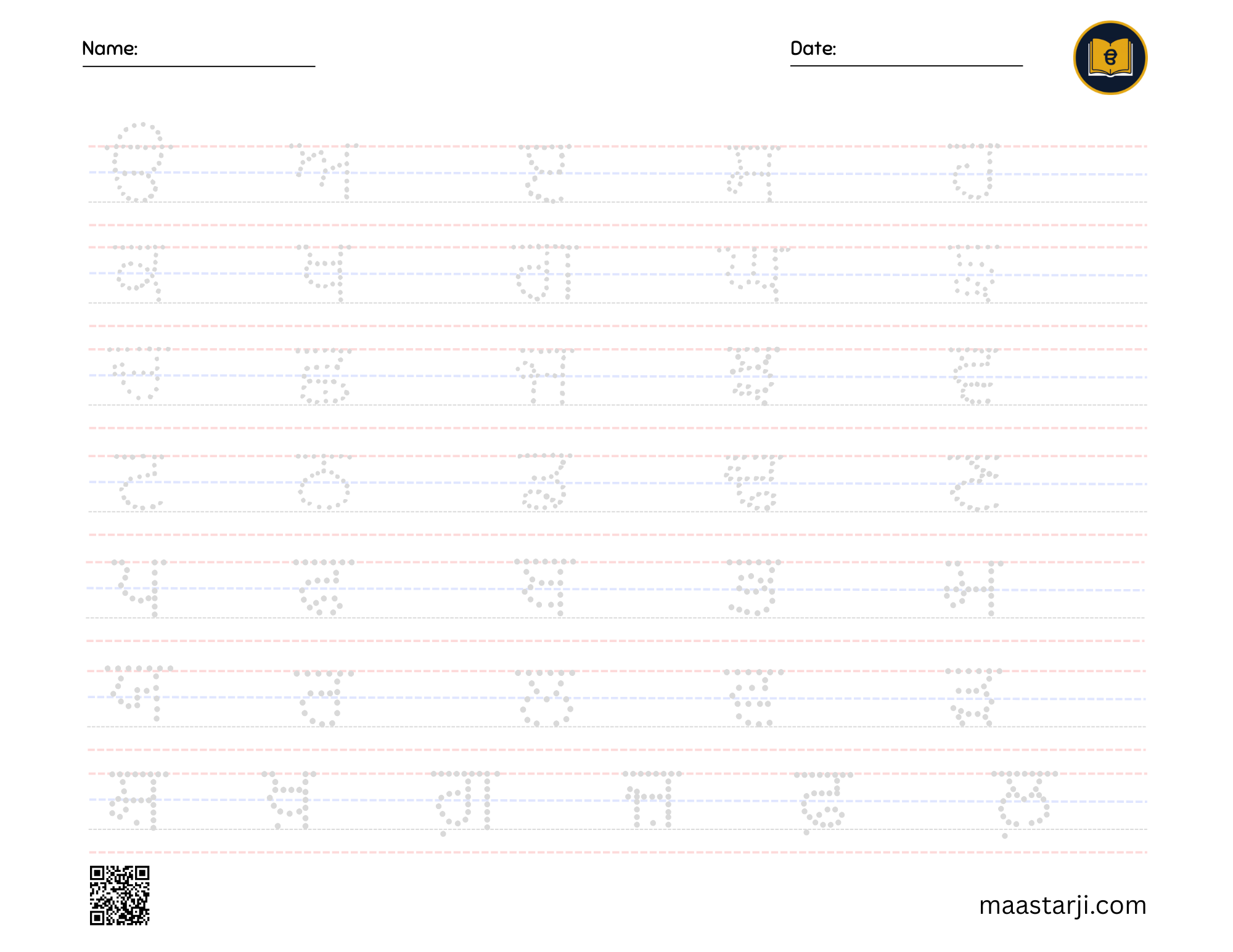
All-in-One Tracing Sheet
Once your child has practiced individual letters, this single sheet brings all 41 Gurmukhi alphabets together in one place. Print it out for a quick daily review or use it as a progress check to see how far they have come.
Download Single SheetHow to Use These Tracing Worksheets
1. Download and Print
Download individual letter sheets or the complete 41-page PDF. Print on standard US Letter (8.5" x 11") or A4 paper. Set margins to "None" for the best fit.
2. Study the Reference Letter
Each sheet features a large, solid reference letter at the top. Have your child look at the shape carefully before they begin tracing — notice the curves, the headline, and where the strokes connect.
3. Trace the Dotted Letters
Use a pencil to follow the dotted outlines row by row. Start with slow, careful strokes. For younger children (ages 3-5), focus on just one or two letters per session to keep it fun and manageable.
4. Write on Your Own
Once your child is comfortable tracing, encourage them to write the letter without guides. Laminate the sheets and use dry-erase markers for unlimited reuse.
Why Handwriting Practice Matters for Children
Research consistently shows that learning to write by hand plays a critical role in early childhood development. When children physically form letters with a pencil, they engage fine motor skills, hand-eye coordination, and visual memory in ways that typing or tapping on a screen simply cannot replicate.
Studies from Indiana University and Johns Hopkins have found that children who practice handwriting show stronger letter recognition, improved reading ability, and better retention of new information compared to those who only learn letters through digital means. The act of writing activates regions of the brain associated with thinking, language, and working memory.
For Gurmukhi, handwriting practice carries additional significance. The Gurmukhi script has unique characteristics — the headline (shirorekha) that connects letters across the top, the curved strokes, and the three horizontal zones where vowel signs sit above, beside, or below the main letter. These features require careful attention to form that only comes through deliberate, repeated writing practice.
Beyond cognitive benefits, practicing Gurmukhi handwriting is an act of heritage preservation. For Sikh families living in the diaspora, helping children write in Gurmukhi connects them to Gurbani, to their grandparents' language, and to a script that Guru Angad Dev Ji refined specifically for the Sikh community. Every letter traced is a small step toward keeping that connection alive.
What Makes These Tracing Sheets Different
Hand-Crafted Letterforms
No Gurmukhi tracing font exists that produces clean, accurate dotted letters. Every sheet was designed by hand to ensure proper letter proportions, stroke placement, and shirorekha alignment.
No Ads, No Tracking
Many free worksheet sites are loaded with pop-ups, ad overlays, and email gates. Here, you get clean pages — no distractions, no data collection, safe for children to use with a parent nearby.
All 41 Gurmukhi Letters
The complete set covers all 35 base letters plus the 6 pair bindi letters (ਸ਼ ਖ਼ ਗ਼ ਜ਼ ਫ਼ ਲ਼) — newer additions to the Gurmukhi script that many other worksheets leave out entirely.
Free Forever
No paywall, no sign-up required, no "premium version." Download the individual sheets or the full 41-page PDF as many times as you need — share them with friends, family, and your local Gurdwara Sahib classes.
Why We Built These Worksheets
As a parent raising kids in the diaspora, I wanted to teach my children how to write Gurmukhi at home. Simple enough, right? I searched for "Gurmukhi alphabet tracing worksheets" and hit the same wall many parents hit — the results were either paid workbooks on Amazon, overpriced Etsy downloads, or free sites so cluttered with ads that I didn't trust them enough to let my kids use the page.
The few free options I found were low quality — blurry letterforms, inconsistent sizing, missing pair bindi letters, or generated from fonts that weren't designed for tracing. Gurmukhi has its own beauty and structure, and it deserves worksheets that reflect that.
So I decided to build them. Each of the 41 tracing sheets was hand-crafted to get the letter proportions, the dotted lines, and the shirorekha just right. It took time, but the result is something I'm proud to hand to my own children — and now to yours.
Maastarji is a labour of love built by parents and teachers for Sikh families. If these worksheets help even one child fall in love with writing Gurmukhi, it was worth every hour.
Frequently asked questions
- How many letters are in the Gurmukhi alphabet?
The Gurmukhi alphabet has 35 base letters organized in seven lines of five, plus 6 pair bindi (ਪੈਰ ਬਿੰਦੀ) letters — totalling 41 characters. The pair bindi letters (ਸ਼, ਖ਼, ਗ਼, ਜ਼, ਫ਼, ਲ਼) were added to represent sounds borrowed from other languages and are an important part of modern Punjabi.
- Are these Gurmukhi tracing worksheets really free?
Yes — completely free with no sign-up, no ads, and no tracking. You can download individual letter sheets as PNG images or get all 41 pages in a single PDF. Share them freely with family, friends, or your Gurdwara Sahib classes.
- What age are these Gurmukhi tracing sheets suitable for?
These worksheets are designed for children ages 3 to 8, though older beginners can use them too. For younger children (ages 3-5), we recommend starting with one or two letters per session using a thick pencil. Older children can work through a full line of five letters at a time.
- What are pair bindi letters in Gurmukhi?
Pair bindi letters are created by adding a dot (bindi) beneath certain base Gurmukhi letters to represent sounds from Persian, Arabic, and English that did not exist in the original script. The six pair bindi letters are: ਸ਼ (Shashsha), ਖ਼ (Khakha), ਗ਼ (Ghagha), ਜ਼ (Zazza), ਫ਼ (Faphha), and ਲ਼ (Lalla). They are considered essential in modern Punjabi.
- How do I print these Gurmukhi alphabet practice sheets?
Click any letter card to open the full-size PNG image, then print it directly from your browser. For the best results, use US Letter (8.5" x 11") or A4 paper and set your printer margins to "None" or "Minimum." You can also download the complete 41-page PDF and print it in one go. For reusable practice, laminate the sheets and use dry-erase markers.
- What is the difference between Punjabi and Gurmukhi?
Punjabi is the language spoken by millions of people across Punjab and the global diaspora. Gurmukhi is the script — the writing system — used to write Punjabi. It was standardized by Guru Angad Dev Ji, the second Sikh Guru, and is the script in which Sri Guru Granth Sahib Ji is written. Learning to read and write Gurmukhi is the first step to reading Gurbani independently.